
AI
Report pushes legal rootkits as entertainment industry’s new
A federal commission proposes legalizing malware to punish piracy, sparking debate over tech, law, and the line between entertainment and communication.
3 min read

A federal commission proposes legalizing malware to punish piracy, sparking debate over tech, law, and the line between entertainment and communication.

Instacart buys Toronto startup Unata for $65M, adding coupon tracking and voice‑shopping tools as it battles Amazon and expands into Canada.
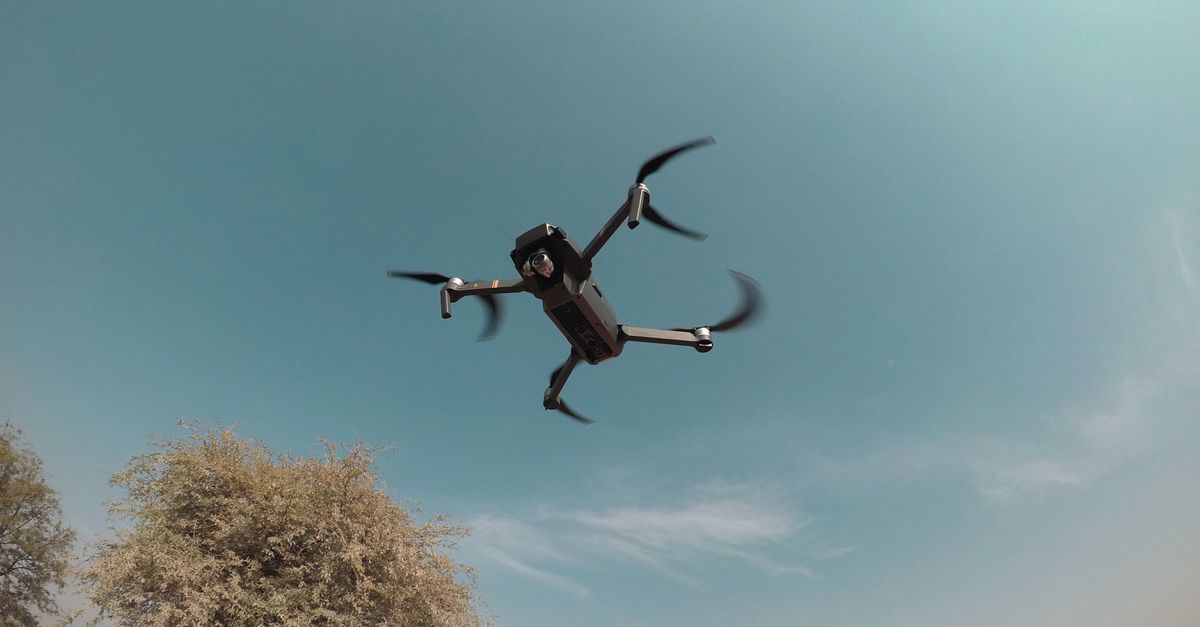
The US Army used a high‑energy laser to shoot down drones near the Mexico border, sparking debate over militarized border tech.

NVIDIA's DLSS 5 arrives on Sep 3 with NBA 2K27, but early analysis questions its impact on performance and adoption.

Chrome’s Android redesign, the final removal of Manifest V2 extensions, and an emergency zero‑day patch signal a decisive shift for users and developers alike.
Google raises prices on Nest hardware, revamps App Engine billing, and faces backlash over a misreported .dev domain surge.

Google promises seven years of OS and security updates for Pixel 8, while Samsung now offers four years of security patches, reshaping the Android update race.

Google makes AI Overviews larger, releases the cozy Froggy’s World game, and opens Dreambeans to free US testers, signaling a broader consumer push.
Zig's latest devlog announces pointer stability for ArrayLists, a move that sharpens its low‑level safety edge over C and Rust.

Haiku OS ships R1/beta6 with updated ISO images, upgrade path from beta5, and continued work on its BeOS‑inspired desktop.
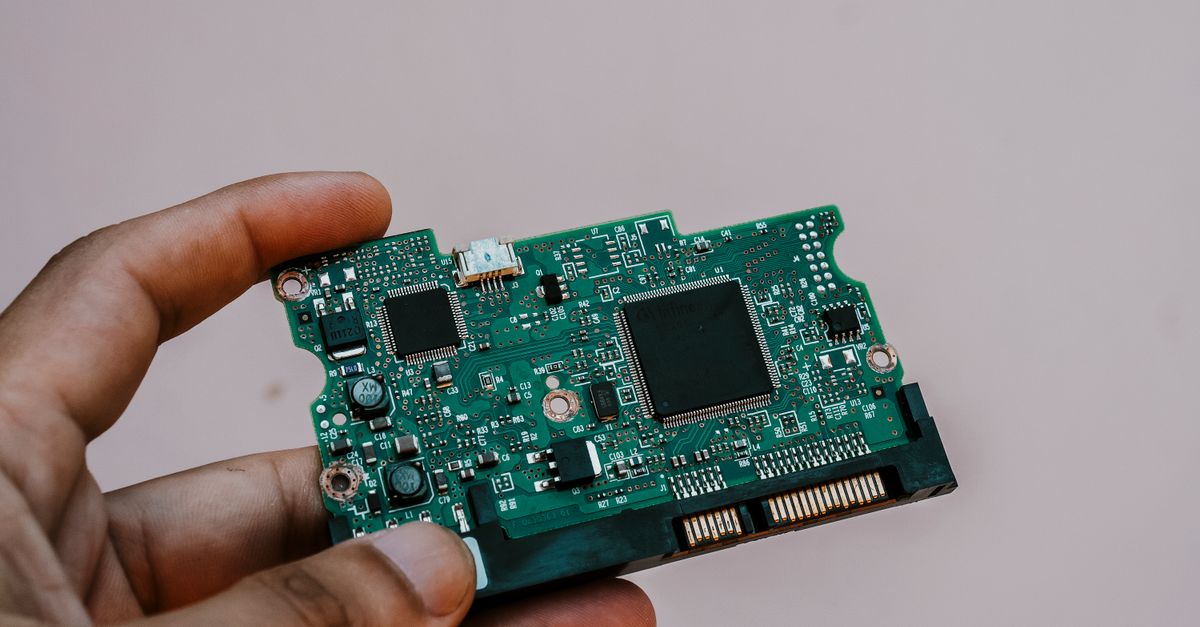
New open-source projects deliver a Linux HDMI driver for the SM750 GPU, a driverless print server for legacy printers, an SDR Wi‑Fi chip design, and a privacy‑focused AI platform.
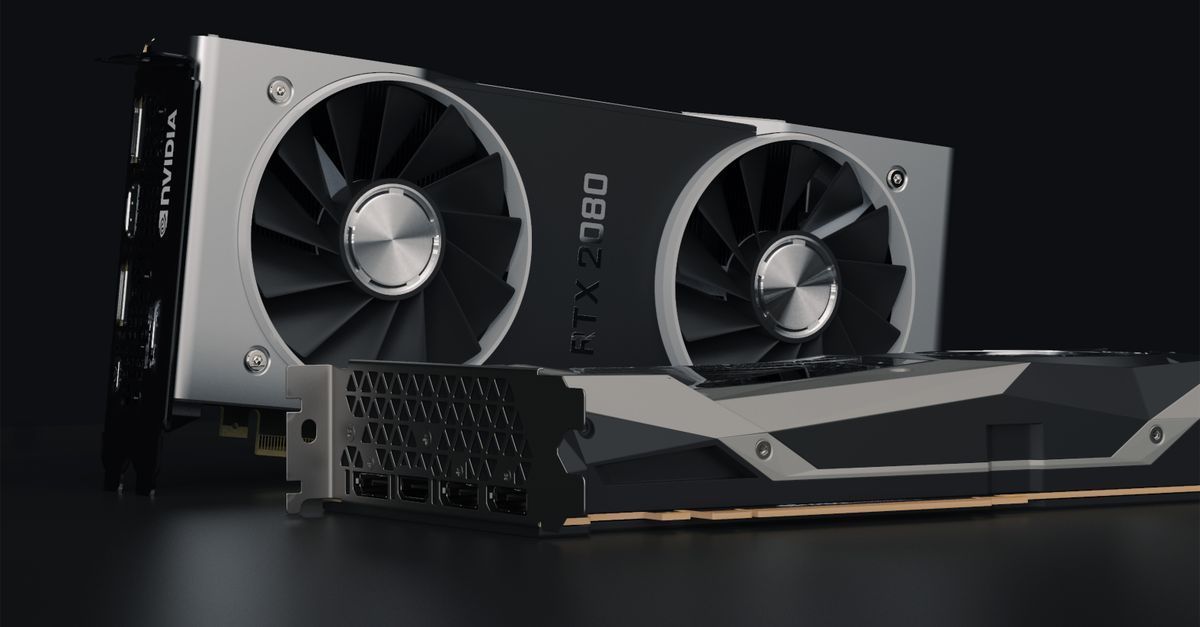
NVIDIA launches four specialized inference platforms featuring the L4 and H100 NVL GPUs, aiming to speed generative AI workloads across cloud and enterprise.