

AI's Double-Edged Sword: The Hidden Wave of Job Displacement

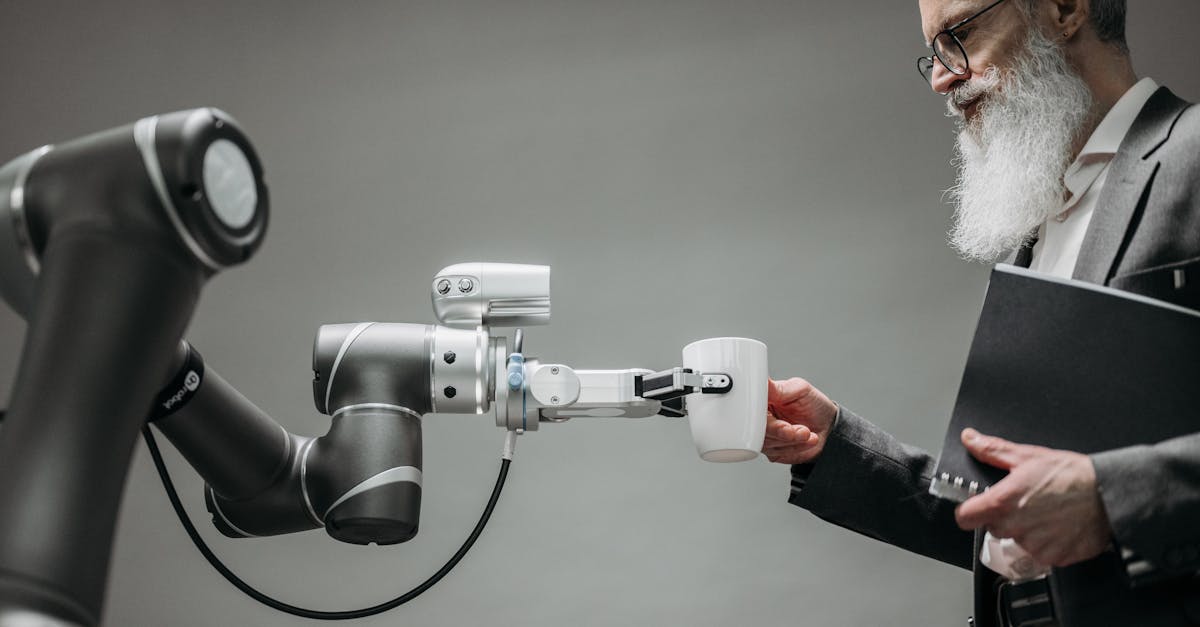
Photo by Pavel Danilyuk on Pexels
The tech industry finds itself navigating a complex employment landscape, where the narrative around artificial intelligence’s impact on jobs remains sharply divided. On one hand, data suggests broad economic forces are at play; on the other, specific corporate decisions directly attribute job cuts to AI’s transformative potential.
Recent LinkedIn analysis indicates a significant 20% downturn in hiring since 2022. However, the professional networking giant points the finger squarely at elevated interest rates and broader macroeconomic pressures, rather than the rise of artificial intelligence, for this widespread slowdown. This perspective suggests that while the tech sector, like many others, is tightening its belt, the primary culprit for a general decline in new hires isn’t algorithmic displacement but rather a cautious economic outlook.
Yet, this generalized view contrasts sharply with actions taken by individual companies. Snap, the parent company of Snapchat, recently announced a substantial restructuring, laying off approximately 1,000 employees – 16% of its workforce. In a company-wide memo, CEO Evan Spiegel explicitly linked these “incredibly difficult” decisions to the rapid advancements in AI. Spiegel articulated that AI tools enable teams to “reduce repetitive work, increase velocity, and better support our community, partners, and advertisers,” projecting over $500 million in savings by mid-2026 and a clearer path to profitability. This isn’t an isolated incident for Snap, which saw similar cuts in 2022 and 2023.
Snap’s rationale echoes a growing trend among tech giants. Companies like Amazon, Fiverr, Microsoft, and Pinterest have similarly cited AI-driven efficiency as a factor in their recent workforce reductions. While the overall job market may not be experiencing an AI-induced apocalypse, these targeted layoffs reveal a distinct corporate strategy: leveraging AI to streamline operations, cut costs, and boost productivity, often at the expense of human roles deemed “repetitive.”
The conflicting narratives present a critical juncture for the tech workforce. While external economic factors undoubtedly influence the rate of hiring, the internal calculus of many companies is increasingly factoring AI into personnel decisions. This suggests that while AI might not be the sole cause of a universal hiring decline, it is undeniably becoming a significant catalyst for strategic job displacement within organizations striving for lean, AI-optimized futures. The question then shifts from “Is AI to blame?” to “How will the workforce adapt to an industry actively restructuring around AI’s capabilities?”
Updates
- 2026-10-20 — AfD Leak: What 421,179 Hacked Emails Show about the German Far Right (source)
- 2026-09-14 — Volkswagen’s crazy-efficient EV borrows an idea from Slate (source)
- 2026-08-12 — Raycast adds a new way to ask AI about whatever is on your screen (source)
- 2026-08-02 — Is paying artists enough to convince them to embrace AI? (source)
- 2026-07-29 — Are remote car starters still worth it in 2026? (source)
- 2026-06-06 — The intracies of modern camera lens repair (2024) (source)
- 2026-04-28 — Google Home makes it easier to understand why devices aren’t working (source)
- 2026-04-25 — ‘Saros’ Shows Off the PS5’s DualSense Tricks (source)
- 2026-04-24 — Well, this is embarrassing: The Lunar Gateway’s primary modules are corroded (source)
- 2026-04-21 — AI backlash is coming for elections (source)
- 2026-04-19 — Marathon battery life makes Keychron’s Ultra 8K keyboards its best yet (source)
Related Articles

Tech giants slash jobs as AI and cost pressures mount
Volkswagen, Meta, and fraud‑prevention startup NS8 announce deep cuts, exposing AI‑driven efficiency drives and governance turmoil.

Dropbox Founder Drew Houston Steps Down as CEO
Dropbox announced its founder will leave the chief executive role, sparking debate on the company's direction amid AI‑driven shifts in cloud services.
Cloudflare Cuts 1,100 Jobs on AI Efficiency
Cloudflare lays off 1,100 employees citing AI efficiency gains. The company reported a record high revenue.