

The New Space Race: Amazon Buys Globalstar to Connect Your iPhone

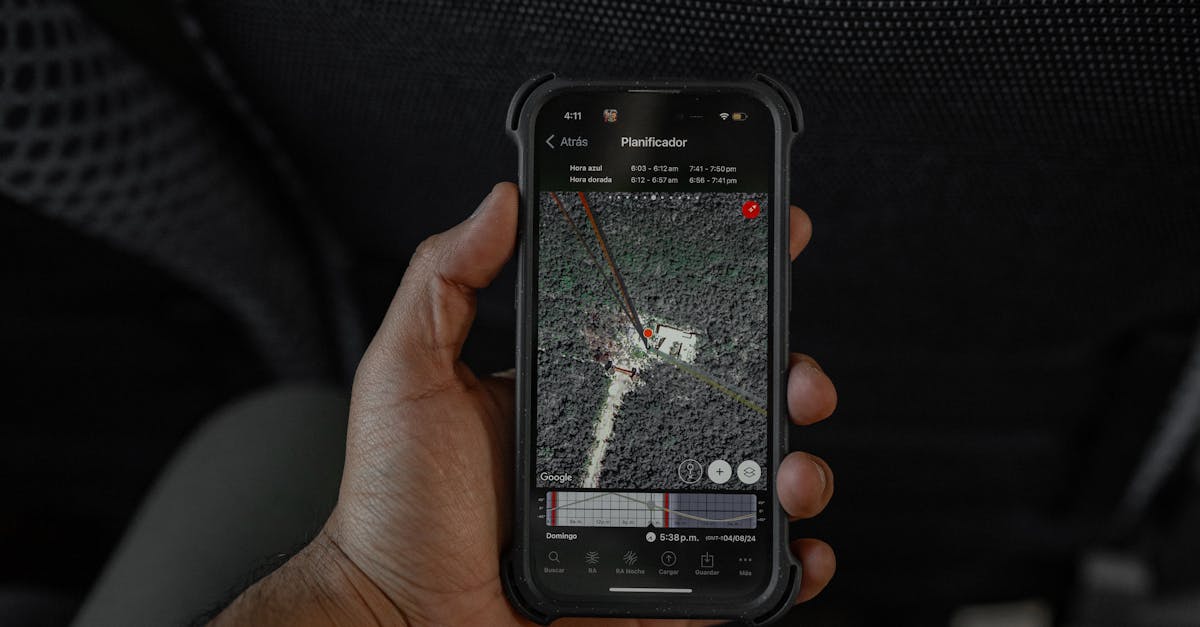
Photo by Amar Preciado on Pexels
The tech landscape is undergoing a profound shift, extending its reach far beyond traditional terrestrial networks. At the heart of this transformation is Amazon’s momentous $11.6 billion acquisition of Globalstar, a move that not only expands Amazon’s burgeoning empire but also fundamentally redefines the future of connectivity for Apple iPhone users. This colossal investment signals a new era where seamless communication is no longer bound by cellular towers but by satellites orbiting Earth.
For years, the promise of satellite-to-phone connectivity has been a tantalizing prospect, offering critical lifelines in remote areas and enhancing emergency services. Apple, a pioneer in integrating advanced features, has been actively exploring these possibilities. Notably, before solidifying its pact with Amazon-Globalstar, Apple reportedly considered and subsequently rejected an offer from Elon Musk’s Starlink, indicating a strategic preference for Amazon’s emerging satellite infrastructure. This decision underscores the intense competition in the burgeoning space internet sector and highlights the critical importance of a robust and reliable satellite partner.
What does this mean for the everyday iPhone user? The integration of Globalstar’s low-Earth orbit (LEO) satellites promises a significant upgrade in device capability. While initial applications might focus on emergency SOS features in areas without cellular coverage – a feature already hinted at by Apple – the long-term vision could extend to broader messaging, data transmission, and even basic voice calls from virtually anywhere on the planet. This collaboration ensures that future iPhones will be more resilient and connected, regardless of geographical barriers, offering peace of mind and unprecedented access.
For Amazon, the Globalstar acquisition is a masterful strategic stroke. It positions the e-commerce giant squarely in the rapidly expanding satellite communications market, challenging established players and diversifying its vast technological ecosystem. Beyond the immediate Apple deal, Globalstar’s infrastructure could serve as a foundational element for Amazon’s Project Kuiper, its ambitious broadband satellite constellation. This move allows Amazon to not only provide a crucial service to one of the world’s largest tech companies but also to build out its own capabilities in a critical future-forward sector, potentially offering direct-to-device services or enterprise solutions.
The convergence of consumer electronics and satellite technology marks a new frontier in digital access. With Amazon’s financial might and Apple’s market dominance, this partnership is set to accelerate the adoption of satellite-enabled features in mainstream devices. It’s a clear signal that the race to connect the unconnected and enhance the always-connected experience is far from over, with the skies becoming the next battleground for tech supremacy. This celestial play is more than just a merger; it’s a blueprint for the next generation of global connectivity.
Updates
- 2026-10-01 — The new Kindle ditches the raised bezel in a push toward a smaller, lighter e-reader (source)
- 2026-09-25 — Apple shares video highlighting new child safety features across its devices (source)
- 2026-08-21 — Google Home update lets you set light color temperature to your favorite kelvin using voice commands (source)
- 2026-08-21 — Aaron Swartz was prosecuted for scraping, while Meta does it without consequence (source)
- 2026-08-13 — The Best Spotify Alternatives to Ease Your Conscience (source)
- 2026-08-13 — Why This Prediction Market Banned Teens (source)
- 2026-07-27 — The Sideload 040: Finding digital peace with Light Phone (source)
- 2026-05-12 — You can preview the new, new Digg after its takeover by bots (source)
- 2026-05-11 — 7 of our favorite deals from Amazon’s Pet Days sale (source)
- 2026-05-06 — Amazon Blink beats Google’s 2K Nest Doorbell with the same quality for under $50 (source)
- 2026-04-29 — Splatoon Raiders preorders for the Switch 2 are nearly 20 percent off (source)
- 2026-04-28 — Elon Musk tells the jury that all he wants to do is save humanity (source)
- 2026-04-28 — Australia forces Big Tech firms to pay for news or face a 2.25% tax (source)
- 2026-04-28 — Australia forces Big Tech firms to pay for news or face a 2.25% tax (source)
- 2026-04-27 — Google Messages read receipts redesign continues with old icons, swipe for time (source)
- 2026-04-24 — HomeKit Weekly: The Aqara G400 brings PoE and HomeKit Secure Video to your front door (source)
- 2026-04-22 — SpaceX cuts a deal to maybe buy Cursor for $60 billion (source)
- 2026-04-21 — OpenAI’s updated image generator can now pull information from the web (source)
- 2026-04-20 — Tim Cook to remain involved in Apple’s government relations around the world (source)
Related Articles
UK regulator forces Apple to open iPhone NFC amid antitrust push
Britain's competition watchdog demands Apple share NFC access, raising stakes for mobile payments and the iPhone Duo rollout.

Apple Expands Wallet Keys, Moves iPhone Duo Dates
Apple widens CarKey support to GM brands, advances iPhone Duo deliveries, and teases a touchscreen MacBook, reshaping its ecosystem.
Apple’s $2,000 iPhone Duo sells out before 2027
Apple’s first folding iPhone launched at $2,000, immediately sold out and left most buyers waiting until 2027, while iOS 27.2 and HomePod updates add modest software polish.