

Best Planners 2026

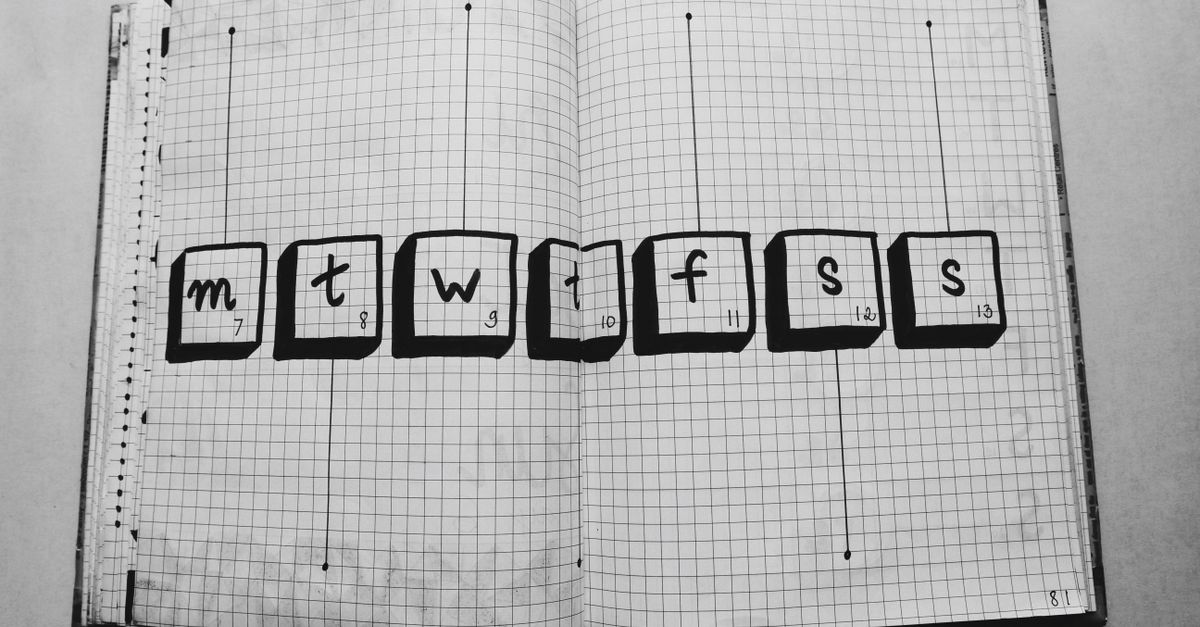
Introduction to Paper Planners
Roterunner, Hobonichi, and Cloth & Paper are WIRED’s top planners of 2026. These paper agendas and notebooks offer a tangible alternative to digital calendars, allowing users to manage their time and tasks in a more traditional and tactile way.
The Benefits of Paper Planners
Paper planners provide a clear overview of the user’s schedule, helping them to prioritize tasks, manage time more effectively, and reduce stress. Hobonichi’s planners are known for their high-quality paper and binding, providing a premium feel that makes them a joy to use. Roterunner offers a minimalistic design that focuses on essential tasks and appointments, allowing users to cut through the clutter and stay focused on what’s important.
Top Planners of 2026
WIRED’s top planners include Roterunner, Hobonichi, and Cloth & Paper. Each has unique features and benefits that set them apart from the competition. Roterunner is ideal for those who prefer a minimalistic design, while Hobonichi is perfect for those who value high-quality materials. Cloth & Paper offers a more stylish and fashionable option, with a range of designs and layouts to suit different tastes and preferences.
Industry Context and Impact
The use of paper planners is part of a broader trend towards analog and tactile products, as people seek to disconnect from their digital devices and engage with the physical world. According to WIRED, these planners could change your life by providing a more meaningful and fulfilling way to manage your time and tasks. The planners were chosen based on WIRED’s testing criteria, which prioritizes usability, functionality, and overall user experience.
History of Paper Planners
The use of paper planners dates back to the early 20th century, when they were first used by businesspeople and professionals to manage their schedules and appointments. Over the years, their design and functionality have evolved to meet the changing needs of users, with the introduction of new features such as to-do lists, goal-setting templates, and inspirational quotes. Today, paper planners are more than just a scheduling tool - they are a personal statement and a reflection of one’s personality, values, and style.
Technical Mechanics
The design of a paper planner is crucial to its usability, with a well-designed planner featuring a clear layout, easy-to-use formats, and high-quality paper. Roterunner’s minimalistic design, for example, allows users to focus on essential tasks and appointments, while Hobonichi’s high-quality paper and binding provide a premium feel that makes them a joy to use. The choice of paper, ink, and binding materials can also affect the overall user experience, with some planners featuring recycled paper, soy-based ink, and eco-friendly bindings.
Downstream Implications
The use of paper planners can have a significant impact on one’s productivity and overall well-being, by providing a clear overview of the user’s schedule, helping them to prioritize tasks, manage time more effectively, and reduce stress. As a result, paper planners can be a valuable tool for anyone looking to improve their work-life balance, increase their productivity, and achieve their goals. By using a paper planner, users can take control of their time and tasks, and create a more fulfilling and meaningful life.
Related Articles
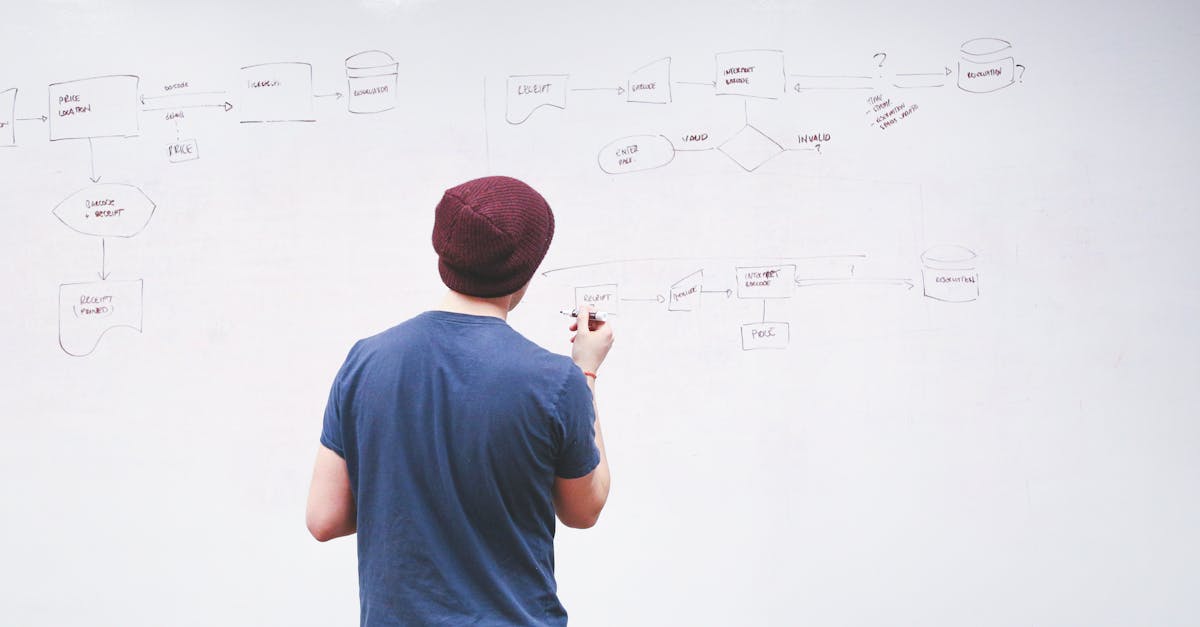
AI Flowchart Generators and Daily Rating Apps Gain Momentum
Free AI diagram tools and personal rating sites see rapid adoption

Volvo's EX60 EV, Rolepad's Job Tracker, and Yak's Voice Typing
New Volvo EX60 EV, Rolepad job tracker with company reviews, and Yak voice typing tool
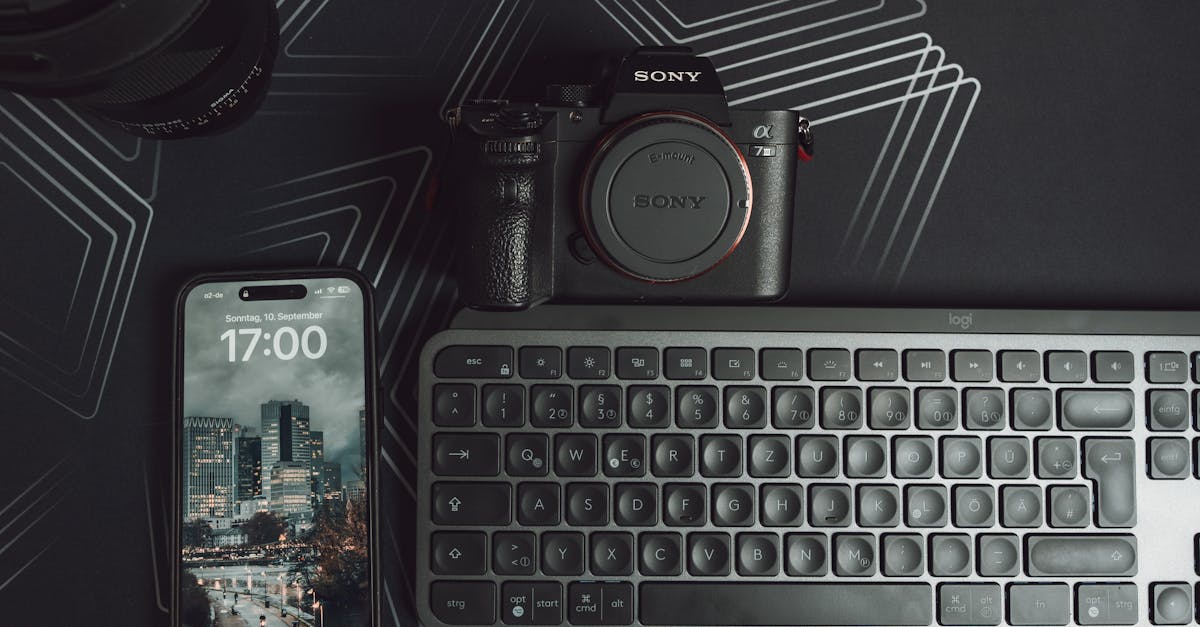
Logitech MX Accessories Gain Microsoft Office Control
Logitech's MX accessories now support Microsoft Office apps, allowing users to control Word, Excel, and PowerPoint with custom shortcuts.