

Zuckerberg's AI Vision Faces Skepticism


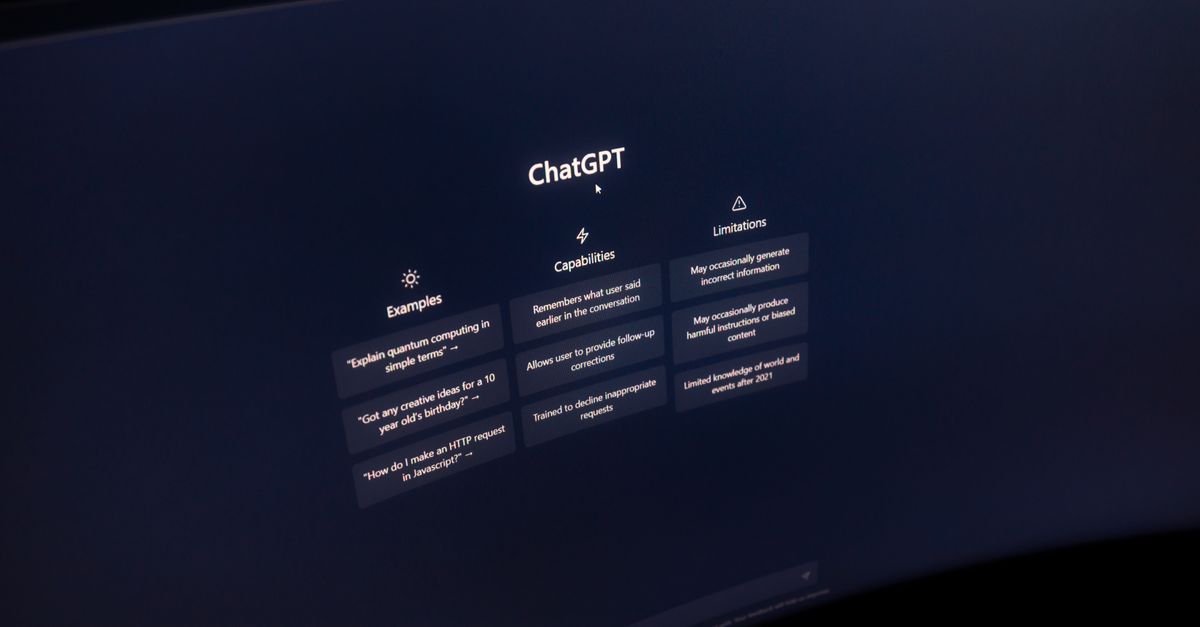
Photo by Alex Knight on Pexels
Introduction to Skepticism
Mark Zuckerberg’s AI vision is not convincing everyone, according to the latest episode of TechCrunch’s Equity podcast. The podcast episode discusses concerns about the feasibility of his vision, highlighting that many are questioning whether his promises can be fulfilled.
The skepticism surrounding Zuckerberg’s vision stems from the significant gap between his promises and the current state of AI technology. While he envisions AI as a transformative force that can improve lives, the reality is that current AI technology has yet to meet these lofty expectations.
The Promise vs. Reality
Zuckerberg’s vision for AI is ambitious, with promises of revolutionizing various aspects of life. However, the current state of AI development suggests that these promises may be overly optimistic. The gap between the promise and reality is significant, leading to skepticism among industry experts and observers.
The reasons behind this skepticism are multifaceted. One key issue is the lack of tangible progress in AI development. Despite significant investments and advancements in AI research, the technology has yet to deliver on its promises. This has led to a sense of disillusionment among those who were initially enthusiastic about the potential of AI.
Industry Context
The Equity podcast discusses reasons behind the skepticism, focusing on the gap between Zuckerberg’s promises and current AI technology. The podcast highlights that the AI industry is not short on promises, but it is short on delivery. Many companies have made grand promises about the potential of AI, but few have been able to deliver on these promises.
The AI industry is highly competitive, with numerous companies vying for dominance. However, the lack of progress in AI development has led to a sense of stagnation. Companies are struggling to deliver on their promises, and this has led to a decline in confidence in the industry as a whole.
History of AI Development
The skepticism surrounding Zuckerberg’s vision is not new. The AI industry has a long history of overpromising and underdelivering. In the past, AI has been touted as a solution to various problems, but it has yet to live up to these expectations.
The history of AI development is marked by periods of enthusiasm and disillusionment. In the 1950s and 1960s, AI was seen as a promising new field, with many believing that it would revolutionize various aspects of life. However, as the years went by, it became clear that AI was not as advanced as many had thought.
Technical Mechanics
The technical mechanics of AI development are complex and challenging. Creating AI systems that can think and learn like humans is a difficult task, and it requires significant advances in fields such as machine learning and natural language processing.
The current state of AI technology is based on narrow or weak AI, which is designed to perform specific tasks. However, creating general or strong AI, which can think and learn like humans, is a much more difficult task. This has led to a sense of frustration among AI researchers, who are struggling to make progress in the field.
Downstream Implications
The implications of Zuckerberg’s AI vision are significant. If his promises are fulfilled, it could lead to significant advances in various fields, including healthcare and education. However, if his promises are not fulfilled, it could lead to a decline in confidence in the AI industry as a whole.
The downstream implications of AI development are far-reaching. AI has the potential to transform various aspects of life, from healthcare and education to transportation and manufacturing. However, the lack of progress in AI development has led to a sense of uncertainty about the future of the industry.
What to Watch
Companies must address AI challenges and concerns, as discussed on the Equity podcast, to shape AI’s future. The AI industry is at a crossroads, and it is unclear which direction it will take. However, one thing is certain: the industry must deliver on its promises if it is to survive and thrive.
Updates
Related Articles


Google Removes AI Watermark
Google allows users to opt out of visible watermarks on AI-generated content