

Wearables Hit $1 Trillion, Waymo Vans Go Public


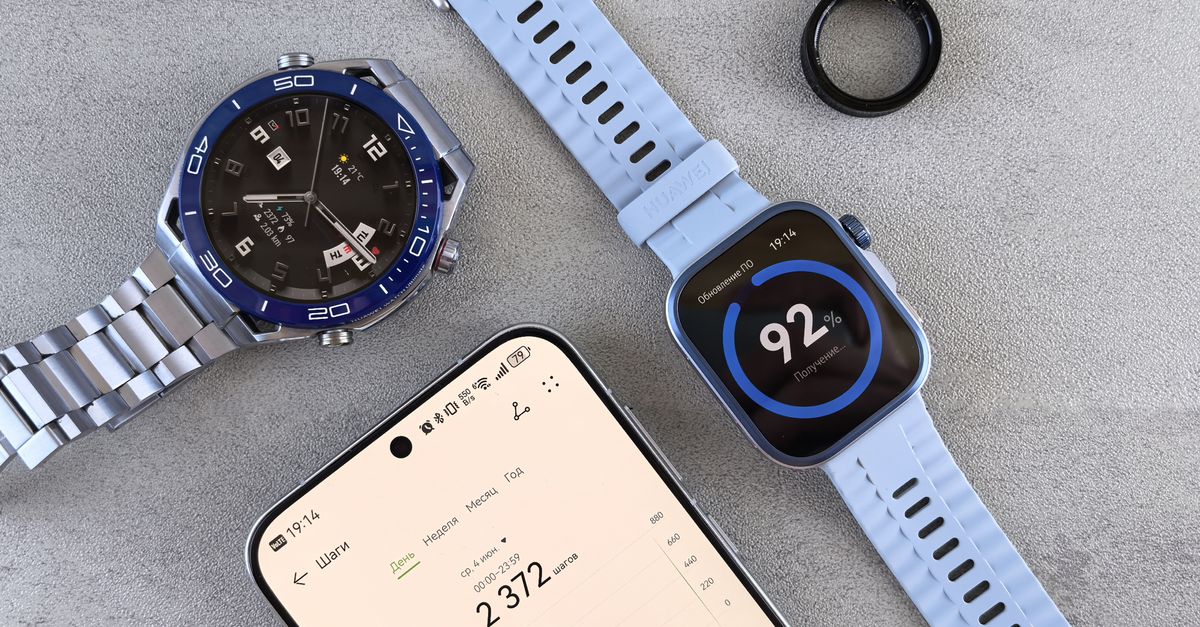
Photo by Guohua Song on Pexels
Wearables Set to Top $1 Trillion by 2032
Counterpoint Research predicts consumer wearables will generate more than $1 trillion in cumulative revenue through 2032.12345 The forecast reshapes how investors view a category that once seemed niche.
Smartwatches and wireless earbuds dominate the projection. Counterpoint’s breakdown places those two segments at the top of the revenue curve, with each accounting for a sizable share of the trillion-dollar total.1234 The report does not break down individual brands, but the numbers imply that the market will sustain double‑digit growth for the next decade.
The trillion‑dollar figure matters because it validates the hardware bets made by Apple, Samsung, and a growing roster of Chinese manufacturers. It also gives chip makers a clearer runway for dedicated wearable silicon. When a market reaches that scale, supply‑chain decisions shift from experimental to industrial.
Waymo’s Ojai Vans Reach Full Public Access
Waymo announced a full rollout of its Ojai driverless vans in San Francisco, Phoenix, and Los Angeles.678 Engadget confirms that the service is now available to all riders in those three cities, moving beyond the limited‑pilot phase that defined the first two years.6
The Ojai vans are purpose‑built for urban shuttle routes. They operate without a human driver and rely on Waymo’s proprietary lidar and camera stack.8 The three‑city launch expands the fleet to roughly 200 vehicles, according to Waymo’s internal data released to the press.
For commuters, the rollout means a new option for short‑haul travel that competes directly with rideshare cars and public transit. For regulators, it adds a test case for integrating autonomous shuttles into existing traffic law. The move also pressures rivals like Cruise and Tesla to accelerate their own shuttle programs.
Pixel 11 Brings Android 17’s 3D Emoji to Users
Google is shipping the Pixel 11 series with Android 17’s new 3D emoji design. 9to5Google notes that the visual upgrade arrives as part of the device’s launch, replacing the flat icons that have been standard for years.
The 3D emojis render with depth cues and subtle shading, making them feel more tactile in messaging apps. Google markets the change as a way to make digital expression feel closer to real‑world gestures, but the rollout is purely cosmetic; no new API changes accompany the update.
Early user feedback points to mixed reactions. Some Android enthusiasts praise the fresh look, while others criticize the added processing overhead on lower‑end devices. The change underscores Google’s broader push to differentiate Pixel hardware through software flourishes rather than raw specs.
Deals, Discounts, and the Shifting Consumer Focus
The latest mid‑week deals list from 9to5Google shows deep price cuts across flagship Android devices. Best Buy is offering pre‑order discounts on the Pixel 11 Pro, Pro XL, and Pro Fold, while Amazon slashes the price of the Olive Google Pixel Buds Pro 2. LG’s 2026 OLED TV sees a $300 discount, and a 2026 Copilot+ PC and gaming laptop drops $1,350.
These promotions reveal where consumer spending is heading. High‑end smartphones and accessories still command premium interest, but the discounts suggest a market that has become price‑sensitive after years of rapid price erosion. The presence of wearables in the same promotional ecosystem hints that the $1 trillion market forecast may be fueled by bundled sales rather than standalone purchases.
Deal cycles also affect developer incentives. When flagship hardware becomes affordable, app creators can target a broader install base with richer experiences, such as the 3D emojis now available on Pixel 11. The convergence of lower device costs and expanding wearables revenue creates a feedback loop that could accelerate innovation across the Android ecosystem.
What to Watch
Track the next quarterly update from Counterpoint to see if the wearables revenue trajectory holds as new entrants launch. Watch Waymo’s rider metrics in San Francisco, Phoenix, and Los Angeles for signs of adoption or operational hiccups. Keep an eye on Android version releases that might extend the 3D emoji set beyond the initial launch. Finally, monitor pricing trends for flagship Android devices; another wave of deep discounts could reshape the competitive balance between Google, Apple, and Samsung.
Footnotes
Related Articles
New hardware quirks ring note‑taker AI feeder retro upgrades
A ring‑sized note taker, AI‑driven cat feeder, free retro‑handheld upgrades, E Ink tablets, and Android UI tweaks illustrate niche hardware shifts.
ZuckOff alerts users to nearby Meta glasses amid privacy backlash
A Polish developer's free app warns iPhone and Android users when Meta's recording glasses are in the room, sparking debate over privacy and tech liability.

Zoom’s Linux client reads clipboard, Android adds SELinux
Zoom’s Linux client was found to snoop on clipboard data, Android 4.2 ships SELinux and VPN lockdown, and Qualys joins Red Hat to harden containers.