

Apple battles Brazil antitrust, Irish tax bill, and layoffs


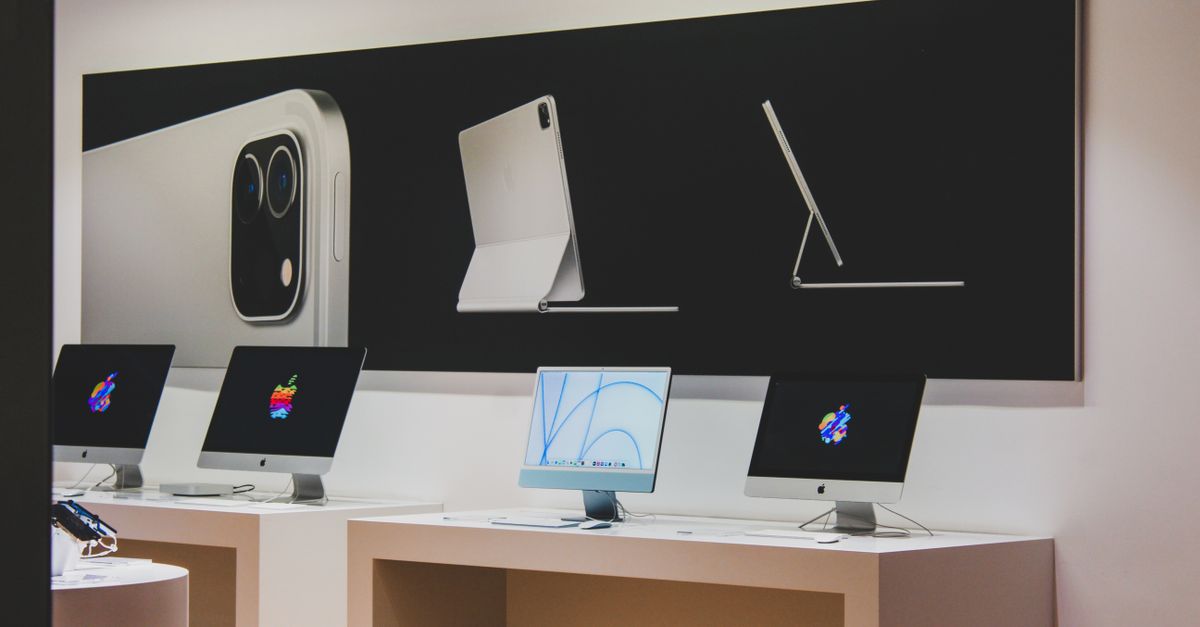
Photo by Deise Elen on Pexels
Brazil antitrust showdown
Epic Games filed a complaint with Brazil’s antitrust watchdog on Monday, accusing Apple of interpreting its obligations under a recent App Store antitrust agreement in a way that limits competition. The filing gives Apple until the same Monday to respond, setting a tight window for a legal back‑and‑forth.
Brazil’s deal with Apple was meant to loosen the company’s control over app distribution and pricing. If the watchdog finds Apple’s practices restrictive, the ruling could force changes to the App Store model not just in Brazil but in other markets that watch the case closely. A precedent here would give regulators a template for enforcing similar agreements elsewhere.
Irish tax outlay hits record
Apple disclosed that it paid Ireland $17 billion in corporate income taxes for 2025, a sum that represents roughly 40 % of its worldwide tax bill. The figure emerged in new tax disclosures reported by the Financial Times.
The payment follows an EU‑backed tax case that forced Apple to settle a long‑running dispute over its Irish tax structure. While the cash outlay eases immediate legal pressure, it also highlights the scale of Apple’s global tax exposure. Investors will watch how the company balances such large payments against its cash‑flow needs for future projects.
Workforce cuts echo across Vision Pro and Siri
Apple announced layoffs affecting more than 200 employees across its Vision Pro, Siri, and broader software engineering teams, according to Bloomberg. The cuts span hardware, voice‑assistant, and core engineering groups.
The reductions come as Apple pushes hardware like the Vision Pro headset while also expanding services. Cutting staff in these high‑profile areas signals a tightening of resources, perhaps to offset the financial strain from the Irish tax bill and the looming Brazil lawsuit. Employees on the ground report a shift toward leaner project teams and tighter delivery timelines.
Product pipeline: Watch upgrade and TV releases
Apple Watch Series 12 and Ultra 4 are slated to launch next month, and rumors suggest they will ship with a new, more powerful chip. The upgrade is timed to arrive just before the holiday buying season, giving the devices a performance edge over the previous generation.
At the same time, Apple TV is preparing three major new releases, adding to the momentum generated by Ted Lasso season 4, which is currently airing. The new titles are expected to broaden the platform’s appeal and keep subscriber churn low as competition from other streaming services intensifies.
Both the watch refresh and the TV content push illustrate Apple’s strategy of pairing hardware upgrades with fresh media to sustain user engagement across its ecosystem.
What to watch
The next week will reveal Brazil’s regulator decision on Epic’s complaint, a signal for how aggressively the country will enforce App Store reforms. The Apple Watch launch will test whether the rumored chip delivers a noticeable performance boost in real‑world use. Analysts will also monitor any further layoff announcements, especially in emerging product groups. Finally, the reception of Apple TV’s upcoming releases will indicate whether the content push can offset the churn risk from rivals. Tracking these moves will show how Apple balances legal, fiscal, and product pressures in a single quarter.
Related Articles
Apple cuts 60 Vision team members as VR focus wanes
Apple lays off 60 Vision staff, signaling a retreat from VR amid weak smartphone sales and a shift toward wearables and AI features.

Apple faces relief pledge, chip ban, and OS rollouts
Apple announced wildfire aid, confronts US Senate chip ban, UK payment rule push, and rolls out iOS 27 Maps and macOS 27 features.

Court Makes Apple Exec a Custodian in Musk Antitrust Fight
U.S. court orders Apple SVP Craig Federighi to turn over documents in Elon Musk's xAI lawsuit, while denying Tim Cook and other discovery requests.