

GM’s CarPlay Cut, DIY Android Auto, and the Road Ahead

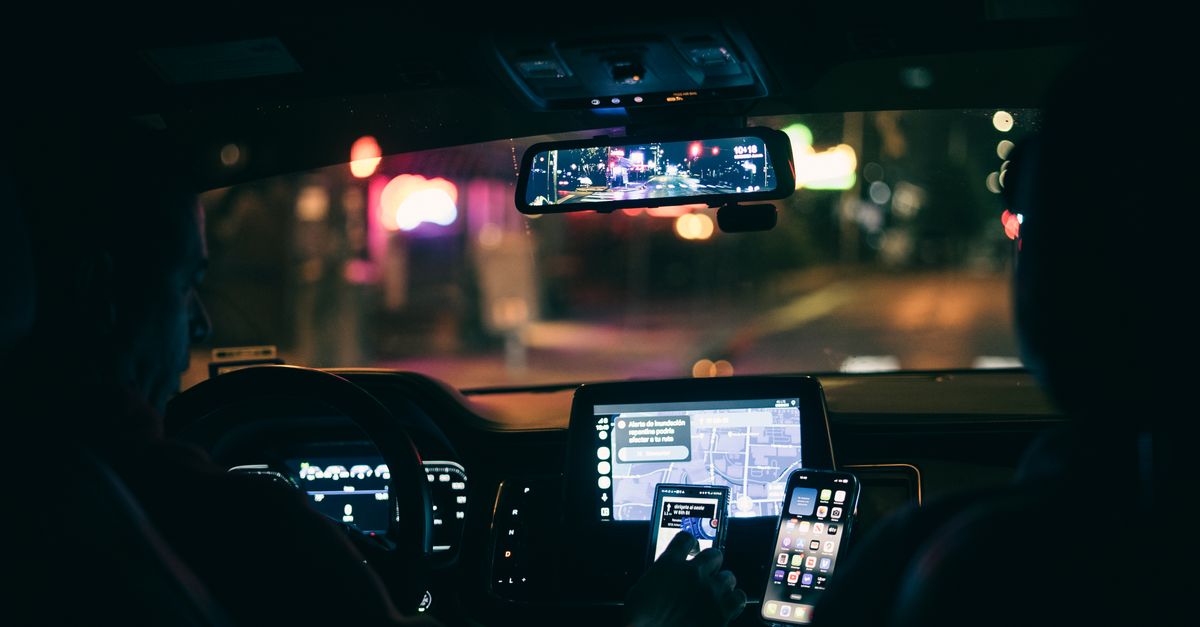
Photo by Erik Mclean on Pexels
Android Auto in the Car Today
Android Auto lets you mirror your phone’s screen onto a car’s infotainment display. Engadget recently asked whether the feature is worth using, pointing out YouTube throttling and other quirks that frustrate drivers.12 The headline alone signals that the experience is no longer seamless.
Drivers still value the ability to pull contacts, navigation, and music from their phones without fumbling with a handset. The promise of a distraction‑free interface hinges on stable connections and responsive rendering. When those break, the safety case collapses.
DIY Alternatives: Crankshaft on Raspberry Pi
A community project called Crankshaft turns a Raspberry Pi into an Android Auto head‑unit.345678 The latest NG Alpha‑7.5 build shipped on 2022‑06‑29 and claims a “just work” base install.3 It runs OpenAuto under GPLv3, so the code stays open.3
Crankshaft is explicitly labeled alpha‑level software.35 It is not certified by Google or Android, and the developers warn that it is a hobby project.3 Still, the kit fits on a 7‑inch screen and offers a car‑optimized UI.34 For developers comfortable compiling Linux software, the platform is a sandbox for tweaking Android Auto without a factory‑installed system.
The project’s README stresses safety: use it only when the car is parked. That caveat mirrors the broader industry tension between convenience and distraction.
GM’s Bold Move Away from CarPlay and Android Auto
General Motors announced it will stop offering Apple CarPlay and Android Auto on its upcoming electric models, starting with the 2024 Chevrolet Blazer EV slated for summer release. Instead, GM will roll out its own Ultimi infotainment suite, which bundles Google Maps, Assistant, Spotify, and other services.
The decision sparked immediate backlash. Will Lindley, a longtime Cadillac owner, said the loss of CarPlay was a deal‑breaker for his next EV. “Both of our cars work with CarPlay. The navigation is there, all the contacts for our phone are there, so if CarPlay is not an option, we’re going to go elsewhere,” he told the Detroit Free Press.
Ford’s Alan Hall pushed back, noting that Ford will keep CarPlay and Android Auto because “customers love the capability that enables easy access and control of their smartphone apps, especially our EV customers.” The contrast highlights a split among legacy automakers.
Safety, Subscriptions, and the Future of In‑Car Software
GM justifies the cut by citing safety concerns. Tim Babbit, GM’s head of infotainment product, told Motor Trend that CarPlay and Android Auto suffer from stability issues—bad connections, poor rendering, slow responses, and dropped connections. When those glitches occur, drivers reach for their phones, defeating the purpose of mirroring.
Babbit admitted GM has not run controlled studies to prove its hypothesis, but the narrative aligns with a broader push toward proprietary systems. Ultifi, the new platform, embeds Google services directly and leans heavily on voice control. It also opens a path to subscription revenue. GM’s chief digital officer Edward Kummer told Reuters the company hopes to make $25 billion per year from subscriptions by 2030.
Analysts see the move as a revenue play. Dan Ives of Wedbush called it “a huge blunder, which puts greed over consumer choice” and suggested GM is mimicking Tesla’s subscription model. Walt Mossberg echoed the sentiment on LinkedIn, calling the decision a “huge blunder.”
The backlash is not just rhetorical. Some buyers are publicly stating they will skip GM models in favor of rivals that retain CarPlay, such as Ford’s Mustang Mach‑E. If enough customers defect, GM could see a measurable dip in EV sales, especially among Apple‑centric households.
What to Watch
The next data point will be the first sales figures for the 2024 Chevrolet Blazer EV. Analysts will compare those numbers to comparable Ford and Tesla EVs that still offer CarPlay or Android Auto. Keep an eye on GM’s subscription rollout timeline and any regulatory scrutiny over driver‑distraction claims. The industry’s response will shape whether proprietary infotainment becomes the new norm or a costly misstep.
Footnotes
Related Articles

Tesla's China recall avalanche exposes systemic safety gaps
Tesla faces three massive recalls in China, covering over 4 million cars, as regulators clamp down on safety flaws from door handles to suspension and cruise control.

GM cuts simulation time to a minute with AI
General Motors shrank CFD and FEA runs from 15 hours to a minute using AI, sparking debate on hype versus impact across tech circles.

Privacy, Data, and Tech Fatigue in 2026
Tech innovations and privacy concerns collide as users retreat from digital ecosystems.