

Saily Ultra eSIM Premium Plan Raises Global Connectivity

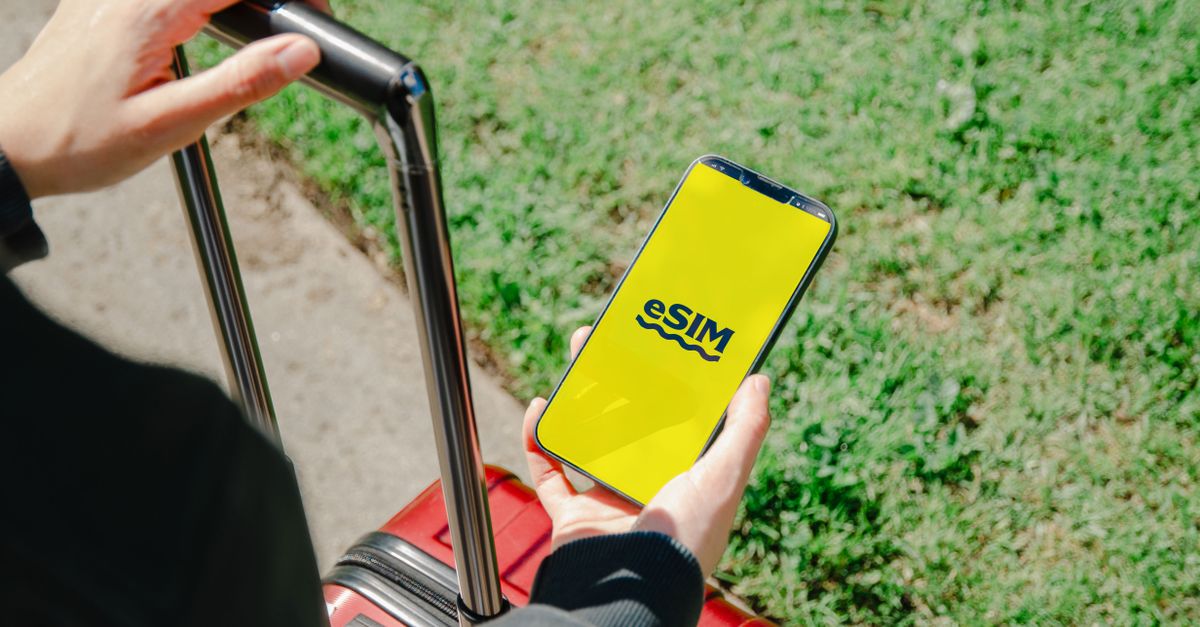
The Saily Ultra eSIM Premium Plan
Saily Ultra’s premium eSIM plan promises uninterrupted service for anyone who hops between countries, yet the price makes the offering feel exclusive. The headline is simple: you get a single SIM that works everywhere, but you pay a premium for that convenience.
WIRED’s review notes that the Saily Ultra eSIM “works well” for country‑hopping and comes with “plentiful perks,” but it also calls the plan “pricey.” The review does not disclose a dollar amount, but the adjective alone signals a barrier for budget‑conscious travelers. The perks include data‑rollover, priority customer support, and automatic network switching, all of which are tangible benefits for heavy‑use globetrotters.
Why eSIM Matters for Global Travelers
The eSIM eliminates the need to hunt for local carriers, swap physical cards, or juggle multiple numbers. For engineers on the road, that reduction in friction translates directly into more productive time. The technology also lets carriers push updates over the air, keeping the profile current without user action.
The convenience, however, comes with a trade‑off. Carriers that sell premium eSIM bundles often bundle higher‑margin services, which inflates the price. Travelers must weigh the cost against the time saved. In markets where roaming agreements are weak, the premium plan can be the only reliable path to data, making the expense a rational choice for a subset of users.
Android’s Built‑In Work Profile: A Quiet Competitor
Android phones include a native work‑profile feature that separates personal apps from corporate data. WIRED explains that the feature lets users achieve a work‑life balance without buying a second device. The profile creates a distinct account, complete with its own app drawer and notification settings.
For the same audience that values a seamless eSIM experience, the work profile offers a parallel kind of friction reduction. It removes the need for separate hardware, reduces the risk of data leakage, and lets IT departments enforce policies without touching personal data. The feature is free, built into the OS, and therefore sidesteps the price premium that Saily Ultra imposes for its connectivity service.
Consumer Tech Context: From eSIM to Everyday Gadgets
WIRED’s 2026 roundup of mattress toppers and electric toothbrushes shows a similar pattern: premium features attract attention, but price remains the decisive factor. The mattress‑topping guide lists options ranging from plush pillow‑top layers to targeted back‑support foam, each with a distinct price tier. The electric‑toothbrush review highlights models from Philips, Oral‑B, and Quip, noting that two years of testing narrowed the field to a handful of devices that “impressed WIRED staffers the most.”
Both reviews emphasize that the best‑in‑class products deliver tangible benefits—better sleep or cleaner teeth—but they also warn that the premium price may not justify the marginal gain for every user. The same calculus applies to Saily Ultra’s eSIM: the service works, the perks are real, but the cost forces travelers to ask whether the added convenience outweighs the expense.
What to Watch
The next quarter will reveal whether carriers respond to Saily Ultra’s pricing by offering lower‑cost eSIM bundles or by bundling additional services. Watch for announcements from major mobile operators in Europe and Asia, and keep an eye on Android’s upcoming OS updates that might tighten integration with eSIM provisioning. Those moves will shape whether premium eSIM plans remain niche or become a mainstream option for the global workforce.
Updates
- 2026-09-15 — A new solar cell could generate electricity underwater (source)
Related Articles

Dbrand, Xiaomi, and Pebblebee Unveil New Android Accessories
Dbrand launches thin MNML cases for Pixel phones, Xiaomi announces the Pad 9 Pro Max tablet, and Pebblebee adds neon Find Hub trackers to its lineup.

Cross‑Platform Mobile Moves in Video, Code, UI, Media
Yahoo Messenger adds video chat, Dropbox drops C++ sharing, React Native updates, and tips for Android‑to‑iPhone media keep the ecosystem shifting.
Connectivity Gaps Expose How Mobile
From iPhone handoff quirks to a Vodafone data‑center break‑in, new 5G trials and API‑management buyouts reveal hidden flaws in today’s network ecosystem.