

Backyard Bugs, Bare‑Bones Tasks, and Health Overload

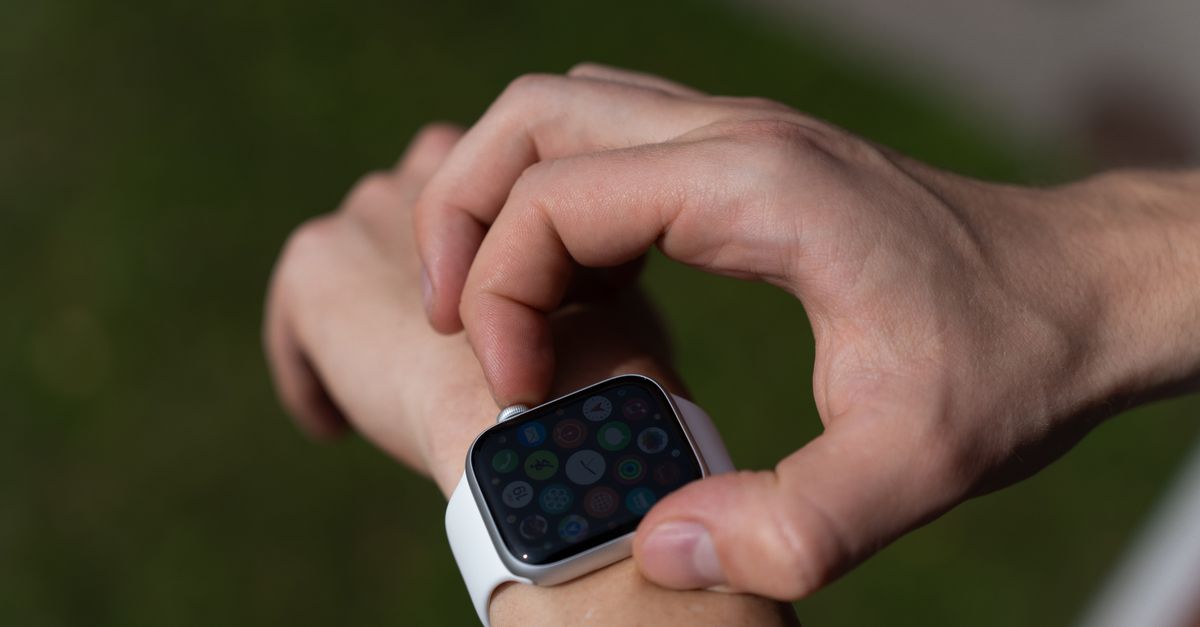
Photo by Anastasiya Badun on Pexels
Thermocell’s LIV 2.0 finally gave my patio a fighting chance against mosquitoes, but the device costs enough to make you question whether the bite‑free evenings are worth the price tag.
The WIRED review notes the LIV 2.0 is “expensive and imperfect, but it outperforms nearly every mosquito‑control method I’ve tried.”1 The author tested it alongside traditional citronella candles, electric traps, and a DIY fan‑spray rig, and the LIV 2.0 consistently delivered the lowest bite count. The device uses a proprietary repellent cartridge that vaporizes a synthetic version of a plant oil, creating a 15‑foot protection bubble.2
Thermacell’s approach feels more like a focused shield than a blanket spray. The unit sits on a small base, draws power from a rechargeable battery, and clicks on with a single button. The downside is the cartridge replacement cost, which runs into double‑digit dollars and forces users to keep a spare on hand. In practice, the device works best in a defined outdoor space; try to protect an entire lawn and the bubble fizzles at the edges.
For anyone who spends evenings outdoors, the LIV 2.0 offers a clear advantage over the noisy, smelly alternatives that dominate the market. The trade‑off is a recurring expense and a bulkier form factor than a simple coil. If you value a bite‑free zone and can budget for the cartridges, the device is a solid, if imperfect, addition to your backyard arsenal.
Tasks.txt strips productivity down to pure text, letting me focus on what matters without the bloat of modern task managers.
WIRED describes the macOS app as “totally free” and praises its “sheer elegance” despite missing features like drag‑and‑drop reordering and calendar sync.31 The app lives in the menu bar, opens instantly, and saves every entry as plain‑text in a single file that syncs via iCloud or any cloud service you prefer. There are no pop‑up reminders, no premium tier, and no hidden subscription.
The simplicity is a double‑edged sword. Power users miss batch editing shortcuts and the ability to tag tasks with colors, but the app’s minimalism forces you to think about each entry before you type it. The lack of a native mobile client means you either keep the file in a cloud‑synced folder or resort to a third‑party editor on the go.
In a world where every app tries to be a Swiss Army knife, Tasks.txt reminds us that a single, well‑crafted text file can still compete. If you’re comfortable with markdown or plain‑text notes, the app delivers a distraction‑free workflow that many paid alternatives can’t match.
Samsung’s Galaxy Watch9 adds more health metrics than most users can meaningfully interpret.
The WIRED review points out that the watch “offers useful health tracking alongside a growing pile of metrics you may never use.”4567 The device measures heart rate, blood oxygen, sleep stages, stress levels, and even VO2 max, all displayed on a bright AMOLED screen.415 It also supports ECG and body composition analysis for premium users.4352
The sheer volume of data feels overwhelming. A casual user can glance at step count and heart‑rate zones, but the deeper analytics require digging through menus and third‑party apps. Battery life suffers under the weight of continuous monitoring, dropping to about a day if you enable every sensor.35
Samsung’s hardware is solid, and the watch integrates smoothly with Android phones, but the software assumes you want to track everything. For users who just need notifications and occasional workouts, the extra metrics are noise. The watch is a competent health hub only if you’re willing to invest time in learning its dashboard.
Bird‑lover gift guides have moved beyond cheap seed mixes to curated experiences that deepen the hobby.
WIRED’s editor picks include “feeders, field guides, or games” that “are sure to land perfectly.” The article highlights a solar‑powered feeder with a built‑in camera, a pocket‑sized field guide that folds into a waterproof cover, and a tabletop game that teaches bird identification through play. Each item balances durability with educational value.
The market for niche hobby gifts is growing as more people seek low‑tech ways to connect with nature. Companies are responding with smart feeders that log visitation data, but the guide favors analog tools that don’t require a Wi‑Fi connection. The emphasis on field guides underscores a resurgence of print in an otherwise digital world.
Choosing the right gift still depends on the recipient’s experience level. A beginner will appreciate a simple feeder and a beginner‑friendly guide, while an avid birder might enjoy a high‑resolution camera attachment or a game that challenges their identification skills.
What to watch
Thermacell plans to release a lower‑cost cartridge later this year; early adopters should monitor pricing before committing to a bulk purchase. Tasks.txt may add a mobile companion in a future update, a move that could broaden its appeal beyond macOS purists. Samsung is rumored to trim the Galaxy Watch9’s sensor suite for a longer battery in the next firmware cycle, a change that could make the watch more practical for everyday wear. Finally, the bird‑gear market is likely to see more hybrid devices that blend analog guides with digital logging, so watch for announcements from outdoor tech startups.
Footnotes
Related Articles

FAA commits $875 M to AI traffic manager, eyes nationwide rollout
The FAA plans to deploy an AI system to ease DC airspace congestion, sparking debate over safety, oversight, and military precedent.

Mapping the World: AI, Accessibility Scores
Facebook’s AI road‑mapping, Rollin’s wheelchair scores, and new Python tools reshape OpenStreetMap’s ecosystem.

Zoom’s Linux client reads clipboard, Android adds SELinux
Zoom’s Linux client was found to snoop on clipboard data, Android 4.2 ships SELinux and VPN lockdown, and Qualys joins Red Hat to harden containers.