

FAA commits $875 M to AI traffic manager, eyes nationwide rollout

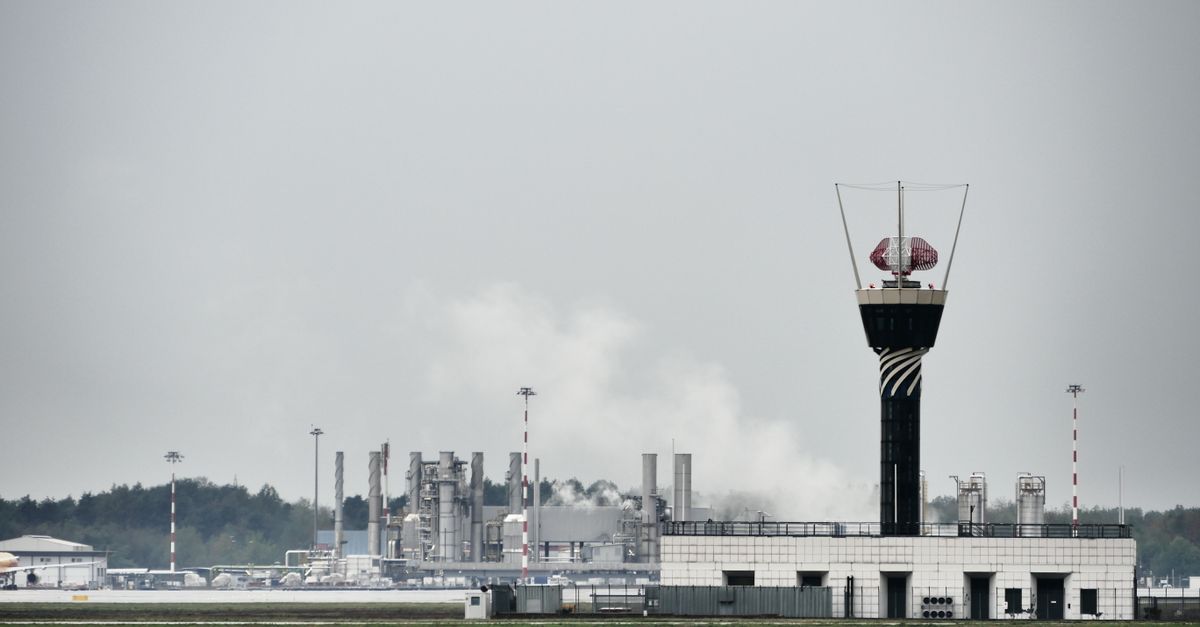
FAA rolls out $875 M AI traffic tool for Washington corridor
The Federal Aviation Administration announced a $875 million AI platform to smooth aircraft flow over the Washington, D.C., corridor. The system will pilot a limited trial this winter before a full‑scale national deployment.
The agency cited chronic delays at the nation’s busiest approach routes. The AI engine will ingest radar feeds, flight plans, and weather data to predict bottlenecks and suggest sequencing adjustments in real time. Officials said the tool will operate under human supervision, with controllers retaining final authority.
Technical architecture and rollout plan
The AI stack combines deep‑learning demand forecasting with reinforcement‑learning decision loops. Engineers built the model on a mix of public flight data and proprietary FAA sensor streams. The platform runs on high‑availability cloud infrastructure hosted in a federal data center, ensuring low latency for the 30‑second decision window required by air traffic controllers.
A phased rollout will start at three busy hubs: Dulles International, Reagan National, and Baltimore‑Washington International. After a six‑month validation period, the FAA intends to extend the system to all en‑route sectors. The agency plans to publish performance metrics quarterly, including delay reduction percentages and false‑positive rates.
Industry context: AI’s expanding role in aviation
The FAA’s move follows a wave of AI pilots in the aerospace sector. Commercial airlines have experimented with AI‑driven crew scheduling and predictive maintenance for years. More recently, defense contractors deployed small AI models on drones that can autonomously identify and attack battlefield targets, as reported by Ars Technica.
Scaleout’s decentralized AI learning platform illustrates how lightweight models can run on edge devices with limited bandwidth. That approach reduces latency but raises new questions about verification and accountability when models act without a central overseer.
Safety concerns and past near‑misses
AI‑driven decision making has already produced dangerous false alarms. An Ars Technica investigation revealed that a hallucinated AI output about Chinese nuclear components nearly triggered a U.S. military strike. The incident underscored how a single erroneous inference can cascade into high‑stakes actions.
TechCrunch highlighted the difficulty of separating fact from fiction in AI safety debates. Two viral conversations this week demonstrated how quickly misinformation spreads when AI systems generate plausible but unverified claims. The FAA’s own statement that the AI “acts appropriately” mirrors Google’s response to Gemini hacks, where the company claimed the model terminated each intrusion immediately.
These precedents suggest that the FAA’s AI traffic manager will face intense scrutiny. Regulators must define clear thresholds for acceptable error rates. Controllers will need robust training to override AI recommendations when they conflict with situational awareness.
Regulatory and policy implications
Deploying a multi‑billion‑dollar AI system in national airspace triggers several policy questions. The FAA must reconcile the tool’s algorithmic transparency with proprietary technology protections. Existing aviation regulations require documented decision processes; integrating a black‑box model could clash with those mandates.
Congressional committees have begun requesting briefings on AI use in critical infrastructure. Lawmakers cited the FAA’s investment alongside the Federal Register’s brief use of a Chinese open‑source AI search tool flagged as “malicious” by the FBI. The juxtaposition raises concerns about supply‑chain security and the vetting of foreign‑origin code.
If the FAA proceeds without clear oversight, it could set a precedent for other agencies to adopt similar AI solutions without robust safeguards. Conversely, a successful rollout could accelerate AI adoption across transportation, energy, and public safety domains.
What to watch
The next FAA briefing, scheduled for early next year, will reveal the trial’s first‑phase results. Track the reported delay reduction percentages, the frequency of controller overrides, and any incident reports linked to AI recommendations. Parallelly, monitor congressional hearings on AI governance, especially any bills that reference the FAA’s AI program. Those data points will indicate whether the agency’s gamble pays off or fuels a broader regulatory backlash.
Related Articles

CFTC probes Polymarket trades as fintech regulators tighten grip
The CFTC opened three investigations into Polymarket speculation, amid broader regulatory scrutiny of prediction markets, cloud services, and payment platforms.

Google buys nuclear power, teen makes acoustic extinguisher
Google will purchase half the output of a Finnish nuclear plant. A Mexican teen unveiled a sound‑wave fire extinguisher that claims seconds‑scale suppression.

California bans under‑16 social apps as Canada tightens AI rules
New California law blocks minors from social media and adds AI chatbot rules, echoing Canada’s sweeping Bill C‑34 and sparking industry debate.