

Texas Hyperloop Pitch, SpaceX Starship Test

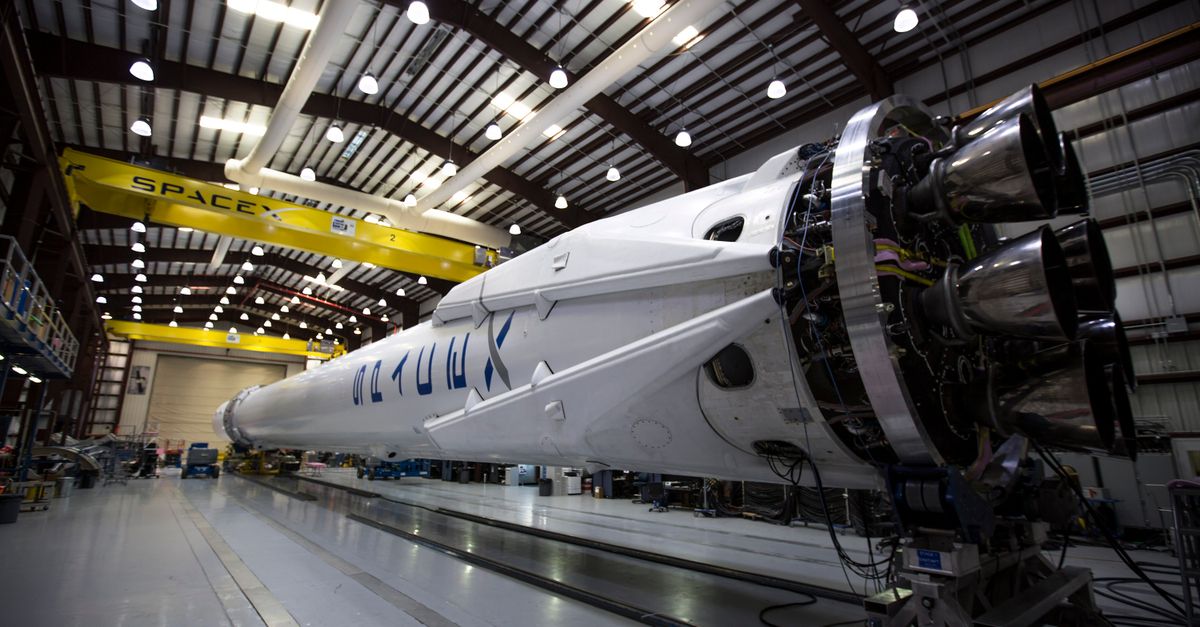
Texas Hyperloop Pitch Revives a Stalled Vision
Elon Musk’s Boring Company unveiled a hyperloop concept linking Austin and San Antonio this week. The proposal promises a sealed tunnel that could shave hours off a drive that now stretches over 80 miles.
The announcement arrives against a backdrop of unfulfilled promises. Many of the company’s announced projects have not materialized, from a Las Vegas‑to‑Los Angeles tunnel to a Florida‑to‑Orlando line. The Texas pitch therefore feels like a test of whether the firm can finally deliver on its own hype.
Texas officials have long courted high‑speed solutions to ease congestion on I‑35. A hyperloop would sit alongside a $1.5 billion rail upgrade approved in 2022, yet the Boring Company has yet to secure a construction contract. The gap between concept and contract mirrors the fate of the 1996 Telecom Act’s promised broadband boom, which delivered unevenly across the United States.
SpaceX’s Starship Test and the Raptor 3 Race
SpaceX is set for a big Starship test, according to Ars Technica. The test will push the vehicle’s next‑generation Raptor engine toward orbital re‑entry capability.
China has signaled interest in a Raptor 3 engine, a move that could reshape the global launch market. The same report quotes an industry insider: “I can tell you SpaceX has already gone captive.” The comment suggests SpaceX is now locked into a high‑stakes development cycle, with government customers and foreign competitors watching closely.
The stakes echo the Apollo era, when the United States poured resources into a single launch system to beat the Soviet Union. Today, the competition is commercial and geopolitical. If China secures a Raptor‑derived engine, it could undercut SpaceX’s price advantage on satellite constellations, a market that now accounts for more than half of the company’s launch revenue.
Joby Aviation’s Coast‑to‑Coast Autonomous Flight
Joby Aviation completed a fully autonomous flight from California to North Carolina, marking the longest nonstop electric aircraft run in the United States. The flight covered more than 2,000 miles without a human pilot in the cockpit.
The startup is looking to expand beyond electric air‑taxi rides in major cities. Its next step appears to be regional point‑to‑point service, a model reminiscent of the 1973 oil shock that spurred airlines to explore more fuel‑efficient aircraft.
Joby’s achievement demonstrates that electric vertical‑takeoff and landing (eVTOL) technology can sustain long‑range operations, a claim that many analysts have doubted. The flight also tested autonomous navigation algorithms that could reduce crew costs, a factor that could tilt the economics of short‑haul air travel.
Infrastructure Ambitions Meet Market Reality
The three announcements share a common thread: they each promise to leapfrog existing transportation constraints, yet each rests on a fragile foundation of financing, regulation, and technical risk.
The hyperloop pitch recalls the 1960s Interstate Highway System, which was built on federal funding guarantees and clear state‑level demand. The Boring Company, however, lacks a comparable funding pipeline, and its history of stalled projects raises doubts about its ability to marshal the capital required for a Texas tunnel.
SpaceX’s Starship test is a high‑risk gamble that could redefine payload pricing. Yet the Raptor 3 interest from China introduces a geopolitical variable that could force the company into joint‑development agreements or export restrictions, echoing the Cold War-era technology transfer limits that once shaped the aerospace sector.
Joby’s autonomous coast‑to‑coast flight showcases a technical milestone, but commercial rollout will still hinge on certification from the Federal Aviation Administration, a process that historically stretches years for novel aircraft. The company’s ambition to move beyond city‑center hops mirrors the post‑World War II expansion of commercial airlines into regional markets, a transition that required both regulatory adaptation and robust demand.
Together, these moves illustrate a broader pattern: visionary transport concepts surge when public attention spikes, but they often falter without disciplined execution. The current wave may be the most technologically sophisticated yet, yet history warns that hype alone does not build tunnels, rockets, or aircraft.
What to Watch
Regulators in Texas will soon decide whether to issue a right‑of‑way permit for the Austin‑San Antonio tunnel. SpaceX’s upcoming Starship test will be streamed live, offering a clear data point on engine performance and re‑entry reliability. The FAA’s next certification milestone for Joby’s autonomous eVTOL will indicate whether the company can move from demonstration to commercial service. Each decision will either cement a new transport paradigm or reinforce the gap between ambition and reality.
Related Articles

Hyperloop Test Track Breaks Ground as Uber Rolls Out London
Hyperloop Transportation Technologies begins building a five‑mile test tube in Quay Valley while Uber launches supervised robotaxis in London, highlighting a new wave of autonomous transport.
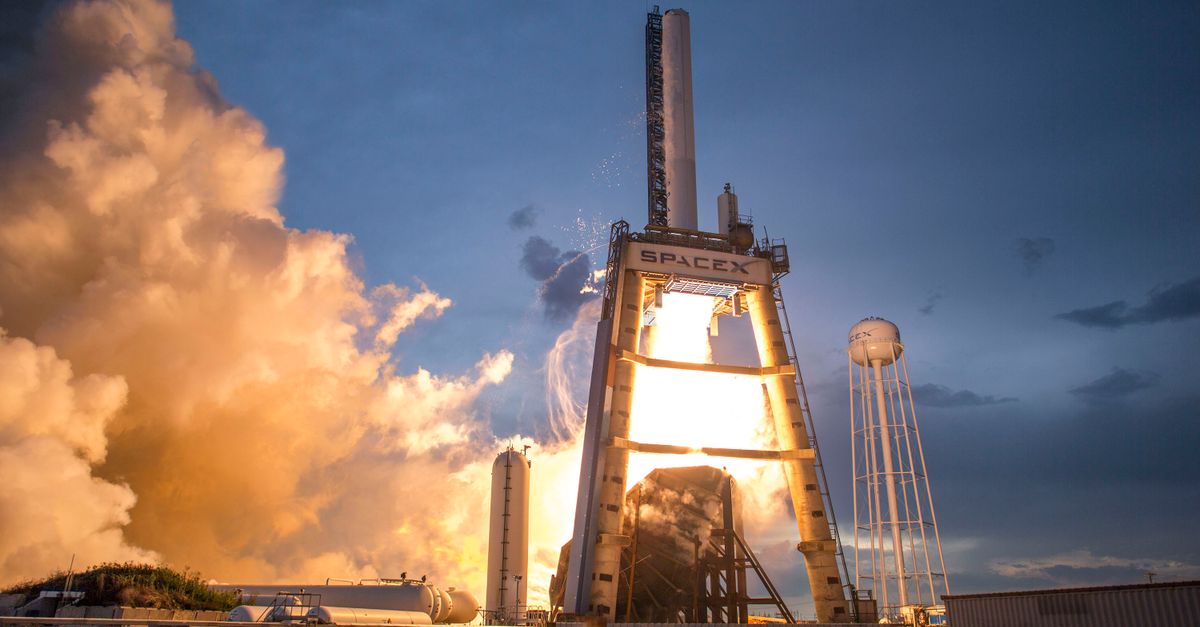
Starship's final test flight clears the way for bigger rockets
SpaceX’s Oct 13 Starship test ends Version 2, NASA rescues stranded ISS crew, and researchers warn megaconstellations could thin Earth’s magnetosphere.
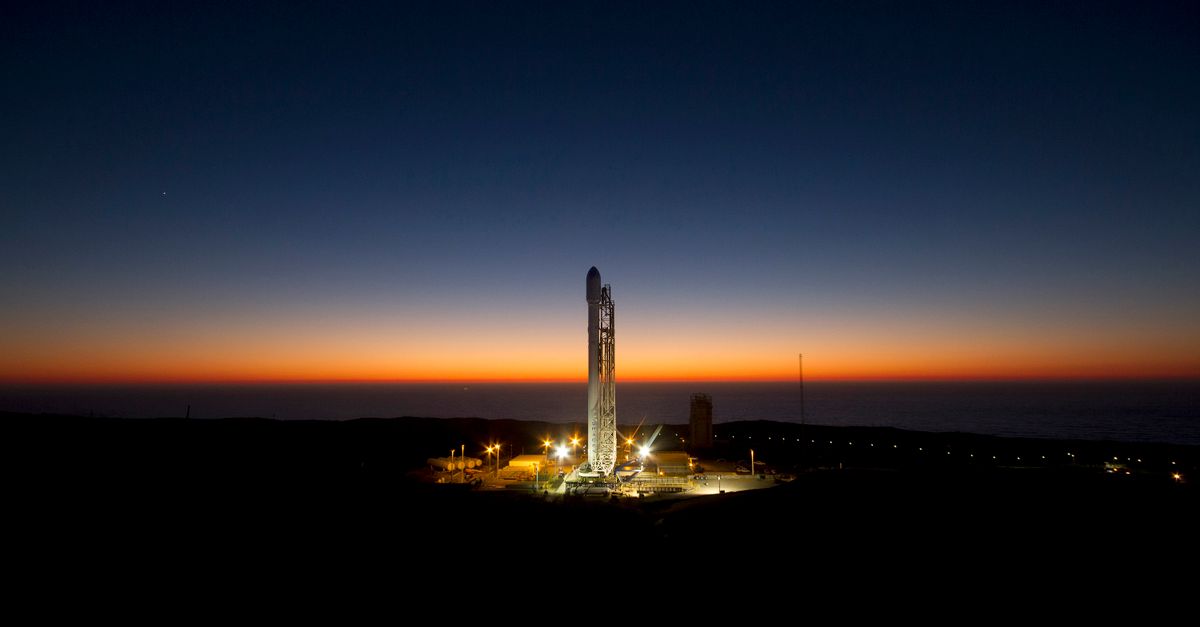
Europe Goes Solo on Venus Mission as NASA Shifts Funding Focus
NASA pulls a radar instrument, prompting Europe to pursue its Venus probe alone while the agency asks states for money.