

iPhone 18 Pro’s variable aperture sparks repair worries

Variable aperture meets repair reality
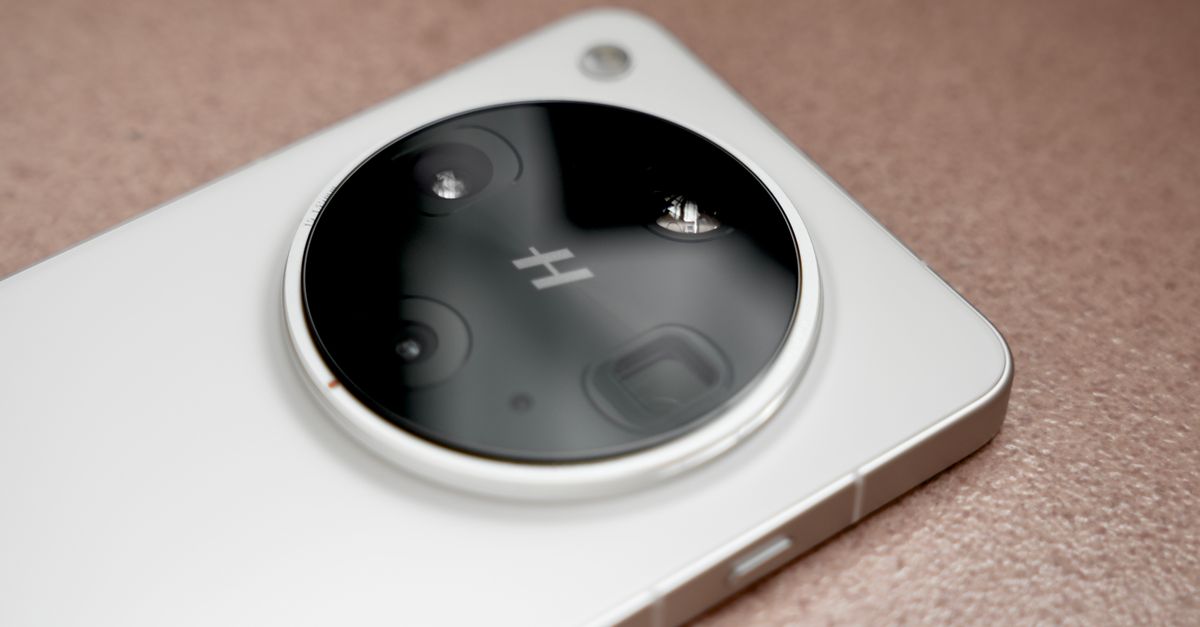
iFixit’s teardown of the iPhone 18 Pro puts the variable‑aperture camera front and center. The mechanism swaps between f/1.5 and f/2.2 lenses depending on lighting. The hardware is a clear evolution from the fixed aperture of the iPhone 17 series. While the optics look impressive, the teardown also flags a potential repair snag: the display assembly now integrates the aperture module, making panel replacement more complex.
The report notes that the adhesive layers around the aperture housing are tighter than previous generations. Technicians may need to cut into the display to access the lens assembly, increasing the risk of damage. iFixit did not confirm a failure rate, but the design choice raises a red flag for third‑party repair shops that already struggle with iPhone glass swaps. The repair community will have to weigh the cost of new tooling against the premium price of the device.
iOS 27’s 30‑plus speed upgrades
Apple ships iOS 27 to every iPhone 18 owner, and the update claims more than 30 ways to make the phone faster. The rollout includes a revamped kernel scheduler, a leaner memory‑management subsystem, and a tightened graphics driver stack. Benchmarks posted by Apple show up to a 12 % lift in app launch times and a 9 % reduction in UI jitter.
The performance boost is not limited to raw speed. Background task throttling now respects a tighter power budget, which translates into smoother multitasking on the 6.7‑inch Pro Max display. The update also trims the time it takes to switch between apps, a benefit that becomes noticeable when using the new iPhone Duo’s split‑screen mode. Apple’s own notes list the changes, but the company stops short of quantifying the impact on battery life.
iPhone Duo forces a software gamble
The iPhone Duo, announced alongside the iPhone 18 line, introduces an inner display that expands the usable screen area. To tap that real estate, every app must be compiled for iOS 27.0 or later. Apple’s developer portal now requires a minimum SDK version of 27.0 for submission, and the new tab bar and UI components live in iOS 27.1.
Developers face a two‑step rebuild: first, a baseline compilation for 27.0, then an optional update to 27.1 to unlock the Duo‑specific UI. The requirement is a departure from Apple’s usual backward‑compatible approach, where a single binary can run on multiple OS versions. Critics warn that the forced recompilation could leave many apps stuck with black bars on the Duo’s inner screen until developers ship updates.
The risk is not merely aesthetic. Some third‑party productivity tools rely on custom view hierarchies that do not gracefully degrade when the inner display is hidden. If developers miss the 27.1 deadline, users may see unusable UI fragments, effectively reducing the Duo’s value proposition. Apple’s gamble hinges on rapid developer adoption; the company has not disclosed any incentive program to accelerate the rebuild.
Pro Max’s battery forces new shipping rules
The iPhone 18 Pro Max carries a battery that is physically larger than any previous iPhone. Apple’s support document released today describes the cell as “significantly larger,” necessitating special handling during transit. The document outlines new packaging dimensions and a weight threshold that triggers carrier‑level freight classification.
The larger cell translates into a measurable jump in talk‑time and video playback, though Apple has not published exact watt‑hour figures. The shipping requirement hints at a supply‑chain ripple: carriers may need to allocate more cargo space per unit, and logistics partners could see higher freight costs. Apple’s internal memo, leaked to 9to5Mac, suggests the battery size was a deliberate trade‑off to offset the power draw of the variable aperture and the more demanding iOS 27 kernel.
What to watch next
The next quarter will reveal whether the repair community can adapt to the aperture‑integrated display, and whether third‑party repair prices rise accordingly. iOS 27’s performance claims will be tested by independent benchmark sites; any deviation from Apple’s numbers could reshape the narrative around software‑driven speed gains. Developers’ response to the Duo recompilation mandate will be the litmus test for Apple’s software gamble—watch the App Store for a surge of “Duo‑ready” tags. Finally, carriers’ handling of the Pro Max’s oversized battery will surface in shipping cost disclosures, offering a concrete measure of how hardware scaling impacts the broader ecosystem.
Related Articles
Google adds AI to Android with Health 5.08 and Find Hub update
Google rolls out Health 5.08 and a Gemini‑powered Remembered tab in Find Hub, tightening AI across Android.
Apple adds $5 monthly fee for iPhone Handoff on T‑Mobile
Apple bundles iPhone Handoff with iOS 27 but charges T‑Mobile users $5 a month, sparking debate over continuity costs and carrier lock‑in.
Apple’s Fall Blitz Mixes New Gear, TV Marathons
Apple drops a four‑week TV premiere marathon, launches Watch Ultra 4, Series 12 and AirPods 5, and faces app and listening concerns with the upcoming iPhone Duo.