

Starlink spectrum, Let's Encrypt certs, Amazon VPC upgrades

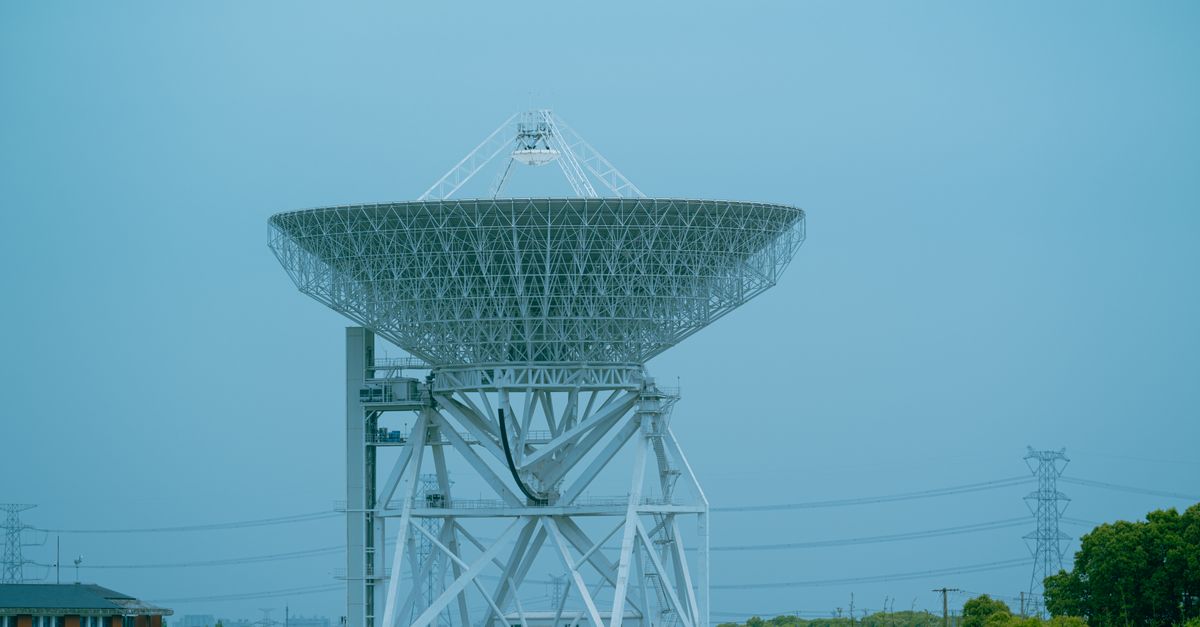
Starlink secured a nationwide 800 MHz block to push indoor mobile coverage, while Let’s Encrypt trimmed SSL certificate lifetimes to 64 days and Amazon broadened VPC connectivity to the public internet. These moves hit the core layers of connectivity, identity, and cloud networking in a single week.
The spectrum deal gives Starlink a contiguous 800 MHz band across the United States, a band traditionally used for cellular service. Let’s Encrypt announced that, starting February 2027, its free TLS certificates will expire after 64 days instead of the current 90‑day window. Amazon’s latest VPC update removes the requirement for an IPsec VPN and lets customers attach public subnets that route directly to the internet. Together they reshape how devices authenticate, how clouds expose services, and how satellite operators compete with terrestrial carriers.
Starlink’s spectrum win
Starlink’s acquisition of the 800 MHz band removes a key barrier to indoor mobile service. The frequency range penetrates walls better than higher bands, meaning a satellite‑backed network can reach apartments and office buildings without dense ground infrastructure. The deal is positioned as a direct challenge to AT&T, T‑Mobile, and Verizon, which dominate the same spectrum for 5G deployments.
Industry analysts note that the spectrum grant does not guarantee immediate coverage; Starlink must still deploy user terminals that can operate on the lower band. The company’s existing flat‑panel dishes already support higher frequencies, so hardware revisions will be required. If the rollout succeeds, customers could see a satellite‑backed LTE‑like experience inside buildings that are currently dead zones for traditional carriers.
Let’s Encrypt shortens cert lifetimes
Let’s Encrypt will begin issuing certificates that expire after 64 days, a 28‑day reduction from the current policy. The change is slated for February 2027 and applies to all free TLS certificates the nonprofit issues. The organization argues that shorter lifetimes limit the window for compromised keys to be abused and align its practice with industry recommendations.
Critics point out that the tighter renewal cadence adds operational overhead for administrators who automate certificate management. However, most modern deployments already rely on automated tools like Certbot, which can handle daily checks without manual intervention. The net security benefit, according to the nonprofit, outweighs the modest increase in automation complexity.
Amazon VPC goes public
Amazon announced that Virtual Private Cloud can now be accessed directly from the internet, eliminating the need for a VPN tunnel to a corporate datacenter. Previously, VPCs were isolated sections of the AWS cloud reachable only through an IPsec VPN. The new model lets users define a public‑facing subnet for web servers that receive inbound traffic, while keeping backend databases in private subnets without internet exposure.
The update also preserves the granular controls that VPC users expect: custom IP address ranges, subnet creation, route‑table configuration, and gateway selection remain under user control. By exposing a VPC directly to the internet, AWS lowers the barrier for workloads that need hybrid connectivity without maintaining separate VPN appliances. The change expands VPC use cases from pure internal workloads to mixed public‑private architectures.
Implications for the internet stack
The three announcements converge on a common theme: tighter integration of edge, security, and cloud layers. Starlink’s spectrum grant could force terrestrial carriers to defend market share with more aggressive pricing or new spectrum acquisitions. Meanwhile, Let’s Encrypt’s shorter cert windows push the industry toward fully automated renewal pipelines, a shift that could expose mis‑configured automation as a new failure mode.
Amazon’s VPC expansion blurs the line between private cloud and public internet services. By allowing direct internet ingress, AWS invites developers to expose services without a separate bastion host or VPN gateway. This reduces latency for public APIs but also raises the stakes for proper network segmentation and firewall rules. In a landscape where satellite, TLS, and cloud networking each evolve faster than the last, operators will need to synchronize updates across these layers to avoid security gaps.
What to watch
Watch for Starlink’s first indoor coverage pilots and any regulatory response from the FCC, which could set precedent for future satellite spectrum allocations. Track Let’s Encrypt’s adoption metrics after February 2027 to see whether the 64‑day window drives measurable reductions in certificate‑related incidents. Finally, monitor AWS customers’ migration patterns as they re‑architect VPCs for direct internet exposure, especially any spikes in security incidents tied to mis‑configured public subnets. These data points will reveal whether the upgrades translate into real‑world performance gains or simply add new operational complexity.
Related Articles

AWS drops NDAs, Meta opens Muse, Glasses stay same
AWS ends data‑center NDAs, Meta releases free Muse code, and Meta Glasses Nova 3 offers only marginal upgrades.

Wi‑Fi 8 shifts focus from raw speed to reliability
Wi‑Fi 8 abandons the speed race, targeting steadier connections and forcing network tools to adapt.

AWS Codex billing bug, AI book raids, EU copyright shift
A bug on AWS Bedrock inflates Codex fees, AI firms threaten rare books, and EU courts rule AI output uncopyrightable.