

Linux and Cloud Gaming Redefine the PC Landscape

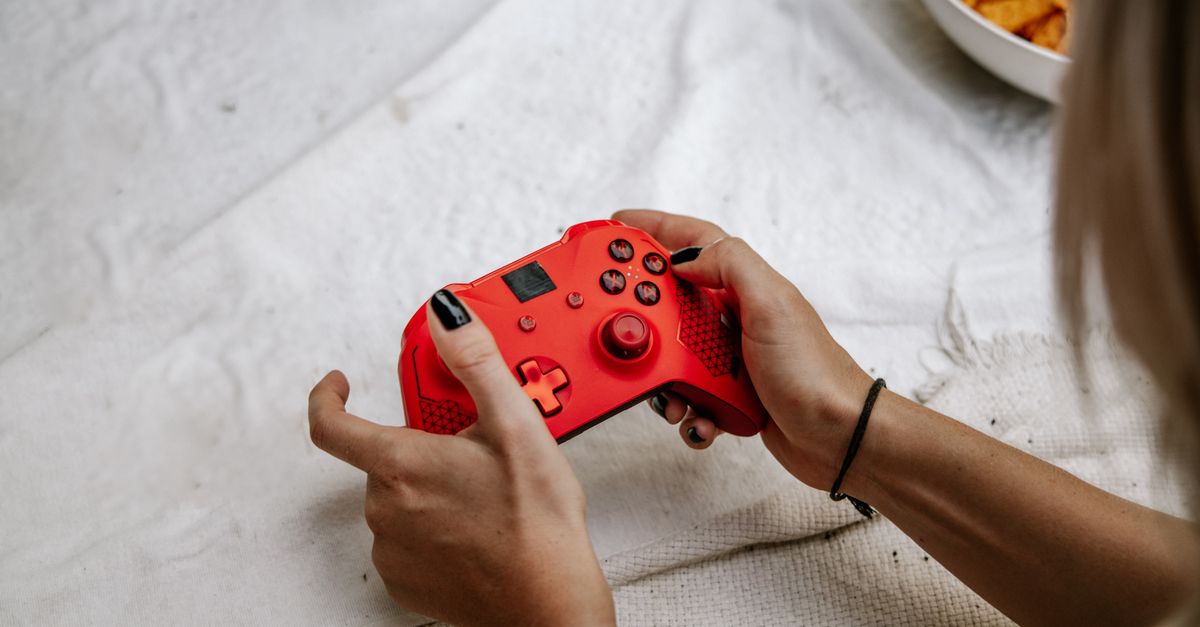
Photo by ROMAN ODINTSOV on Pexels
Ray tracing still taxes PCs, but alternatives are gaining traction
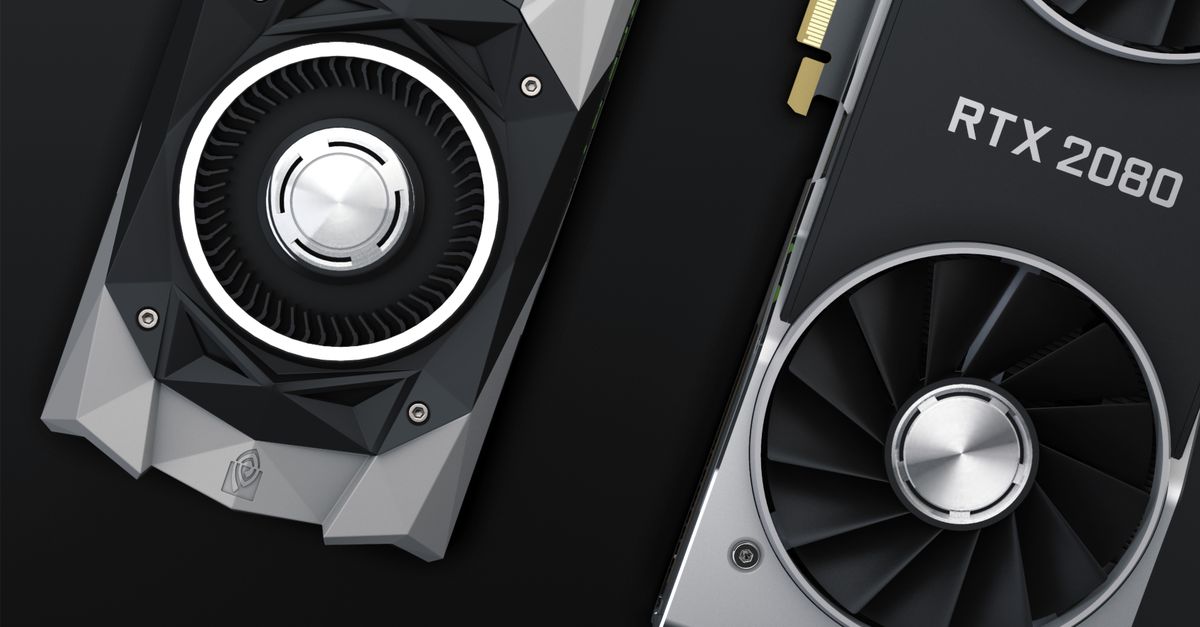
Ray tracing forces GPUs to calculate every light bounce, and the horsepower demand spikes. The Engadget piece notes that only high‑end rigs can sustain playable frame rates. The same week, Star Wars: Galactic Racer hit consoles, PC, and Amazon Luna as a free‑to‑play title. Luna’s cloud‑based delivery sidesteps the need for a ray‑tracing‑capable box, letting anyone with a modest internet connection jump into the race.
Linux’s kernel‑level win with NTSYNC
In March 2026 Linux crossed five percent of Steam’s user base, a record high for the OS. The surge coincided with Windows 10 reaching end‑of‑support last October, pushing users toward alternatives. Valve’s Proton and CodeWeavers’ Wine have long hidden Windows quirks behind translation layers. The new NTSYNC driver embeds Windows‑specific synchronization primitives directly into the Linux kernel. Because the driver loads by default on every up‑to‑date Steam Deck, games no longer rely on emulated paths like esync or fsync. Modern titles juggle rendering, physics, audio, AI, and input across dozens of cores. Coordination failures cause stutters or crashes. NTSYNC gives the kernel a native answer to the same API calls games already issue, eliminating a whole class of emulation overhead. The kernel‑level approach mirrors an earlier Linux addition that supplied native multi‑event waiting, another feature Windows had for years. Those incremental kernel upgrades have turned Linux from a novelty into a serious gaming platform.
Apple silicon gets a Linux gaming toolkit
Asahi Linux announced an alpha toolkit that stitches Vulkan 1.3 drivers, x86 emulation, and OpenCL 3.0 together for M1/M2 hardware. The release notes claim Control runs well out of the box. Apple’s ARM chips use 16 KB memory pages, while most x86 games assume 4 KB pages. Asahi solves the mismatch by spawning a tiny virtual machine with a 4 KB page size, then passing the GPU and controllers through. The result: a user can launch Fallout 4 on an M1 while the host OS stays happy with its native page size. The toolkit also adds a Vulkan‑based DXVK layer, allowing DirectX games to talk to the GPU via Vulkan extensions. Tessellation, geometry shaders, and robustness features are emulated with compute shaders and clever address tricks. The developers admit geometry shaders are slow, but they are “fast enough” for titles like Ghostrunner. Memory overhead remains a concern. The Asahi guide warns that most games need 16 GB of RAM to absorb the emulation cost. Still, the ability to run Windows binaries on Apple silicon without a full Windows VM is a step change for the platform.
Handheld experiments and cloud rigs expand the market
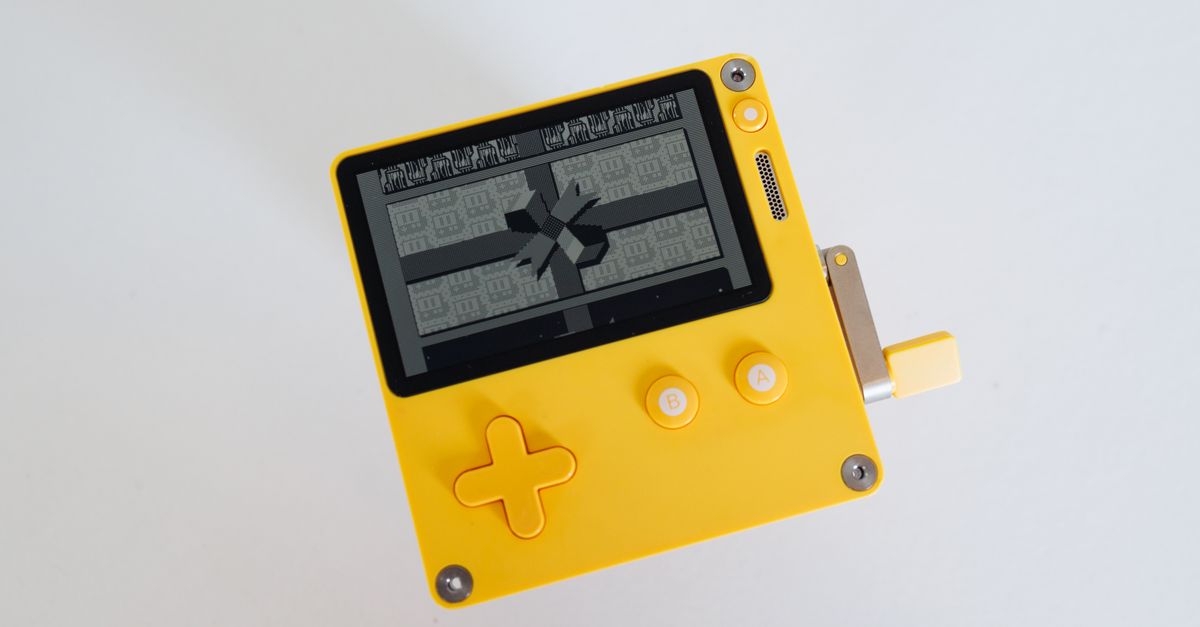
Panic’s Playdate proves that novelty can coexist with serious game delivery. The device sports a reflective black‑and‑white screen, a side‑mounted crank, and a weekly drip of two new games for twelve weeks—twenty‑four games total. No backlight means the screen doubles as a low‑power clock when idle. The Playdate SDK is free, and developers can sideload games via a web‑based Pulp maker. A desktop Mirror app streams gameplay to macOS, Windows, or Linux, making recording and alternative controller use trivial. On the cloud side, a community guide shows how to spin an EC2 instance into a high‑end gaming rig for $0.53 per hour. At that rate, 1 850 hours of play cost the same as a $1 000 gaming PC. The setup uses Nvidia’s NvFBC for H.264 encoding, disables the default display driver, and installs a GRID‑compatible GTX Titan X driver. A 30 Mbit+ connection with sub‑50 ms latency to the nearest Amazon datacenter is the only network requirement. Both Playdate and EC2 illustrate a shift: hardware is no longer the sole gatekeeper. Developers can reach players through streamed sessions, weekly content drops, or cross‑platform SDKs.
GOG’s Linux push signals broader industry confidence
VideoCardz reported a senior‑engineer job posting for GOG Galaxy’s Linux port. The client currently runs on Windows and macOS; the posting calls Linux “the next major frontier.” GOG’s move follows the broader trend of native Linux clients gaining traction. With Proton handling most Windows games, a native client can focus on library management, community features, and optional Linux‑specific tweaks. The hiring notice mentions a large, complex C++ codebase that will be shaped with Linux in mind from day one. If GOG delivers a stable Linux client, it could encourage other storefronts to follow, further closing the historic catch‑22 where developers avoided Linux because gamers didn’t use it.
What to watch next
Watch Valve’s next kernel‑level contribution. If NTSYNC proves stable, the Linux kernel may absorb more Windows‑centric APIs, tightening the performance gap. Track Asahi Linux’s beta releases; each new Vulkan extension or page‑size workaround expands the catalog of playable titles on Apple silicon. Finally, monitor GOG’s Linux client launch schedule. A public beta would signal that major storefronts are finally treating Linux as a first‑class platform rather than an afterthought.
Updates
- 2026-10-13 — Here’s the full list of OnePlus devices getting Android 17, but it’s not OxygenOS (source)
Related Articles
Linux Gaming Hits 5% of Steam Users
Linux reaches a 5% share of Steam users in March 2026, prompting new kernel drivers, cloud rigs, and niche hardware to rethink value and competition.

AI Game Experiments, Vertical TV, and Handheld Retro Revivals
From Google’s AI Playground games to Vurt’s TV‑first vertical series, Anbernic’s dual‑screen handheld and Steam Frame’s repair snag, we map the shifting media frontier.
RTX 4090 runs 125B AI model as old AMD cards get Linux boost
A 125‑billion‑parameter model now runs on a consumer RTX 4090, while Valve revives legacy AMD GPUs and industry debates hard budget caps.