

Google pushes privacy, hardware mix

Google rolled out three distinct updates this week: a privacy tweak for Chrome, a new Shop Devices tab that pairs Samsung phones with Pixel gear, and Chrome 155’s expanded web‑app integration, while Android Auto 18.0 nudged its redesign forward. The moves signal a tighter grip on data, a broader hardware storefront, and a deeper push for web‑first experiences on Android.
Chrome users can now make their browsing data harder to harvest. Google’s own guidance notes that the browser still collects activity, but offers settings to limit that flow. Android Auto’s 18.0 build arrived on compatible head units, continuing a silent redesign that insiders have dubbed “Cielo.” Meanwhile, the Google Store now lists Samsung Galaxy smartphones alongside Pixel phones and watches, a first for the retailer.
Chrome privacy gets a practical nudge
The latest Chrome guidance admits the browser’s data collection is extensive, yet it points users to toggle options that curb the bleed. Turning off “Sync” or restricting “Third‑party cookies” are no longer hidden in submenus; they sit on the main settings page. For power users who already audit their telemetry, the change feels like a modest win rather than a revolution.
What the update does not do is stop Google from aggregating anonymized usage signals. The company still benefits from the data to refine ad targeting and AI models. The practical impact is that a determined user can now block a larger slice of the pipeline without hunting through obscure flags. That trade‑off—more control for a fraction of the data—will likely please privacy‑conscious engineers while leaving the bulk of Chrome’s audience unchanged.
Google Store sells Samsung alongside Pixel
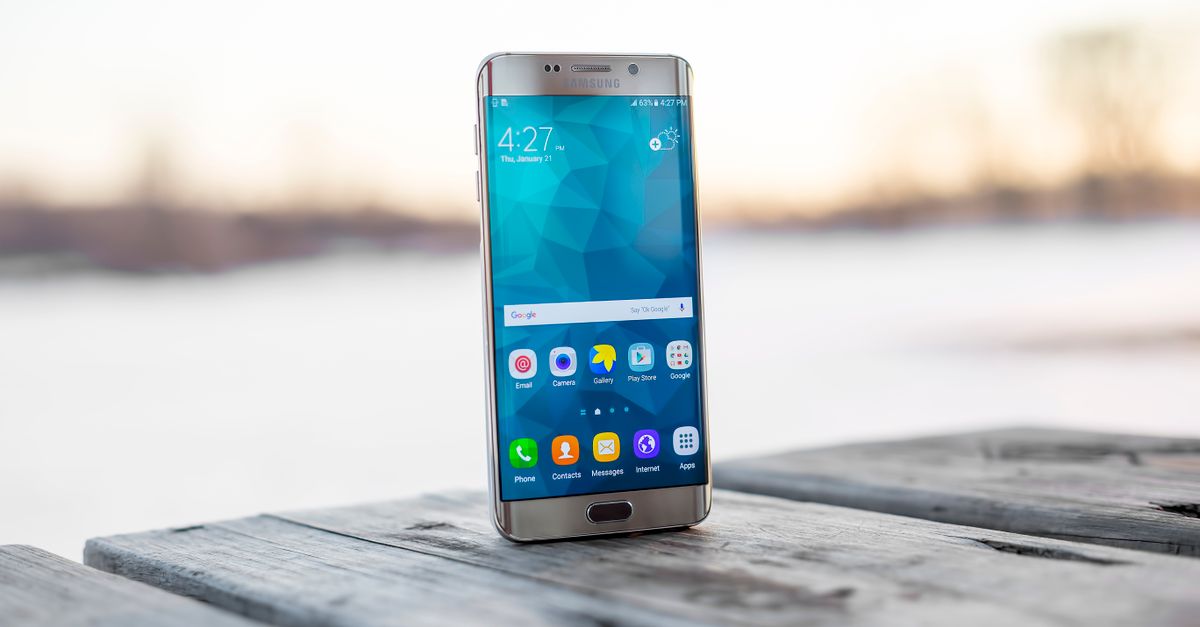
The new “Shop devices” portal on the Google Store now lists Samsung Galaxy smartphones next to Pixel phones and watches. Shoppers can add a Galaxy phone to a cart that also contains a Pixel Watch, and the checkout process treats both as first‑party purchases. This blurs the line between Google’s own hardware and partner devices, a shift from the store’s historic Pixel‑only focus.
For Samsung, the move offers a direct channel to consumers already comfortable buying from Google’s ecosystem. For Google, it expands the store’s inventory without the overhead of manufacturing the devices. Critics may argue the partnership dilutes the Pixel brand, but the practical effect is a more convenient one‑stop shop for Android enthusiasts who already juggle multiple manufacturers.
Chrome 155 expands web‑app installations
Chrome 155, released for the Googlebook line, now supports expanded installation of web apps and tighter system integration. Where earlier versions treated web apps as lightweight bookmarks, the new build lets them appear alongside native apps in the launcher and request deeper OS permissions.
Developers can ship Progressive Web Apps that behave almost like native binaries, with offline capabilities and background sync. The change nudges the web‑app ecosystem toward parity with Android’s APK model, potentially reducing the incentive to build separate native packages. For users, the payoff is a cleaner app drawer and fewer redundant installations.
Android Auto 18.0 rolls out amid redesign rumors
Android Auto’s 18.0 update began rolling out to compatible head units this week. The build includes UI refinements and a handful of new driver‑focused shortcuts, but its most significant aspect is the continuation of a behind‑the‑scenes redesign rumored to be code‑named “Cielo.”
The redesign aims to overhaul the visual hierarchy and interaction model, moving away from the button‑heavy layout that has drawn criticism from drivers seeking a less distracting experience. While the current rollout does not expose the full redesign, the incremental changes hint at a more streamlined interface that could arrive later this year.
The broader strategic picture
Google’s quartet of updates reflects a consistent theme: tightening the feedback loop between hardware, software, and data. By making Chrome privacy settings more accessible, the company acknowledges regulatory pressure while still harvesting enough signals to power its ad engine. The Shop Devices tab signals a willingness to monetize partner hardware without building every device in‑house.
Chrome 155’s web‑app push aligns with Google’s long‑standing bet that the web can replace native apps for many use cases, a strategy that reduces fragmentation across Android devices. Android Auto’s incremental redesign shows Google is still refining the in‑car experience, a market where Apple CarPlay currently dominates.
What to watch: The next Chrome release should reveal whether Google tightens privacy further or simply adds more toggles. Samsung’s sales metrics on the Google Store will indicate if the partnership reshapes purchase behavior. Finally, Android Auto’s “Cielo” redesign is slated for a major UI overhaul—track the rollout schedule for version 19.0 to see if the new interface lands as promised.
Related Articles

Google Unveils Gemini Robotics 2 with AI-Powered Robots
Google unveiled Gemini Robotics 2, patched Pixel battery drain, expanded Voice subscriptions, and added Chrome tweaks, signaling a broader AI rollout.

Google expands privacy age assurance for Android
Google opens its Play Age Signals API, pilots U.S. age assurance, and releases zero‑knowledge proof tools to help developers protect under‑18 users.

Amazon AI images, Google water pledge, Chrome mute update
Amazon adds AI‑generated product images to search, Google vows to replenish more water than its data centers use, and Chrome 64 lets users mute autoplay videos.