

Google pushes firmware, local Matter, and Gemini AI changes

Google is testing a large firmware update for its older Home speakers, expanding local Matter control in the Home app, and removing Pro model access from Gemini AI Plus subscriptions. The moves signal a shift in how Google sustains legacy hardware, tightens smart‑home integration, and reshapes its AI pricing tier.
The firmware rollout targets Google Home, Home Mini, Nest Mini, and Nest Audio devices. The Home app now offers local‑network Matter control for Philips Hue lights. Gemini AI Plus members received emails warning that next month their subscription will drop the advanced models, leaving only the Flash tier. All three actions were reported by 9to5Google.
Firmware update for legacy Home devices
Google announced a test of a big firmware update for the original Home speaker, the Home Mini, the Nest Mini, and the Nest Audio. The update is described as “big” in internal communications. It arrives while the devices sit on the edge of their support window.
Older speakers still handle voice commands for many users. A firmware bump can patch security flaws, improve wake‑word detection, and extend compatibility with newer services. Google has not detailed the exact changes, but the test phase suggests the company wants to avoid a forced hardware replacement cycle.
Local Matter control in the Home app
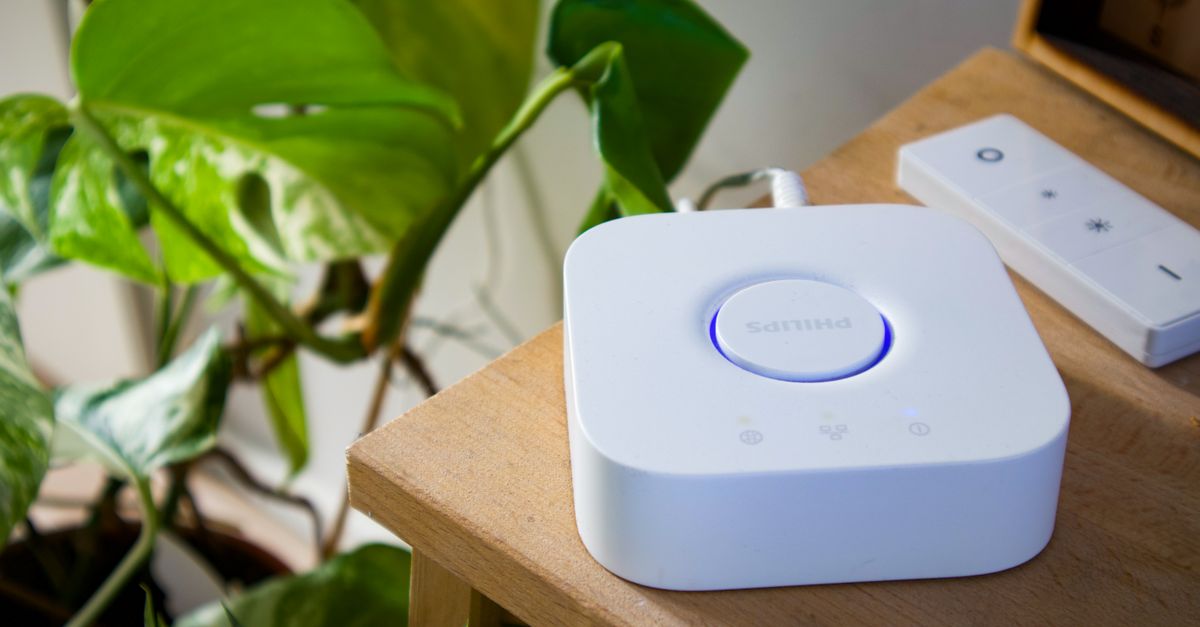
The latest Home app version adds local network control for Matter devices. Philips Hue lights are the first brand highlighted in the rollout. The feature lets the app talk directly to lights over the LAN instead of routing through the cloud.
Local control cuts latency and reduces reliance on external servers. It also aligns with Matter’s goal of a unified, interoperable smart‑home protocol. By handling commands on‑premises, Google sidesteps potential privacy concerns tied to cloud processing. The move mirrors similar efforts from Apple and Amazon, which have also pushed local Matter paths.
Gemini AI Plus subscription changes
Google began emailing Gemini AI Plus subscribers to announce that, starting next month, the tier will no longer include the Pro models. The only remaining option within the subscription is the Flash model. The notice came without a public blog post, relying on direct communication.
Subscribers who relied on the Pro models now face a downgrade in capability. Flash offers a smaller model with fewer parameters and lower performance. The change could push power users toward the paid Pro tier or force them to seek alternatives. Google has not explained the rationale beyond the email notice.
Industry context and technical implications
Firmware updates remain a primary tool for extending the life of IoT hardware. Vendors use them to patch vulnerabilities, add features, and maintain market relevance without new silicon. Google’s test reflects a broader industry pattern of supporting legacy devices while shifting focus to newer ecosystems.
Matter’s emergence has accelerated the push for local control. The protocol promises device‑agnostic communication, but many implementations still rely on cloud relays. Google’s local Matter support for Hue lights demonstrates a concrete step toward the protocol’s latency and privacy promises.
AI subscription models are still in flux. Companies experiment with tiered access to large language models, balancing compute cost against user demand. Google’s decision to strip Pro models from the AI Plus tier highlights the financial pressure of offering high‑end models at scale. Competitors such as OpenAI and Anthropic are watching these moves closely, as pricing strategies could set market expectations.
What to watch
Track the rollout speed of the firmware update across the four speaker lines. Watch for user reports on stability and new feature activation. Monitor adoption metrics for local Matter control, especially how quickly third‑party lights follow Philips Hue’s lead. Finally, keep an eye on Gemini AI Plus subscriber churn and any official statement from Google about future tier adjustments.
Related Articles

Google adds Live AI search to Gmail for AI Pro users
Gmail’s new AI‑driven search launches for Google AI Pro subscribers, highlighting a broader split in Google’s AI subscription model.

Google adds agentic AI to Gemini, shifts enterprise focus
Google turns Gemini into an AI agent that can plan, execute tasks, and interface with business apps, while its CEO warns AI progress is slowing.
Android 17 rollout bumps into Samsung, Wallet redesign
Google's Android 17 push faces Samsung incompatibility while rolling out Wallet UI changes, Pixel Buds firmware, and an offline AI note‑taking app for Mac.