

Lenovo discounts, Volvo‑Nvidia drive, and Epic’s faster launcher

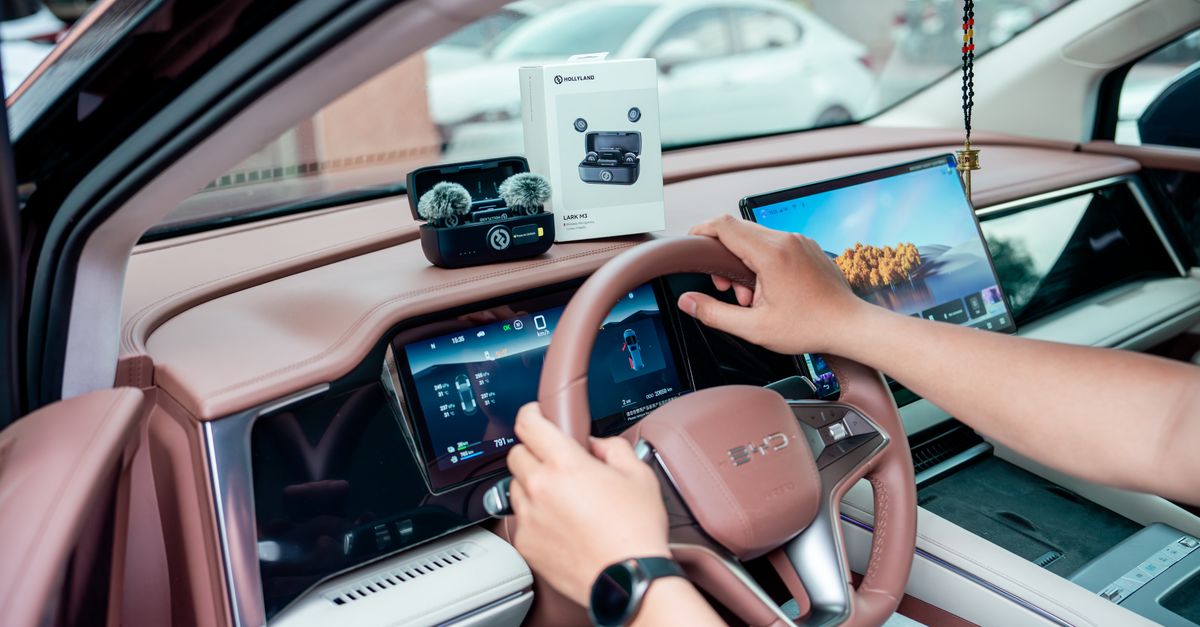
Photo by Sinan KRIYA on Pexels
Discount codes hit the hardware aisle
A gamer on a Discord stream bragged that a new Epic preview loaded The Witcher 3 in under three seconds, while a freelance developer posted a screenshot of a Lenovo ThinkPad price tag slashed by 15%. Both moments happened in early October and both were driven by a simple lever: a coupon code.
WIRED listed a 15% off Lenovo coupon for October 2026 that applies to ThinkPad laptops, Yoga convertibles, and Legion gaming rigs. The same outlet ran a Design Within Reach promotion offering 30% off, 20% off, free shipping, and up to 50% off furniture. The discounts are time‑boxed, clearly labeled for October, and target power users who are already primed to spend on premium gear.
These offers aren’t just retail fluff. For engineers and founders, a 15% reduction on a high‑end ThinkPad can mean the difference between a $2,200 workstation and a $1,870 budget. Design Within Reach’s furniture cuts can free up office cash for cloud services or prototype hardware. The promotions are concrete, time‑specific, and tied to product lines that matter to the audience.
Volvo expands Nvidia partnership beyond EVs
Volvo announced an expansion of its nearly decade‑long partnership with Nvidia, extending the collaboration from its battery‑electric models into its broader vehicle lineup for hands‑free automated driving. The move signals Volvo’s intent to embed Nvidia’s DRIVE platform across more chassis, aiming for Level 3 autonomy that lets drivers take their eyes off the road under certain conditions.
TechCrunch reported that the partnership will now cover Volvo’s internal combustion engine (ICE) models as well as its hybrids, meaning Nvidia’s AI chips will process sensor data, map the environment, and make real‑time decisions across a wider fleet. The deal deepens a relationship that began with Nvidia supplying GPUs for Volvo’s early electric prototypes. By moving the AI stack into ICE vehicles, Volvo hopes to amortize Nvidia’s silicon costs while offering a consistent driver‑assist experience.
The strategic shift matters because hands‑free driving is still a niche feature in most markets. Volvo’s brand credibility in safety gives the Nvidia platform a high‑visibility testbed. If the integration succeeds, other OEMs may follow, accelerating the industry’s march toward broader Level 3 deployments.
Epic’s new launcher claims speed edge over Steam
Epic Games released a “Preview” version of its Epic Games Launcher that it touts as faster than Valve’s Steam client. Ars Technica noted that the preview app boots in seconds and launches games with noticeably lower latency, a claim that could sway developers who currently bundle with Steam.
Epic warned that the preview will have bugs, but the performance promise is clear: a leaner launcher architecture and tighter integration with Epic’s own services reduce overhead. The company frames the speed boost as a competitive advantage, positioning itself as the leaner alternative to Steam’s bloated client.
For power users who juggle multiple launchers, a faster startup can shave minutes off daily workflows. For developers, the performance claim could translate into higher user retention, especially for titles that already rely on Epic’s distribution network for revenue sharing.
The twin tactics: price cuts and performance claims
The three stories illustrate a common playbook: tech firms either lower the price barrier or raise the performance ceiling to win over a sophisticated audience. Lenovo and Design Within Reach use time‑limited coupons to lower the entry cost for hardware and workspace upgrades. Volvo and Nvidia, by contrast, raise the ceiling of what a car can do without a driver’s hands, betting on future revenue from autonomous services.
Epic’s speed claim sits in the middle. It doesn’t discount the launcher; instead, it promises a measurable productivity gain. The claim is concrete—seconds saved per launch—and directly relevant to developers and gamers who measure success in frames and load times.
Historically, discount codes have been a blunt instrument for consumer electronics. In the 2010s, manufacturers flooded the market with 10‑20% off promos during holiday sales. Today’s coupons are more targeted: they appear on niche tech sites, are tied to specific SKUs, and are announced with precise dates. The shift reflects an audience that can afford premium hardware but still watches the bottom line.
On the performance side, the race to out‑load Steam is part of a broader shift toward leaner software ecosystems. Valve’s client grew into a feature‑rich platform that now includes community hubs, mod browsers, and store fronts, which adds bloat. Epic’s leaner approach mirrors the micro‑service architecture trend in cloud computing: strip out the excess, keep the core fast.
Volvo’s partnership with Nvidia follows a similar logic: embed the most capable AI hardware to differentiate the driving experience without waiting for full autonomy to become mainstream. By extending the partnership beyond EVs, Volvo avoids the pitfall of tying advanced driver‑assist features to a limited product line.
Industry context: promotions, AI, and platform wars
The convergence of aggressive pricing and performance bets is not accidental. In a market where developers and engineers have deep pockets, the decision to buy often hinges on marginal gains—whether a laptop is 15% cheaper or a launcher saves five seconds per launch.
Nvidia’s dominance in AI hardware gives it leverage across sectors. Its DRIVE platform, originally built for autonomous vehicles, now powers everything from robotics to data‑center inference. Volvo’s deeper integration illustrates how automotive OEMs are treating AI as a core component rather than an optional add‑on.
Meanwhile, the PC hardware discount cycle has matured into a data‑driven engine. Retailers track coupon redemption rates, adjust discount percentages, and align promotions with product refresh cycles. Lenovo’s October 2026 coupon aligns with the typical back‑to‑school and holiday shopping window, maximizing exposure among engineers buying upgrades for new projects.
In the software distribution arena, the platform war has moved from price to performance. Steam’s market share still dwarfs Epic’s, but Epic’s willingness to expose a faster, albeit buggy, preview shows a willingness to gamble on user experience over immediate revenue. If the speed advantage translates into higher user engagement, Epic could carve out a niche among developers who prioritize low‑latency workflows.
The broader implication is a market where value is measured in both dollars saved and milliseconds shaved. Companies that can deliver both will capture the attention of a technically sophisticated audience that reads beyond press releases.
What to watch
Track the redemption rates of Lenovo’s 15% October coupon and Design Within Reach’s furniture discounts; a spike could signal a broader shift toward hardware upgrades among developers. Monitor Volvo’s rollout of Nvidia‑powered hands‑free driving across its ICE models—first‑generation field data will reveal whether the performance gains justify the cost. Finally, keep an eye on Epic’s full‑launch version of the preview launcher; user reports on stability and actual load‑time improvements will determine if the speed claim reshapes the PC game‑distribution landscape.
Related Articles
Grok Bot email, Nvidia talks for Reflection AI
Grok Bot can now send email, Nvidia eyes Reflection AI, and a $1.25 billion monthly SpaceX compute contract surfaces, reshaping AI access and infrastructure.

OpenAI revenue miss and math woes spark local AI surge
OpenAI's revised revenue forecast and shaky math outputs highlight growing doubts, while community‑built Lemonade offers a privacy‑first, on‑device alternative.

Mergers, Drone Threats, and Cost Crunch Redraw Tech Landscape
From sinking cargo ships to a $111 billion media merger, cost pressure and security risks force tech firms into new alliances and product cuts.