

YouTube eyes audiobooks as Spotify rewrites its app

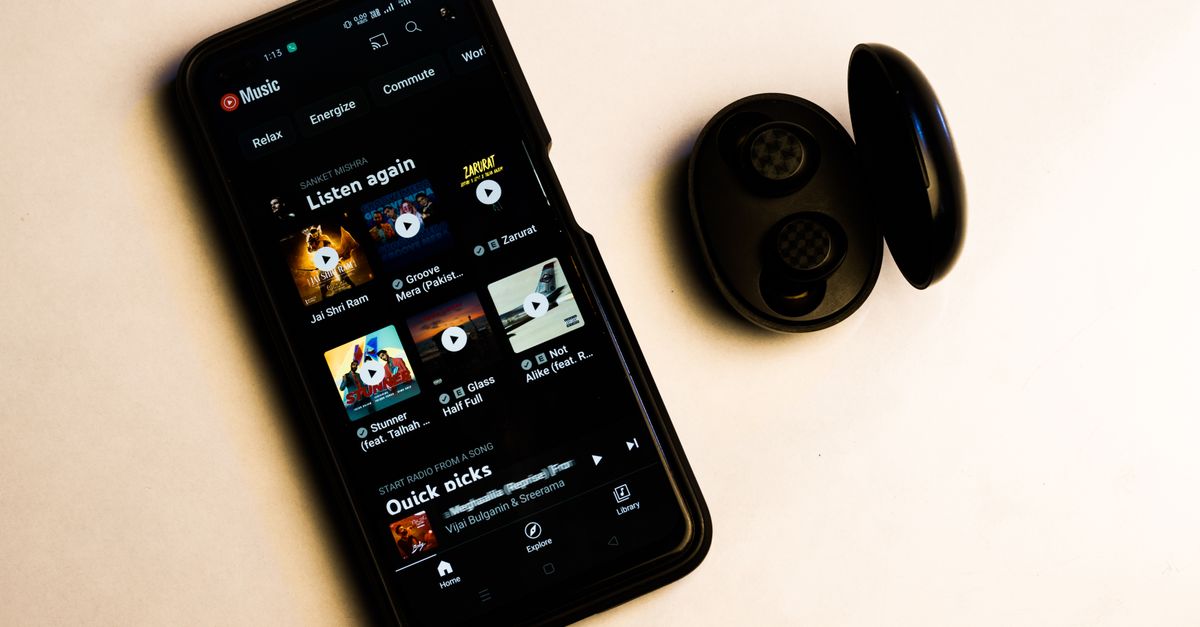
Photo by Sanket Mishra on Pexels
YouTube’s audiobook experiment
YouTube Premium may soon stream audiobooks alongside its video catalog. A 9to5Google report says the company is evaluating a dedicated audiobook tier for Premium subscribers, putting it in direct competition with Spotify’s expanding audio library.123
The report adds that YouTube would bundle audiobooks with music and video, treating the three formats as equal pillars of the service. No pricing details have emerged, and the company has not confirmed a rollout date. If the plan moves forward, the move would be the first major shift of YouTube’s content strategy since it introduced Shorts.
Audio platforms chase longer listening time
Spotify’s redesign, announced at its Stream On event, replaces the static grid of album art with a vertical feed that feels more like TikTok or Instagram. The new homescreen scrolls through autoplaying snippets of podcasts, video podcasts, and playlists, giving each item a momentary spotlight.45678
CEO Daniel Ek has long spoken about turning Spotify into a home for creators. In a 2021 interview with The Verge, he projected more than 50 million “audio creators” on the platform. The redesign is a concrete step toward that vision, carving space for podcasts, live audio, and now audiobooks.456
Both companies are chasing the same metric: minutes of engagement. Audiobooks stretch listening sessions from a few minutes to hours, inflating the ad‑free premium value proposition. The competition forces each platform to juggle discovery, UI simplicity, and bandwidth cost.
Spotify’s feed redesign as a case study
The new feed groups content by type. Tapping “Music” or “Podcasts & Shows” opens a vertically scrolling stream of cards that autoplay a preview. Below the top rows, a video podcast may start playing automatically, inviting a tap to dive deeper.456
Spotify’s engineers built the feed to surface new content without forcing users into a deep‑dive playlist. The design mirrors the swipe‑and‑skip habit billions have honed on short‑form video apps. By giving each song, podcast, or audiobook a fleeting preview, Spotify hopes to increase the click‑through rate for longer‑form content.
Critics note a tension: more autoplay means more data usage and potential annoyance. The redesign also pushes music further down the hierarchy, which could alienate users who signed up for pure music streaming. The trade‑off is clear—Spotify sacrifices a tidy music‑first experience to win attention for higher‑margin audio formats.
Free ebook services and the legal supply chain
While the big platforms scramble for premium audio, a quieter ecosystem supplies the raw text. Obooko, a free‑ebook site that boasts 800 000 registered readers, offers legal PDFs, EPUBs, and Kindle files without paywalls. The service partners directly with authors and publishers, ensuring each title is licensed for global distribution.
Obooko’s model shows that a large, free library can exist without infringing copyright, provided the platform secures proper rights. Users can read in a browser‑based reader, sync progress across devices, or download files for offline use. The site’s focus on English‑language titles keeps its catalog narrow but manageable.
The existence of services like Obooko matters because they lower the barrier for audiobook publishers to source content. If YouTube were to add audiobooks, it could tap into the same licensed titles that already circulate in free‑ebook form, reducing acquisition costs. Conversely, the legal clarity of Obooko’s catalog highlights the risk of unlicensed audio content slipping onto massive platforms.
What to watch
YouTube has not set a launch timetable, but the 9to5Google leak suggests a test phase could begin before the end of 2024.1 Watch for an official Premium update and any partnership announcements with publishers.
Spotify will roll out its new feed globally over the next few months.4 Track user retention metrics and ad‑free subscription growth to see whether the design actually lengthens listening sessions. The next quarterly earnings reports from both companies will reveal whether the audiobook push translates into measurable revenue.
Industry context and future mechanics
The push toward audiobooks reflects a broader shift in how consumers treat spoken word content. Podcast ad rates have risen steadily, and video podcasts now command production budgets comparable to TV shows. Audiobooks sit at the intersection, offering long‑form storytelling with the convenience of streaming.
Technically, delivering high‑quality audiobooks at scale requires robust CDN infrastructure and precise metadata tagging for chapter navigation. YouTube already runs one of the world’s largest video CDNs, giving it a structural advantage. Spotify, by contrast, has built a sophisticated recommendation engine for music and podcasts; extending that engine to audiobooks will demand new signal processing for narration style and pacing.
Regulators are also paying attention. The European Union’s Digital Services Act mandates transparency around algorithmic recommendations. Both platforms will need to disclose how audiobook suggestions are surfaced, especially if they prioritize proprietary titles over independent publishers.
Forward‑looking considerations
The real test will be user adoption. If YouTube can convert a fraction of its massive video audience into audiobook listeners, the platform could reshape the economics of spoken‑word media. Spotify’s redesign will be the barometer for whether a feed‑first UI can sustain longer‑form content without alienating music purists.
Stakeholders to monitor include major audiobook publishers (Audible’s parent Amazon, Penguin Random House), emerging independent narrators, and the open‑source community behind tools like Obooko’s reader. Their responses will indicate whether the market is moving toward a consolidated audio ecosystem or a fragmented landscape of niche services.
Footnotes
Related Articles

YouTube AI Labels, Ito Horror Shorts
YouTube Music rolls out AI-generated genre labels, HBO Max debuts Junji Ito horror shorts, and Riot announces the 2027 sunset of LoL Classic mode.

Spotify Adds Offline Downloads, Streaming Wars Heat Up
Spotify rolls out iOS offline downloads as US seeks to criminalize illegal streaming
Google TV’s new features, cheap streamer, and a fresh launcher
Google TV adds a batch of new features, a $60 Onn streamer offers a rare low‑price entry, and Kyu Launcher brings a minimalist UI for Android TV users.