

Linux gaming performance jumps as kernel takes over Windows sync


Photo by Daniil Komov on Pexels
Linux gaming hits 5% of Steam users, but the real win comes from the kernel
Linux crossed the five‑percent mark on Steam in March 2026, a milestone for an OS that spent two decades as a niche gaming platform. The surge follows Microsoft’s Windows 10 end‑of‑support deadline last October and the quiet conversion of millions of players via the Steam Deck, which now ships with the NTSYNC driver enabled by default.
The NTSYNC driver is a small kernel‑level module that implements the Windows‑specific synchronization tools games rely on. Before NTSYNC, Wine and its Valve‑tuned fork Proton had to emulate those tools with layers like esync and fsync, which never perfectly matched native Windows behavior. By exposing the same API calls directly in the kernel, NTSYNC lets Wine hand off coordination work without any translation step.
The Steam Deck catalyst
When Valve released the Steam Deck, it bundled a Linux‑based OS with a tuned Proton stack. The device sold in the millions without fanfare, turning casual console buyers into Linux gamers who never touched a desktop terminal. Those users automatically inherited the same Proton updates that power Steam Play on Windows, creating a feedback loop that pushed Linux further into the mainstream.
Because the Deck runs a fully up‑to‑date Linux kernel, any kernel‑level improvement—like NTSYNC—appears on the handheld instantly. That uniformity means a single driver update can benefit every Deck owner, a scale that desktop distributions struggle to match.
From Wine to the kernel: the NTSYNC breakthrough
NTSYNC replaces the emulation tricks that Wine used for thread synchronization, event handling, and mutexes. The driver implements the same system calls that Windows provides, so when a game asks for a Windows synchronization primitive, the kernel answers natively. The public API stays unchanged; developers see no new functions, only faster responses.
Performance tests reported by Valve show a noticeable lift in frame‑time consistency across titles that heavily thread‑sync, such as large‑scale shooters and open‑world RPGs. The gain is most visible on CPUs with many cores, where coordination overhead previously throttled scaling.
Prior kernel adaptations for gaming
NTSYNC isn’t the first kernel feature added because Windows games needed it. A few years back, Linux introduced a native “wait on multiple events” primitive, a capability Windows has offered for decades but Linux lacked. Wine had to simulate that behavior with awkward work‑arounds until the kernel finally provided direct support.
Those earlier changes set a precedent: when a Windows‑centric API becomes a bottleneck for Linux gamers, the kernel community steps in. The pattern mirrors the way the kernel adopted support for modern GPU memory management after DirectX demanded finer‑grained control.
The broader impact on desktop Linux gaming
Crossing five percent on Steam signals that Linux is no longer a curiosity for hobbyists. More gamers are installing Proton on their own machines, and the kernel improvements reduce the performance gap that once made Linux a second‑class citizen for AAA titles. The result is a virtuous cycle: higher performance attracts more users, which drives more developer investment, which in turn spurs further kernel work.
Valve and CodeWeavers continue to fund the core Wine developers who shepherd these changes. Their involvement ensures that future Windows‑only APIs—like advanced DirectX 12 synchronization—will have a clear path to kernel implementation rather than lingering in user‑space emulation.
What to watch
The next steps hinge on how quickly the kernel can absorb remaining Windows sync primitives. Valve has hinted at a follow‑up to NTSYNC that would cover the newer DirectX 12 fences used by titles such as Control and Cyberpunk 2077. Meanwhile, the Steam Deck’s firmware updates will keep pushing the driver stack forward, and any new kernel release that ships with expanded Windows‑compatibility layers will immediately ripple through the Proton ecosystem. Keep an eye on Valve’s Proton roadmap and upcoming Linux kernel 6.x release notes for the next wave of performance gains.
Related Articles
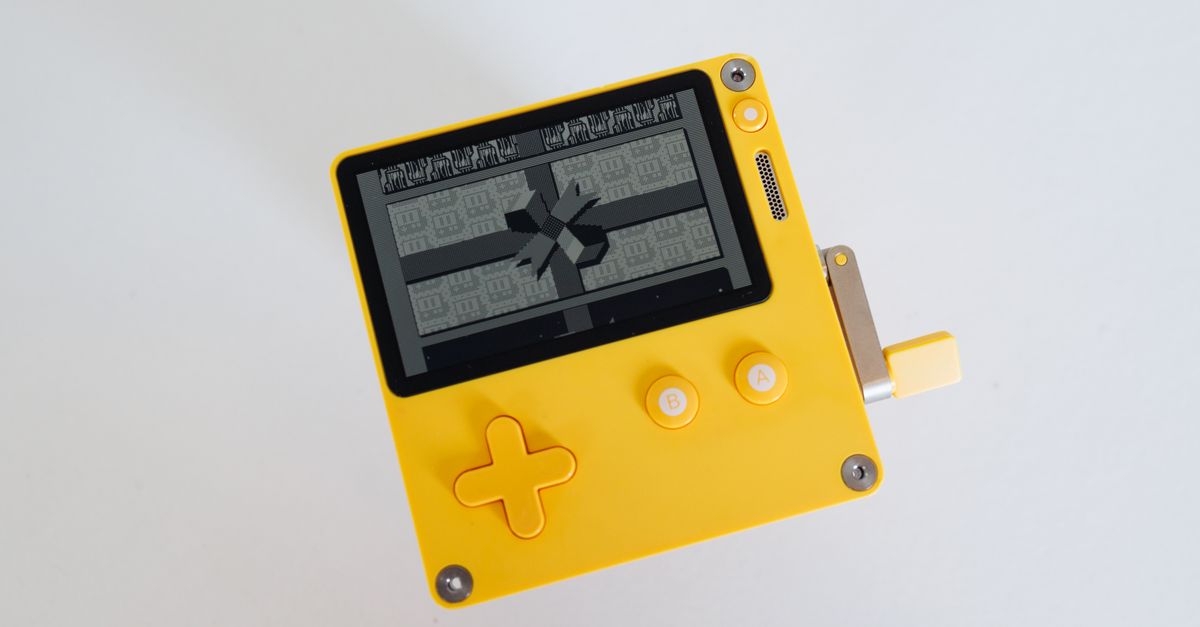
Linux Gaming Hits 5% of Steam Users
Linux reaches a 5% share of Steam users in March 2026, prompting new kernel drivers, cloud rigs, and niche hardware to rethink value and competition.

Nvidia's monster CPU, Linux process overhaul, 100k FPS Pokemon
Hacker News highlights Nvidia's massive Windows CPU proposal, a Linux fork/exec overhaul, and a WebAssembly Pokemon Emerald that hits 100,000 FPS.
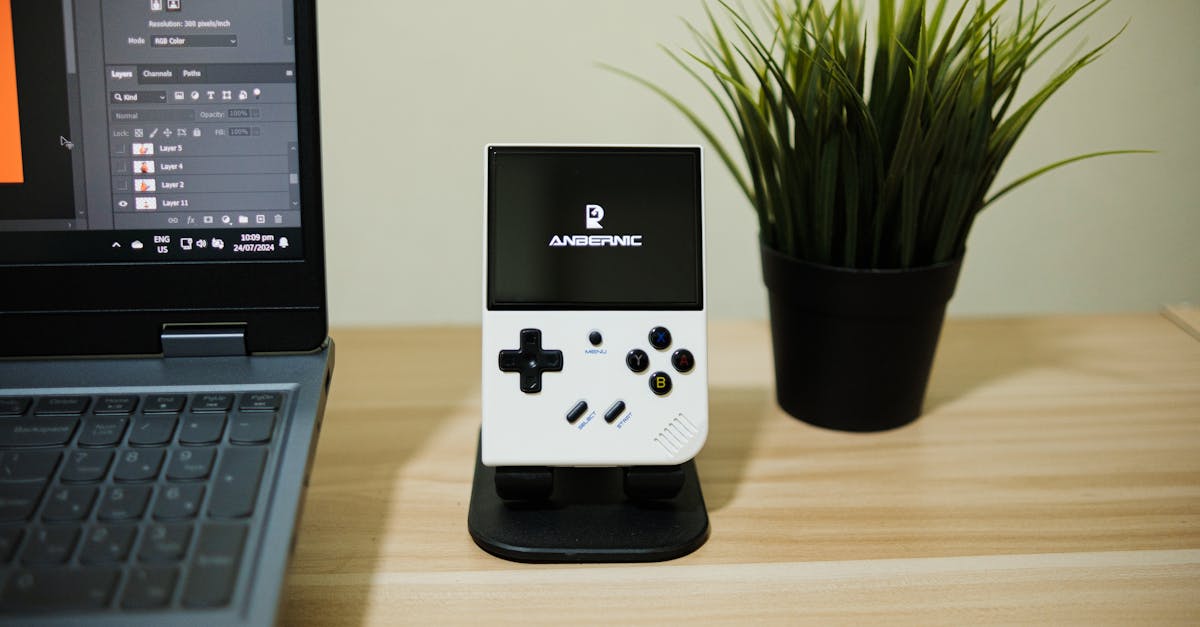
Playdate, Linux Kernels, EC2 Rigs Reshape Indie Gaming
Playdate’s crank, Linux kernel sync, GOG’s Linux client, and cheap EC2 rigs reshape how indie games reach players.