

Pascal’s Sponge Heat Pump Claims 20% Efficiency Boost

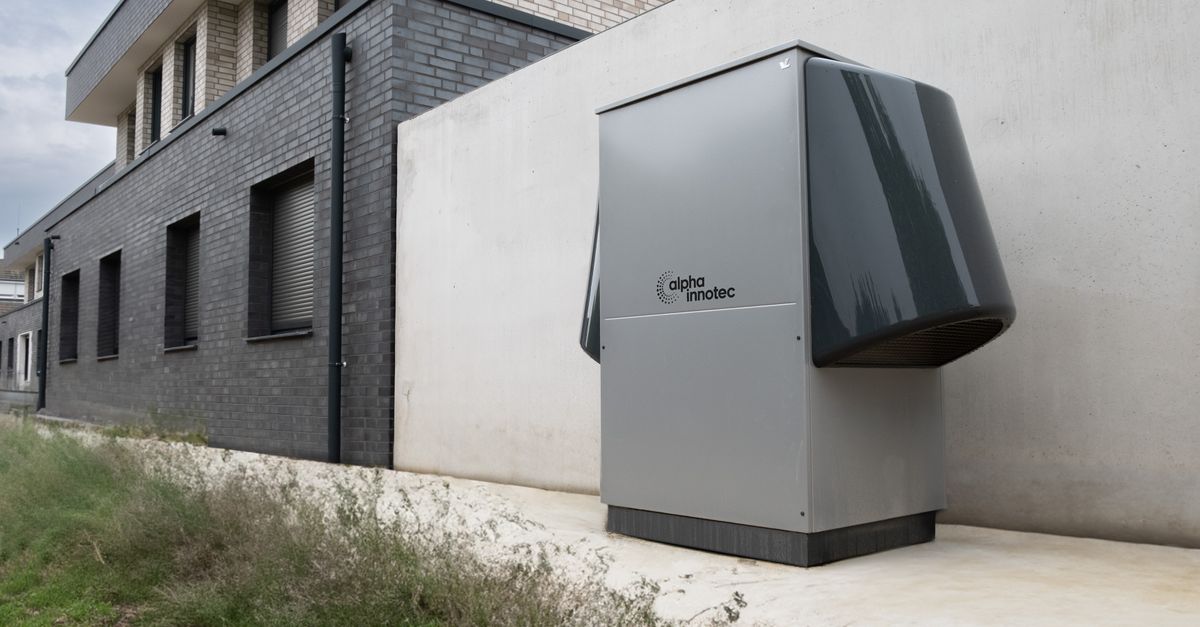
Photo by alpha innotec on Pexels
Pascal rolled out a heat‑pump prototype that swaps traditional metal fins for a porous, sponge‑like absorbent. The startup says the material lifts the system’s coefficient of performance by roughly 20%.
The claim comes with a full‑scale test plan and a partnership with an unnamed HVAC manufacturer. Pascal’s engineers highlighted the material’s ability to store and release thermal energy more evenly than conventional coils. The announcement arrived without a price tag, but the efficiency figure is the only concrete metric provided.
A different kind of heat‑exchange surface
Conventional heat pumps rely on metal plates or fin arrays to move heat between a refrigerant loop and indoor air. Those surfaces conduct heat quickly but also suffer from uneven flow and pressure drops. Pascal’s sponge replaces the metal lattice with a polymer matrix riddled with microscopic pores. The pores create a larger internal surface area while keeping fluid resistance low.
Pascal’s engineers explain that the material’s capillary action spreads the refrigerant more uniformly, reducing hot‑spots and improving heat transfer. The company cites laboratory data that shows a 20% lift in seasonal energy efficiency ratio (SEER) compared with a baseline unit of similar size. The data, however, remains confined to the company’s own test rigs.
Why a 20% gain matters in a mature market
Heat‑pump technology dates back about 170 years, first appearing as simple vapor‑compression cycles in the 1850s. Over the decades the core thermodynamic cycle has stayed the same; gains have come from incremental improvements in compressors, refrigerants, and control algorithms. A single‑digit efficiency jump is rare, and a 20% jump would shift the economics of retrofitting existing buildings.
Buildings account for roughly 40% of global electricity demand, and heat pumps already displace a sizable share of fossil‑fuel heating in temperate regions. A 20% efficiency increase could shave several kilowatt‑hours from a typical family home each year, cutting both bills and carbon emissions. That reduction also eases pressure on the grid during peak winter loads.
The regulatory and standards backdrop
Heat‑pump performance is measured against standards such as AHRI 210/240 in the United States and EN 14511 in Europe. Those tests require a defined set of operating conditions, including the use of approved refrigerants. Pascal’s sponge does not alter the refrigerant chemistry, so the prototype can be evaluated under existing protocols.
Regulators have been tightening refrigerant rules for decades, moving away from high‑global‑warming‑potential (GWP) chemicals. Pascal’s approach sidesteps refrigerant debates by focusing on the heat‑exchange medium. Still, any commercial rollout will need to pass third‑party certification, and the company has not yet disclosed a timeline for such testing.
Competitive pressure and industry response
Established HVAC manufacturers have been investing in micro‑channel heat exchangers, variable‑speed compressors, and smart‑control platforms. Those incremental upgrades have yielded efficiency gains of 5‑10% in recent generations. Pascal’s claim threatens to make those upgrades look modest.
Industry analysts note that a new material can trigger a cascade of redesigns across the supply chain, from compressor sizing to ductwork planning. However, they also caution that scaling a novel polymer at the volumes required for residential units poses cost and durability challenges. No major OEM has publicly commented on Pascal’s prototype, leaving the competitive response uncertain.
What to watch next
Pascal plans to submit its prototype for AHRI certification later this year. The outcome will reveal whether the 20% lift survives independent testing. Watch for pilot installations in multi‑family buildings, which could provide real‑world performance data. Competitors may announce counter‑measures—such as advanced fin geometries or hybrid refrigerant blends—within the next 12 months. The next round of efficiency standards, expected in 2027, could also codify any gains if Pascal’s material proves viable.
The heat‑pump market is at a point where a modest material breakthrough can reshape cost‑benefit calculations for retrofits. If Pascal’s sponge lives up to its promise, the next wave of residential heating could look less like a redesign of a 19th‑century engine and more like an incremental, material‑driven upgrade.
Related Articles

TechCrunch Disrupt 2026 Opens Tomorrow with Last‑Minute Ticket
Disrupt launches at Moscone West with 10,000+ founders and investors; see why the event matters for cloud‑native startups and funding trends.

Grok Bot email, Nvidia talks for Reflection AI
Grok Bot can now send email, Nvidia eyes Reflection AI, and a $1.25 billion monthly SpaceX compute contract surfaces, reshaping AI access and infrastructure.

AI Chip Valuations Surge as Hardware and Regulation Collide
Etched Fields draws $40B+ offers while startups roll out cheaper AI models and hardware, even as regulators and security researchers raise alarms.