

Samsung's $500 Refurb Phones, Google Wallet Feed

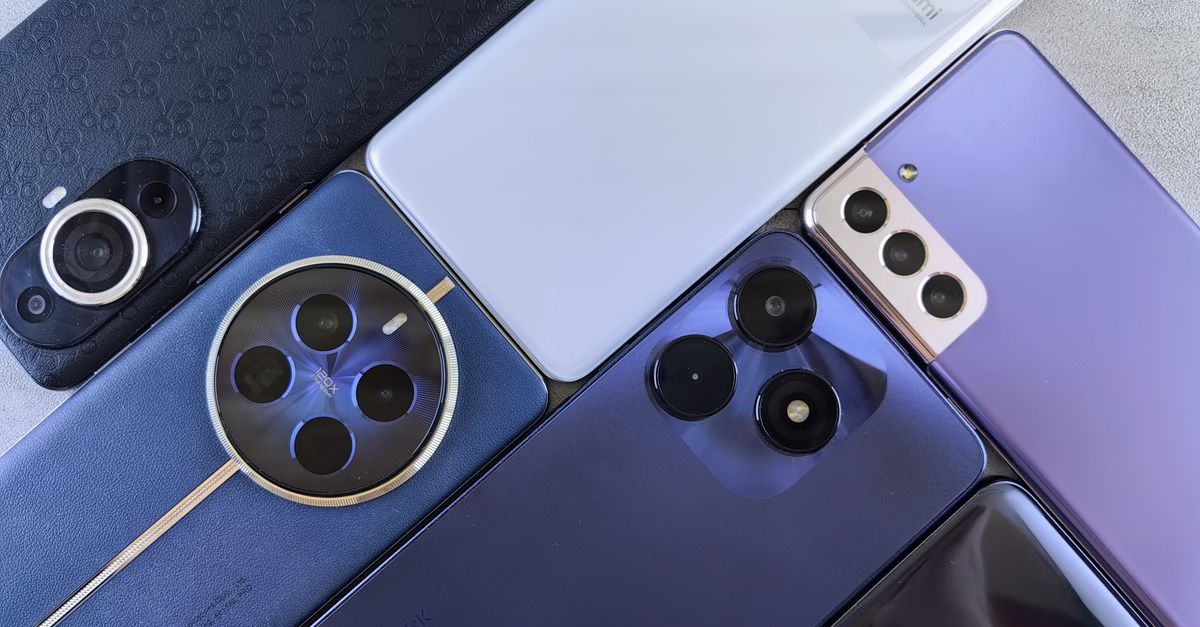
Photo by Andrey Matveev on Pexels
Samsung pushes refurbished Galaxy phones under $500 on Amazon
Samsung started selling its “Re‑Newed” Galaxy lineup on Amazon this week. The catalog lists more than a dozen models, each priced below $500. The move expands Samsung’s refurbished channel beyond its own storefront and gives budget‑conscious buyers a direct route to a recent‑generation device.
The phones arrive in sealed boxes, carry a fresh warranty, and ship directly from Amazon’s fulfillment network. Samsung’s branding emphasizes that the units are tested, repaired if needed, and certified as like‑new. By pricing the devices under $500, Samsung undercuts the entry‑level new Galaxy S and A series, which typically start around $600. The pricing gap forces carriers and third‑party retailers to reconsider how they position older inventory.
Analysts see the Amazon partnership as a test of how much volume Samsung can generate without cannibalizing its own sales. The company has historically sold refurbished phones through its own online store and authorized resellers. Amazon offers a massive audience, but it also introduces price transparency that could pressure Samsung’s margins. If demand spikes, Samsung may broaden the “Re‑Newed” label to include newer flagships.
The broader refurbished market gets a new heavyweight
Refurbished smartphones have grown into a $20 billion segment worldwide. Consumers cite cost savings and environmental benefits as primary motivators. Samsung’s entry onto Amazon gives the market a high‑profile brand that can set pricing expectations for other manufacturers.
Historically, Apple’s Certified Refurbished program has dominated the premium refurbished space. Samsung’s approach differs by using the generic “Re‑Newed” label and by targeting a wider price band. The strategy could pressure rivals like Google and OnePlus to launch similar Amazon‑only programs.
Environmental advocates note that extending device lifespans reduces e‑waste. Samsung’s warranty on these units means fewer early failures and longer usable periods. However, critics warn that aggressive discounting can encourage a throw‑away mentality if consumers treat refurbished phones as disposable upgrades.
Google Wallet adds a notifications feed and more passport support
Google rolled out a notifications feed inside Google Wallet for Android after redesigning its stacked card list. The feed surfaces alerts about upcoming travel, loyalty offers, and security prompts. At the same time, the app now supports a broader set of digital passports.
The update arrives as Android users increasingly rely on Wallet for contactless payments and identity verification. By surfacing timely messages, Google hopes to keep the app top‑of‑mind during everyday transactions. The expanded passport support includes new country‑specific IDs, making the app viable for more international travelers.
Google’s prior redesign of the card list aimed to declutter the interface. The new feed replaces a static area that previously displayed only a handful of cards. Early user feedback praises the immediacy of alerts but notes that the feed can feel noisy when many notifications appear at once.
The missing sleep breathing quality metric on Fitbit Air
Google confirmed that the sleep breathing quality metric promised for the Fitbit Air is still missing. The feature debuted on the Pixel Watch last month, but the Air version has not received the same update.
Fitbit Air owners who expected the breathing metric to appear have been left waiting. Google’s statement frames the delay as a timing issue, not a cancellation. The company says the feature will arrive “soon,” but offers no concrete rollout date.
The discrepancy highlights a broader challenge for Google’s health‑tracking ecosystem. The Pixel Watch benefits from a dedicated hardware‑software stack, while the Air relies on a more generic platform. Users may interpret the lag as a sign that Google prioritizes its flagship wearables over lower‑priced devices.
What to watch next
Watch Samsung’s Amazon sales data for the next quarter; a surge could trigger a broader “Re‑Newed” lineup or deeper price cuts. Track Google Wallet adoption rates as the notifications feed matures; spikes in active users may prompt further feature expansions. Finally, monitor Fitbit’s communications for a firm launch date on the Air’s sleep breathing quality metric, and note whether the rollout aligns with the Pixel Watch timeline.
Related Articles

Google nudges travelers, flags hardware glitches
Google Flights shares booking timing tips, Intel‑based Googlebooks face app issues, and Pixel Watch 5 gets its first Prime Day discount.

Pixel Watch 5 pushes health tracking but drops key features
Google's Pixel Watch 5 adds AI‑driven health tools and faster performance, yet omits several expected features at launch.
Google adds health metrics as tech, law, and climate collide
Google upgrades Pixel Watch 5 with breathing emergency alerts while new research and lawsuits show data's growing role in health, law, and climate.