

GOG hires engineer to bring Galaxy to Linux

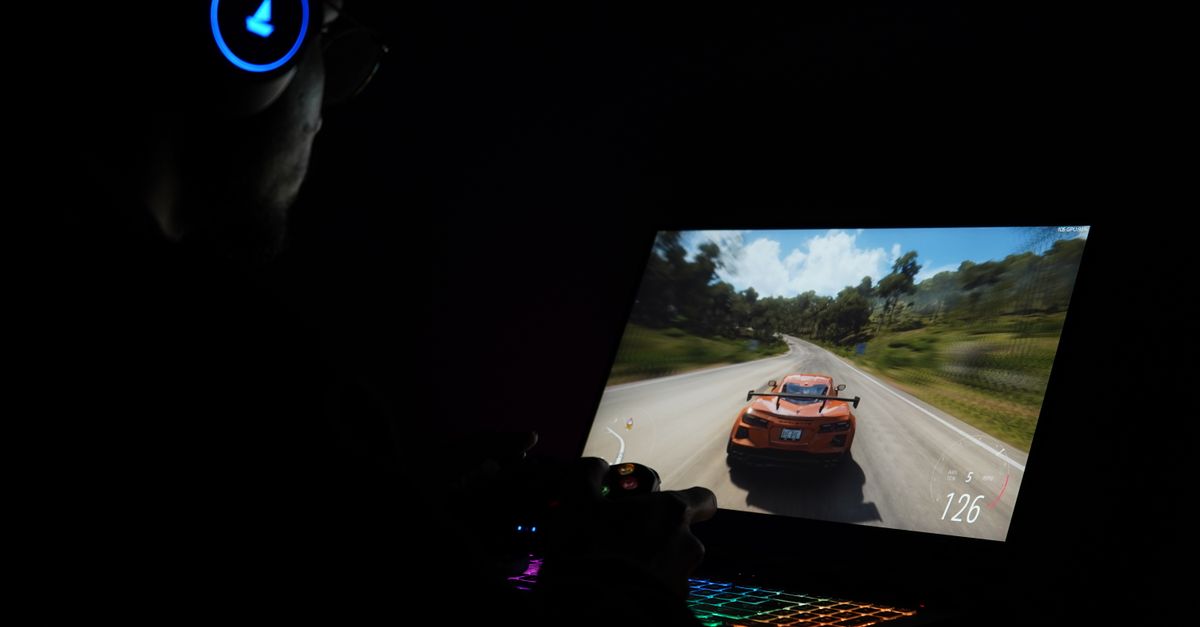
Photo by Rajat Yadav on Pexels
GOG adds a Linux‑focused senior engineer
The Polish publisher posted a senior‑engineer opening on its careers page on Monday, explicitly targeting Linux support for its Galaxy desktop client. The ad says the role will shape Galaxy’s architecture, tooling, and standards “with Linux in mind from day one.”
Galaxy currently runs on Windows and macOS, and the posting calls Linux “the next major frontier” for the product. The company has not yet released a native Linux client, but the job description makes clear that the effort is now a priority.
Why Linux matters to PC gamers now
Linux crossed the five‑percent mark of Steam’s user base in March 2026, the highest share the OS has ever recorded. Microsoft’s October 2025 end‑of‑support deadline for Windows 10 nudged many users toward alternatives, and the Steam Deck silently converted millions of players to Linux without a conscious decision.
That shift is not just about market share. For years, developers avoided Linux because the audience was too small, and the audience stayed small because developers avoided it—a classic catch‑22 that GOG’s own blog post called out. The arrival of Valve’s Proton, a tuned Wine layer, broke that loop by letting Windows games run on Linux with acceptable performance.
Technical progress that lowers the barrier
Proton’s success rests on deeper OS changes. The Linux kernel now includes NTSYNC, a driver that implements Windows‑style synchronization primitives natively. Before NTSYNC, Wine had to emulate those calls with esync or fsync, which sometimes mis‑behaved. By moving the implementation into the kernel, Wine can hand off the same API calls without translation overhead, yielding measurable speedups for many titles.
Other recent work expands the toolkit for Linux gamers. Asahi Linux released an alpha toolkit that bundles Vulkan 1.3 drivers, OpenCL 3.0, and an x86 emulation layer for Apple Silicon Macs. The stack can run demanding games like Control and even Fallout 4 inside a tiny virtual machine that reconciles the 16 KB page size of Apple hardware with the 4 KB pages expected by x86 binaries. While still experimental, the effort shows that kernel‑level and driver‑level innovations are making Linux a viable platform for high‑end gaming.
Market implications and competitive pressure
Steam remains the dominant distribution channel, but GOG’s brand still carries weight among retro‑enthusiasts and indie fans. The company recently reclaimed ownership from CD Projekt Red and pledged to survive Steam’s shadow by curating a library that feels distinct. A native Linux Galaxy client would let GOG tap into the growing Linux user base without forcing customers into a compatibility layer.
If GOG succeeds, it could pressure other storefronts to follow suit. Epic Games Store and Ubisoft Connect already run on Linux via Proton, but a first‑class native client would eliminate the extra translation step. That could attract developers who have been hesitant to ship Linux builds, further eroding the catch‑22 that has haunted the platform.
What to watch
The next milestone is the release date for a Linux‑compatible Galaxy build. GOG has not disclosed a timeline, but the hiring announcement suggests a near‑term roadmap. Keep an eye on GOG’s developer blog and the job posting for clues about staffing milestones. Also watch Valve’s Proton and the Linux kernel’s NTSYNC development; any regression or breakthrough will directly affect how smooth a native Galaxy experience can be. Finally, monitor Steam Deck sales and Linux‑share metrics on Steam, as those numbers will indicate whether GOG’s gamble is likely to pay off.
Related Articles
Linux gaming performance jumps as kernel takes over Windows sync
Linux hits 5% of Steam users and gains speed thanks to the NTSYNC driver moving Windows sync primitives into the kernel.

Gaming's Double Shift: Mobile Ports, Legacy Revivals
iOS No Man's Sky, PC P.T., Polygon layoffs, and an AI bot hijacking Hacker News—what the moves mean for developers and readers.
AI Blueprints, Fitbit Edge, iOS No Man's Sky and P.T. PC Port
Bootstrapped AI startup launches code‑compliant blueprints, Google releases mid‑tier Fitbit Edge, No Man's Sky lands on iOS, and P.T. finally arrives on PC.