

iPhone Duo apps, MacBook price plunge, CarPlay heat

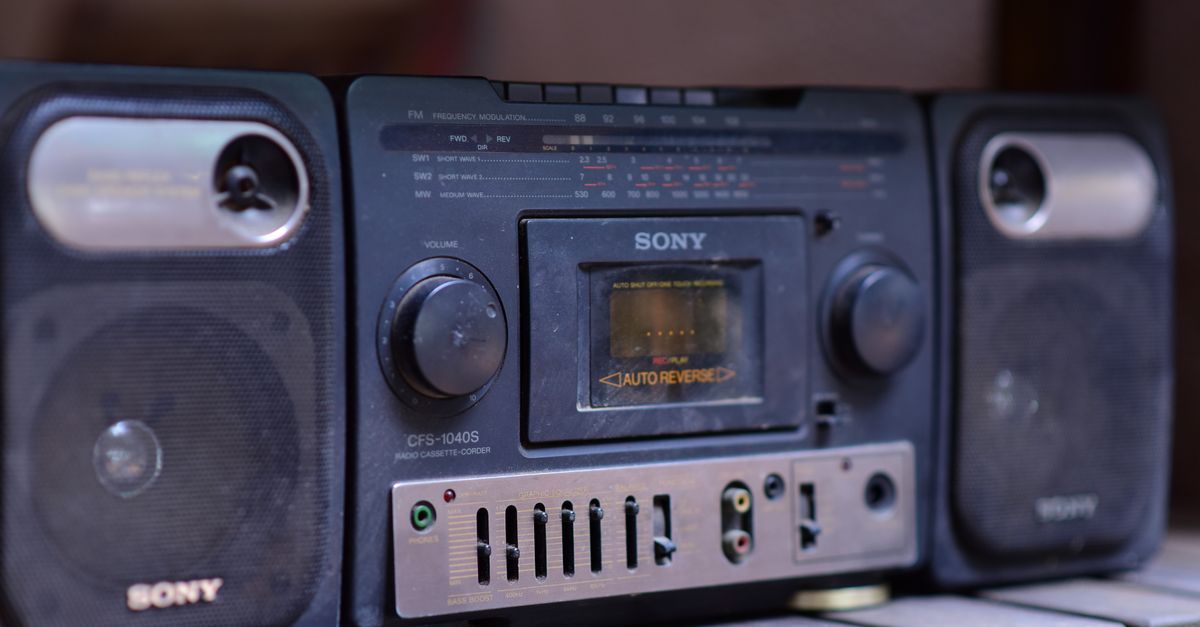
Photo by Sóc Năng Động on Pexels
iPhone Duo unlocks niche dual‑screen experiences
Apple’s first foldable iPhone, the iPhone Duo, arrived with a hinge that creates two independent displays. Developers have already filled the new real estate with experiments that would have been gimmicks on a single screen. TechCrunch catalogues a retro cassette player that mimics tape spooling, a virtual notebook that flips pages with a flick, a flight‑tracker that spreads a map across the fold, and a digital toaster that animates toast popping on each half of the device. Each app treats the hinge as a functional split rather than a novelty. The variety shows that the Duo’s hardware encourages developers to rethink UI conventions instead of merely porting existing iPhone apps.
The Duo’s launch coincides with a broader industry push toward foldables, but Apple remains the only major vendor to debut a device that runs iOS rather than Android. Competitors such as Samsung and Huawei have relied on Android adaptations to handle dual screens, while the Duo forces the iOS ecosystem to support dynamic resizing and state preservation. Early adopters report that the hinge introduces a slight latency when switching between apps, but the latency is offset by the novelty of using two screens for distinct tasks. The apps highlighted by TechCrunch illustrate a concrete use case: one half can act as a controller while the other displays data, a pattern that could inform future productivity tools.
The immediate impact is modest in revenue terms, but the Duo establishes a platform for a new class of software. If developers continue to explore the split‑screen paradigm, Apple may see a surge in niche utilities that justify the device’s premium price point. The market will watch whether these experiments translate into sustained user engagement or fade as a curiosity.
MacBook Pro Max reaches historic discount amid upcoming launch
Apple’s 16‑inch MacBook Pro Max has slipped to its lowest advertised price ever, according to WIRED. The price cut represents the largest discount the model has seen since its introduction, and the markdown arrived just as rumors surfaced about an innovative MacBook slated for launch next week. WIRED reports that the forthcoming laptop promises a new architecture, though details remain scarce.
The timing suggests a strategic clearance of inventory before the new generation arrives. Retailers typically lower prices on outgoing models to free shelf space and to entice price‑sensitive buyers who still want top‑tier performance. The Pro Max still ships with a 64‑core GPU, up to 128 GB of RAM, and a 10‑core CPU, specifications that keep it competitive even at a reduced cost. Buyers who prioritize raw horsepower can now acquire a flagship machine without waiting for the next release.
Analysts note that Apple often uses deep discounts to gauge demand for legacy hardware while teasing upcoming products. The discount may also be a response to supply chain pressures that have forced other manufacturers to adjust pricing. Regardless of motive, the price dip gives professionals a rare opportunity to own a high‑end MacBook at a fraction of the original price.
CarPlay and Android Auto push iPhone thermal limits
Powering a car dashboard through CarPlay or Android Auto taxes an iPhone more than typical handheld use. WIRED explains that the constant GPS, Bluetooth, and high‑resolution video streams keep the processor near its maximum clock speed, which drives heat generation. The sustained load can push the device’s temperature above comfortable thresholds, prompting throttling that reduces performance.
The article offers three practical steps to mitigate the heat. First, users should disable background app refresh while the phone is connected to the car. Second, lowering screen brightness reduces power draw from the display. Third, enabling Low Power Mode cuts CPU frequency and limits background activity. Applying these settings can lower the phone’s temperature by several degrees, extending battery life and preserving performance during long drives.
The thermal issue matters because many drivers rely on their phones for navigation, music, and voice commands. If the device throttles, navigation lag or audio glitches can appear, creating safety concerns. Apple has not issued a firmware fix, so the onus remains on users to adjust settings manually. The situation highlights a design trade‑off: the convenience of seamless phone‑car integration versus the hardware limits of a smartphone chassis.
Reinforcing Mac privacy as the ecosystem expands
Apple’s macOS includes a suite of privacy tools that many users overlook. Engadget outlines a set of settings that tighten data collection and limit app tracking. Enabling “Full Disk Encryption” protects data at rest, while restricting microphone and camera access to only trusted apps curtails opportunistic eavesdropping.
The guide also advises disabling “Location Services” for system processes that do not need geographic data. Users can audit the “App Privacy Report” to see which applications have accessed personal information in the past week. Adjusting these controls does not affect core functionality but adds a layer of defense against inadvertent data leakage.
As Apple continues to integrate its devices—iPhone Duo, MacBook Pro Max, and car infotainment—privacy settings become a shared responsibility across the ecosystem. A breach on one device can expose credentials that grant access to others via iCloud sync. Strengthening Mac privacy therefore protects the broader Apple footprint, especially as more developers experiment with cross‑device features.
What to watch
The next week will reveal whether Apple follows through on the rumored innovative MacBook launch, a move that could reset performance expectations for the entire laptop market. Simultaneously, developers may release new iPhone Duo apps that exploit the hinge for real‑world productivity, turning the current novelty into a sustainable feature set. Finally, monitoring iPhone temperature reports from CarPlay users will indicate whether Apple will address thermal throttling in a future iOS update. Tracking these three threads will show how Apple balances hardware ambition with user experience.
Related Articles

Apple's Fall Rollout Redefines Phones, Macs, and Photos
iOS 27 revamps Shared Albums, Samsung supplies iPhone Duo’s foldable screen, and Apple lines up a touchscreen MacBook Pro and OLED iPad mini for October.

Apple pushes ahead in China as memory costs choke rivals
Apple gains share in China despite a 10% shipment drop, while watchOS 27.2 RC lands and a redesigned MacBook Pro looms with a notable flaw.
Apple’s First Foldable Phone Lands Strong but Software Trails
Apple’s iPhone Duo impresses on hardware but iOS and apps lag, while rivals roll out new headsets and VR services.