

AI drives transport surge, data-center politics, legal fights


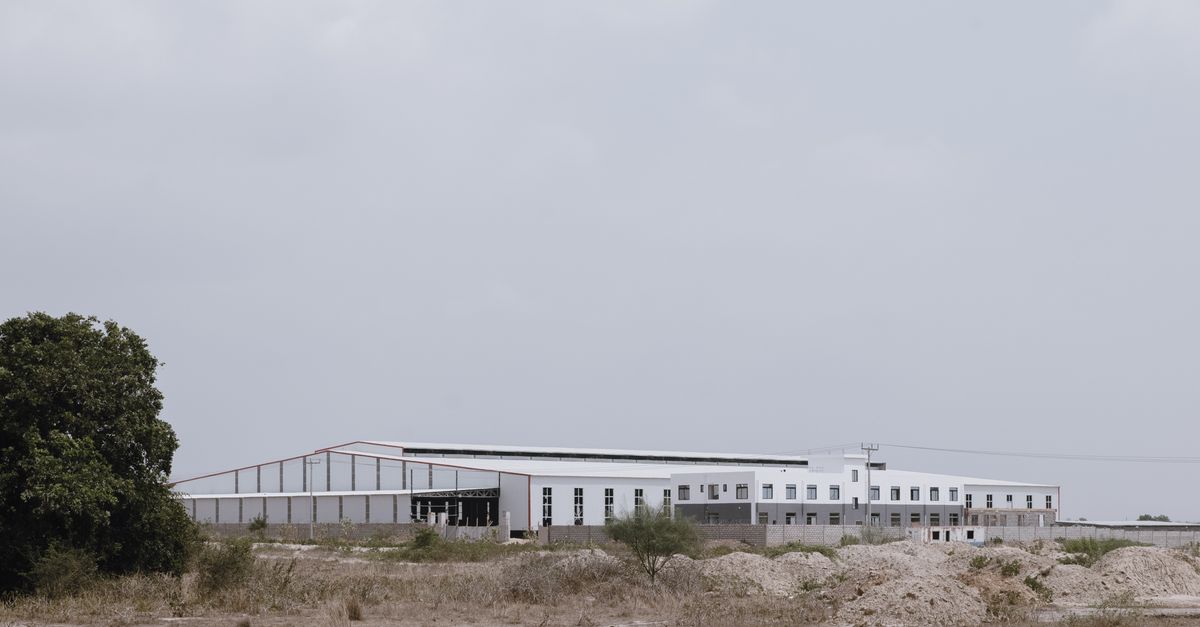
Photo by Maxim Shklyaev on Pexels
Autonomous vehicle boom gains steam
TechCrunch Mobility reports that a new, bigger autonomous‑vehicle (AV) boom is underway. The outlet points to a surge in prototype deployments and a wave of funding rounds that dwarf the 2022 surge. Companies that once tested AVs in limited districts are now scaling pilots to multiple cities.
The momentum matters because AVs promise to reshape freight logistics and urban mobility. Engineers cite faster sensor stacks and cheaper compute as the technical drivers. The market implication is a shift in capital toward firms that can integrate AI perception at scale. The article stops short of claiming a market‑wide tipping point, but the data points suggest a rapid acceleration.
Data centers become a midterm flashpoint
A Brooklyn midterm party held five days before Election Day turned into an impromptu AI forum, according to TechCrunch. Council members, activists, and residents all raised data‑center siting as a top concern. The conversation linked AI workloads to local power demand and noise complaints.
The political attention is new for a sector that traditionally operated under the radar of municipal elections. Residents fear that a wave of AI‑focused facilities will strain the borough’s aging grid. City planners have yet to release a zoning amendment, but the pressure is mounting. The episode shows how AI infrastructure can become a voter‑mobilizing issue.
Corporate AI postures: Apple and OpenAI
Apple’s new CEO publicly rejected the notion of shipping AI for AI’s sake. In a brief statement, the executive emphasized product relevance over hype. The comment aligns with Apple’s historically cautious rollout of machine‑learning features.
OpenAI, meanwhile, announced stricter limits on teen queries about firearms. The policy applies even when a question appears harmless, according to Engadget. The move follows internal reviews that flagged potential safety gaps in the model’s responses. OpenAI’s tightening of content filters reflects growing regulatory scrutiny and a push to avoid liability.
Both companies illustrate divergent strategies. Apple leans on selective integration, while OpenAI leans on policy enforcement. The contrast highlights a broader industry debate: whether to prioritize feature rollout speed or risk mitigation.
Environmental litigation targets xAI
A federal judge allowed an NAACP‑backed lawsuit against the SpaceX‑owned AI startup xAI to move forward. The suit alleges violations of the Clean Air Act stemming from the company’s data‑center emissions. Plaintiffs argue that the facility releases pollutants beyond permitted levels, harming nearby communities.
The legal advance marks the first time a civil‑rights organization has framed AI‑related emissions as an environmental justice issue. The case could set precedent for how AI compute clusters are regulated under existing environmental law. xAI has not commented publicly, but the filing forces the company to disclose emissions data that were previously opaque.
What to watch
Watch the Federal Communications Commission’s upcoming AI‑infrastructure rulemaking, which could codify emission reporting for data centers. Track OpenAI’s next policy update for teen safety, especially any changes to the firearms query filter. Monitor the NAACP lawsuit’s discovery phase for concrete emission figures that could trigger broader regulatory action. Finally, keep an eye on AV pilot expansions announced by the firms highlighted in TechCrunch Mobility, as early deployments will reveal whether the promised efficiency gains survive real‑world constraints.
Related Articles

Meta lawsuit and AI security attacks pressure industry scaling
Meta battles a class-action over photo harvesting as Anthropic warns of Chinese distillation attacks, and OpenAI pauses Pro sign‑ups amid capacity strain.

AWS Codex billing bug, AI book raids, EU copyright shift
A bug on AWS Bedrock inflates Codex fees, AI firms threaten rare books, and EU courts rule AI output uncopyrightable.
AirTrunk pours $30 B into 5 GW AI data centers in India
Australian operator AirTrunk commits $30 B to build 5 GW of AI‑focused data centre capacity in India, raising questions about supply, energy and competition.