

Google adds free video editor to Drive, shifting creator workflow

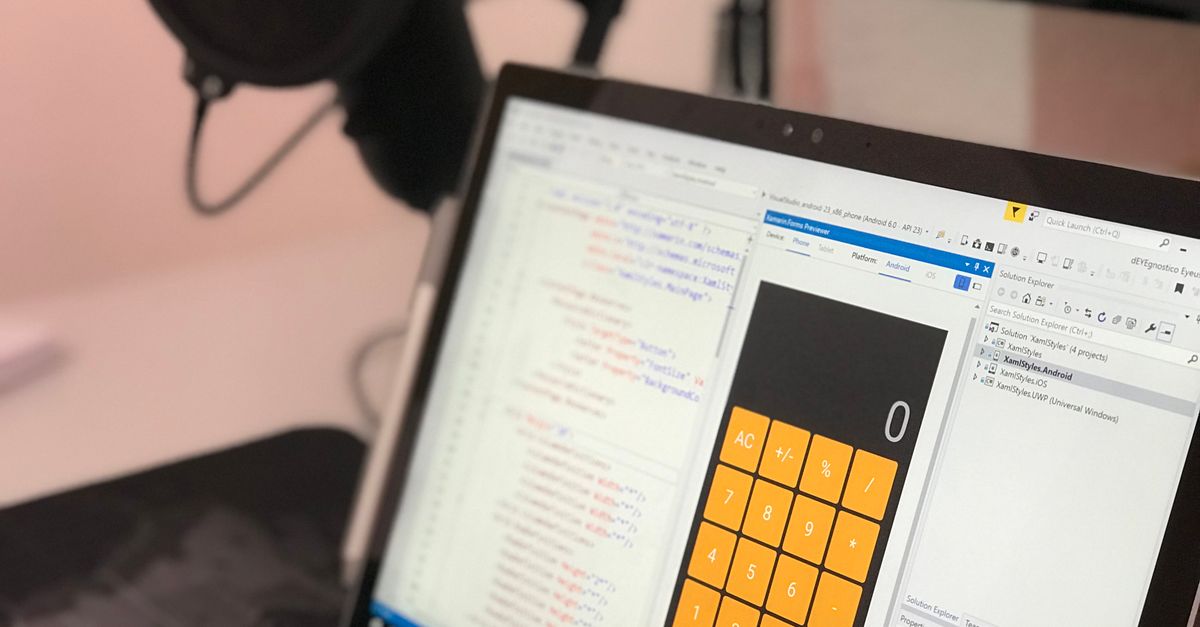
Photo by Eduardo Rosas on Pexels
Google Vids lands in Drive
Google rolled out a web‑based video editor called Google Vids inside Drive on Tuesday. The tool lives at the same URL as the rest of the suite, requires no download, and costs nothing to use.
The editor appears as a new button in the Drive toolbar. Clicking it opens a thin editing pane where users can trim clips, splice timelines, and add basic transitions. Because the app runs entirely in the browser, it inherits Drive’s sharing permissions: a video can be edited by anyone with edit access to the underlying folder. Google has not published a feature matrix, but the interface mirrors the minimalist design of Docs and Sheets, favoring icons over text.
How Google Vids stacks up against low‑cost alternatives
The $13 Chromagraph Camera app for iPhone processes photos with the same color math that cinematographer Steve Yedlin used on Knives Out. While Chromagraph focuses on still‑image color grading, its price point illustrates how niche creative tools can command a modest fee. By contrast, Google Vids offers a comparable baseline of trimming and stitching without any charge, but it lacks the color‑grading depth of a dedicated app.
Windows users have long relied on built‑in utilities like Disk Cleanup to keep PCs healthy. Those tools are free, but they operate behind the scenes. Google Vids is the first free, front‑facing creative utility Google has added to its consumer cloud stack since the launch of the Docs suite. The move nudges the free‑software boundary upward: users can now produce short videos without leaving the Drive environment, a convenience that previously required third‑party services such as Clipchamp (acquired by Microsoft) or Adobe Express.
The broader trend of embedded creativity tools
Google’s decision follows a pattern where platform providers embed lightweight creation tools directly into their core services. The same logic powers Google Slides, which lets users build presentations without PowerPoint, and Google Forms, which replaces basic survey software. By folding video editing into Drive, Google reduces the friction of moving files between storage and a separate editing app.
The trade‑off is functional depth. Space‑heater reviews in 2026 noted that “portable heaters will heat a room quickly, quietly, and safely,” but they also warned that a single‑button interface can hide performance nuances. Similarly, Google Vids’ simplicity may hide limitations such as lack of multi‑track audio, no support for 4K export, and no native effects library. Power users who need fine‑grained control will likely continue to gravitate toward paid solutions, but casual creators—Marketers stitching together product demos, teachers assembling lecture clips—gain a zero‑cost option that lives where their files already reside.
Security and trust: a reminder from the hardware side
Security concerns linger even when software appears benign. A recent discussion on Hacker News highlighted Lenovo’s “encrypted” fingerprint USB drive, which turned out to be an unencrypted SD card housed in a plastic case. The episode underscored how branding can mask a lack of actual protection.
Google Vids inherits Drive’s existing security model: files are encrypted at rest and in transit, and access is governed by Google’s OAuth permissions. However, the addition of an editing surface expands the attack surface. If a malicious actor gains edit rights to a shared folder, they could embed malicious code in a video’s metadata or use the editor to replace a corporate training clip with altered content. The incident with Lenovo’s USB drive serves as a cautionary tale—free or low‑cost tools do not guarantee robust security, and organizations should audit sharing settings before allowing broader collaboration.
What to watch next
Google has not announced a roadmap for Vids, but the company typically iterates quickly on its web apps. Watch for a feature rollout that adds multi‑track audio, higher‑resolution export, or integration with Google Photos’ AI‑based tagging. Competitors may respond with their own free‑tier video editors, especially as the creator economy pushes more small teams toward cloud‑native workflows. The next data point to track is whether Google begins to surface usage metrics in Drive’s admin console, a move that would let enterprises monitor video production alongside document activity.
This article is based on publicly available announcements and reporting from WIRED, Engadget, 9to5Mac, and Hacker News.
Related Articles
Google expands Gemini in Chrome, adds AI tools across suite
Google rolls Gemini AI to Chrome in seven Asian markets while upgrading security, Assistant, Docs and accessibility features.
Google discounts Pixel 11 Fold as Samsung mocks iPhone Duo
Google slashes Pixel 11 Fold prices, Samsung attacks iPhone Duo's crackgate, and Motorola teases its Signature 27 flagship ahead of launch.
Google's AI Search Costs Hit, Bing Gains Ground
Google reports a $9 billion AI‑driven cash‑flow loss while Bing's AI overhaul lifts its ad revenue and market share.