

Meta's Max robot tackles chores, but the road ahead is rough

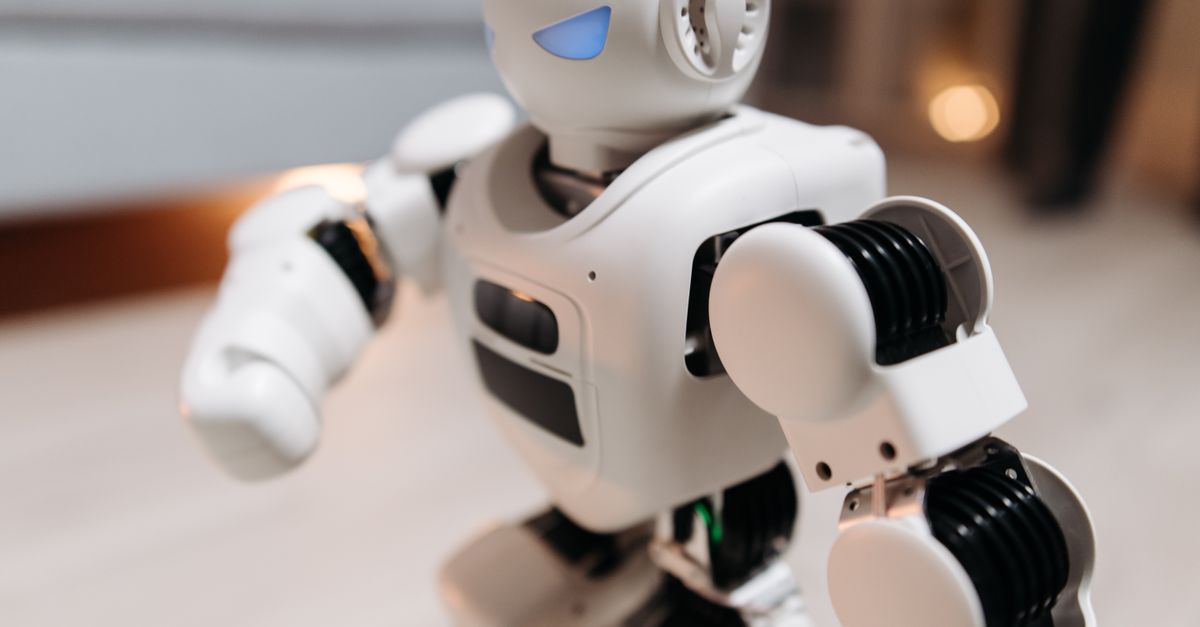
Photo by Pavel Danilyuk on Pexels
Meta’s Max robot actually folds laundry and dishes dishes in a living‑room demo. The prototype, unveiled in a low‑key video, shows a bipedal machine navigating a kitchen, picking up plates, and placing them in a dishwasher—tasks that have long eluded consumer‑grade bots. A second version, codenamed Max 2, is already in the engineering pipeline, according to the same report.
The Max prototype stands about 5 feet tall, sports a torso with a torque‑rich arm, and walks on a pair of articulated legs that balance on a gyroscopic core. Sensors on its wrists and torso map countertops in real time, while a custom LLM interprets simple voice commands like “load the dishwasher.” The video stops short of a full cleaning cycle, but the robot does manage to stack a few plates and slide a laundry basket onto a chair. Meta’s internal memo, leaked to Engadget, says the team plans to iterate on grip strength and battery life before a consumer preview later next year.
The move feels like a gamble. Meta has spent billions on the metaverse, yet its hardware ambitions have repeatedly missed market expectations. A household bot that can reliably navigate clutter, adapt to varied dishware, and stay quiet long enough for a dinner conversation would be a genuine breakthrough. As it stands, Max looks more like a research showcase than a product you would invite into your home.
Why household bots have stalled
Forbes’ latest “30 under 30” list reminds us that robotics talent is spreading across niches, not converging on a single consumer miracle. The list highlights a mobile construction robot, an 81‑hour solar‑powered UAV, and a rehabilitation robot called Luna, but none of those projects aim at the kitchen.
Skolkovo‑based Promobot builds retail assistants that can answer questions and guide shoppers, while EGZOTech’s Luna focuses on post‑stroke therapy. Both succeed because they operate in constrained environments—store aisles or therapy rooms—where the layout is predictable. The home, by contrast, is a chaotic arena of dishes, pets, and unpredictable human movement.
The technical gap is stark. Bipedal locomotion still consumes megajoules of energy per hour, and tactile perception on varied surfaces remains flaky. Even the most advanced AI models struggle to translate a vague command like “clean the kitchen” into a step‑by‑step plan that accounts for a toddler’s toy on the floor. Until those fundamentals improve, household bots will stay in labs.
From farms to kitchens: the broader automation push
New Zealand’s recent Transforming AgTech event showcased how robotics is already delivering value in far less forgiving settings. Companies such as Aeronavics are flying intelligent drones over farms for precision mapping, while Autogrow Systems automates greenhouse climate control with millisecond precision. Those solutions thrive on repeatable cycles and clear performance metrics—soil moisture, plant height, drone flight path.
DoorDash’s Robotics and Automation Lab is taking a similar pragmatic stance on last‑mile delivery. The team has been testing hub‑to‑hub robots that ferry orders from a crowded mall hub to a nearby consumer hub, shaving minutes off the Dasher’s route. Their goal is to automate the “middle mile” without trying to replace the human courier entirely, echoing Meta’s decision to keep Max as a helper rather than a replacement.
Both cases illustrate a pattern: automation succeeds when it augments a well‑defined workflow rather than attempts to master the full mess of a home. Meta’s Max may eventually find a niche—perhaps assisting the elderly with repetitive tasks—but it will have to prove it can operate reliably in the same noisy, unpredictable environment that farms and delivery hubs have already tamed.
What to watch as Max 2 rolls out
The next milestone is the Max 2 prototype, slated for internal testing later this year. Observers should track three signals: battery endurance beyond the current hour‑long demo, the robot’s ability to handle a full dish‑load without dropping items, and any regulatory filings Meta makes with safety agencies. A successful Max 2 could push Meta from a curiosity demo to a product pipeline.
Beyond the hardware, the market response will matter. If early adopters—perhaps assisted‑living facilities or tech‑savvy households—report tangible time savings, we may see a ripple effect that encourages other firms to invest in domestic bipedal bots. If the robot remains a novelty, the story will reinforce the notion that the home is still the last frontier for practical automation.
What to watch next
Keep an eye on Meta’s upcoming developer conference where Max 2’s live performance may be streamed. Also monitor any partnership announcements with sensor firms or AI labs, as those collaborations will likely dictate whether Max can finally bridge the gap between lab‑grade dexterity and everyday usefulness. The next 12 months will reveal whether Meta’s household robot stays a prototype or becomes a modest, but real, part of daily life.
Related Articles

Bedrock's $600M Bet on Driverless Diggers Signals a New AI
Bedrock Robotics lands $600M for autonomous excavators as SpaceX secures $40B GPU financing, while open‑source ethical AI tools stir debate.

Meta Hit with $25 Billion Penalty Over Cambridge Analytica Data
A court ordered Meta to pay $25 B for privacy violations tied to the Cambridge Analytica scandal, raising questions about regulation and tech security.

Meta's Muse reaches 10M US downloads amid privacy backlash
Meta's AI companion Muse hits 10 million U.S. downloads in 40 days, but privacy leaks and policy retreats raise questions about its future.