

UK Green Party Abandons Anti‑Nuclear Stance Amid Energy Crunch


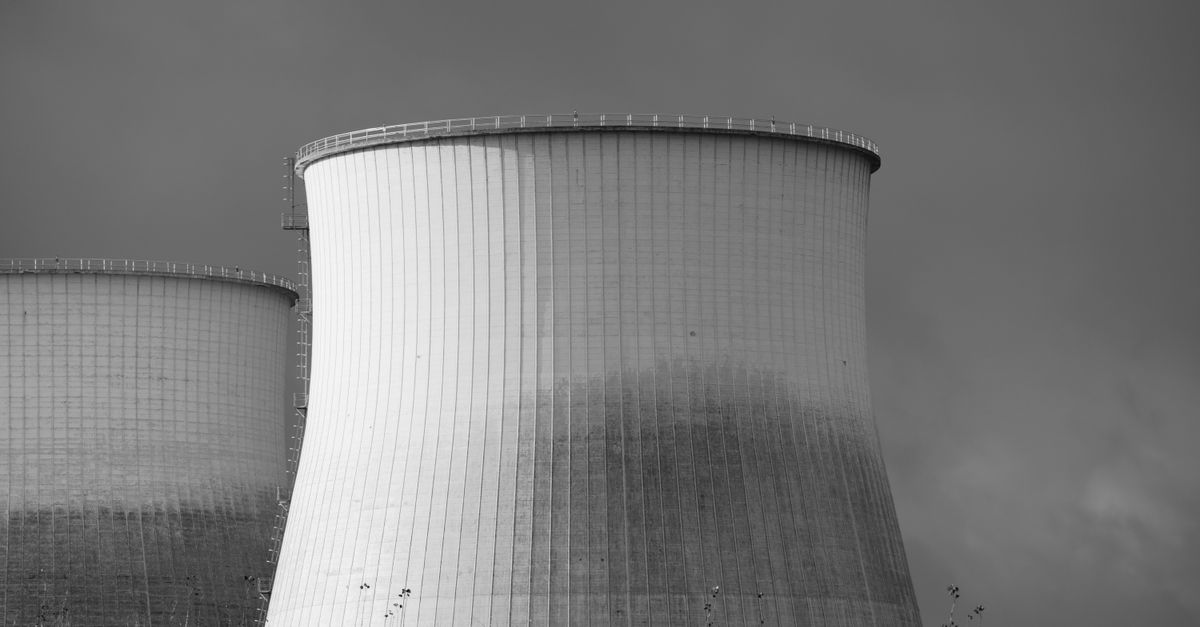
Photo by Arnold Nagy on Pexels
Hacker News Spotlight on Three Essays
The front page of Hacker News featured three essays that pulled the community’s attention. “Surviving “The Graduate"" earned 119 points and 37 comments. “The Duty of a Scholar” matched the score with 119 points and 33 comments. The Guardian piece on the Green Party’s nuclear shift topped the board with 213 points and 259 comments.
The numbers matter. They show where technologists and policy‑watchers converge. Readers voted up the Green Party story because energy policy feels immediate. The other two essays resonated for personal and academic reasons. The discussion threads reveal a mix of technical skepticism, nostalgic anecdotes, and calls for clearer scholarly standards.
Both “Surviving “The Graduate"" and “The Duty of a Scholar” are long‑form reflections. The former uses the 1967 film as a metaphor for post‑college uncertainty. The latter argues that scholars owe a public duty beyond ivory‑tower research. Neither piece is a press release; each is a personal argument that invited critique. The comment volume indicates that the HN audience values concrete argument over vague optimism.
The Guardian article, dated Oct 5 2026, reported a policy reversal that broke a decades‑long opposition. The Green Party’s leadership announced the change in a statement posted on its website. The announcement triggered a flood of replies on HN, where users dissected the political calculus and the technical feasibility of nuclear power in a low‑carbon future.
Green Party’s Nuclear Reversal
The UK Green Party formally dropped its opposition to nuclear power on Oct 5 2026. The party’s statement cited the need for reliable baseload to meet net‑zero targets. It acknowledged that previous anti‑nuclear rhetoric no longer aligned with the climate emergency.
The reversal is stark. The party has opposed nuclear reactors since its formation in the 1990s. Its 2016 manifesto listed nuclear as “incompatible with a sustainable future.” The new stance marks the first time the party has endorsed any form of large‑scale nuclear generation.
Party leaders framed the shift as pragmatic, not ideological. They argued that wind and solar alone cannot close the supply gap during low‑wind periods. The statement referenced the UK’s 2025 electricity shortage forecast, which predicts a shortfall of up to 10 GW without additional firm capacity.
Critics within the movement called the move a betrayal. A Green Party MP posted on social media that the decision “undermines decades of grassroots opposition.” The internal debate spilled onto the party’s annual conference agenda, where a resolution to revisit the policy was tabled.
The Energy Policy Landscape
Nuclear power currently supplies about 15 % of the UK’s electricity. The government’s 2024 Energy Security Strategy set a target of 20 % by 2030, relying on both new builds and life‑extension of existing reactors. The Green Party’s policy shift aligns it with that official target.
Private investors have already pledged £5 billion toward the Hinkley Point C and Sizewell C projects. Those projects face cost overruns and supply‑chain delays, but they remain the most advanced nuclear builds in the country. The Green Party’s new stance could smooth regulatory pathways for future Small Modular Reactor (SMR) pilots.
Renewable capacity has grown, yet intermittency remains a hurdle. Battery storage installations hit a record 2 GW in 2025, but analysts warn that storage alone cannot replace firm generation. The debate now centers on whether SMRs can provide the missing firm capacity at acceptable cost and safety levels.
Environmental groups have split opinions. Friends of the Earth reiterated its opposition, citing waste and proliferation risks. Meanwhile, the Campaign for Nuclear Innovation welcomed the policy change, arguing that “green” and “nuclear” are not mutually exclusive.
Political Fallout and Industry Reaction
The ruling Conservative Party responded with a muted endorsement. A senior minister said the Green Party’s move “shows that climate ambition can coexist with pragmatic energy choices.” The comment was seen as an attempt to neutralize opposition ahead of the upcoming local elections.
The Labour Party, traditionally more favorable to nuclear, issued a statement praising the Green Party’s “courage to adapt.” Labour’s energy spokesperson highlighted the party’s own commitment to a “balanced clean‑energy mix.” The comment suggests a potential coalition on nuclear policy.
Industry executives welcomed the political signal. The chief executive of a UK nuclear consortium said the Green Party’s reversal “removes a major political barrier.” He added that the change could accelerate licensing for the next wave of SMRs.
Conversely, some Green‑aligned investors expressed caution. A venture fund that backs renewable startups warned that “political volatility around nuclear could deter long‑term capital.” The fund’s portfolio includes offshore wind and green hydrogen projects that may now compete for the same subsidies.
What to Watch
Track the Green Party’s internal vote on the nuclear policy at its October conference. The outcome will reveal whether the reversal survives grassroots pushback. Monitor the UK regulator’s timeline for SMR licensing; a faster schedule could validate the party’s new stance. Finally, watch the next round of UK election results for shifts in voter sentiment toward nuclear as a climate tool.
Related Articles
Valar Atoms
Nuclear startup Valar Atomics raises $1 billion at $6 billion valuation, partners with Nvidia

Retro computing resurfaces on Hacker News
Hacker News users revive 1980s computer books, nostalgic essays, and a deep dive into the C64 dead test font, sparking fresh debate.

Social feeds crumble, subscriptions mutate, and Costco memes rise
Ars Technica flags social media's split, while Hacker News debates Costco habits and self‑cancelling subscriptions, reshaping online engagement.