

Apple's Black Friday Blitz Slashes Prices on Watch Ultra


Photo by https://kaboompics.com/ on Pexels
Deep Discounts on Flagship Gear
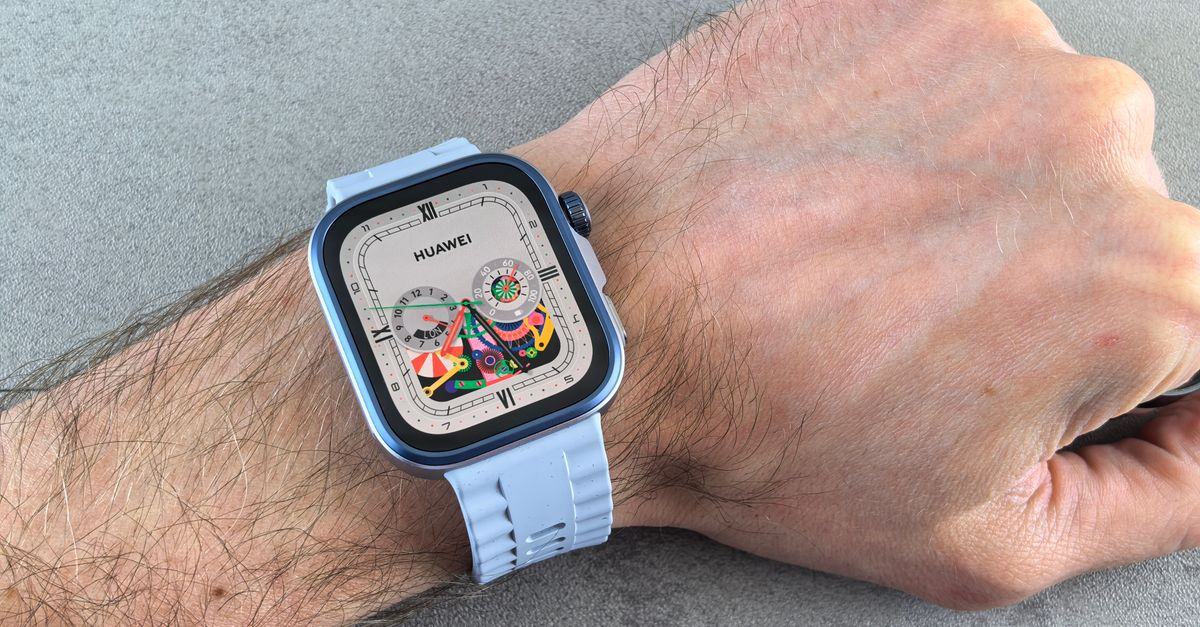
Apple launched a slate of Black Friday‑month deals that hit its most visible products. The Apple Watch Ultra 4 now sits nearly $100 below its list price. AirTag 2 fell back to $17.50 each, a price that has appeared only sporadically in the past. The discount window opened alongside the Apple TV 4K pre‑order rebate and a $50 cut on the AirPods Pro 3.
M5‑based MacBook Air models start at $1,099, a figure that undercuts the previous entry‑level price by a noticeable margin. All 2026 Mac mini configurations receive up to $150 off the sticker. Magic Keyboards enjoy a 20 % markdown, and Apple’s Dynamic Power Adapter is on sale for fast‑charging the Duo. The lineup reads like a checklist for anyone who wants to upgrade multiple devices before the holidays.
The deals are spread across Apple’s own storefront and partner retailers. Each discount is listed as a limited‑time offer, meaning shoppers must act before inventory drains. The pricing structure mirrors the typical Black Friday playbook: deep cuts on premium items, modest reductions on accessories, and a few headline‑grabbing price points to draw traffic.
Holiday Streaming Push: Apple TV Lineup
Apple paired its hardware discounts with a refreshed November streaming slate. The service will roll out a beloved comedy, a star‑studded heist thriller, and the sequel to an Oscar‑winning film. The exact titles are not disclosed in the source, but the variety signals a bid to keep subscribers engaged throughout the holiday binge‑watch period.
Apple TV’s content push arrives as the company promotes the Apple TV 4K pre‑order discount. By bundling hardware incentives with exclusive programming, Apple hopes to convert casual viewers into device buyers. The strategy leans on the notion that a compelling content library can justify the premium price of its streaming hardware.
Pricing Strategy in the Black Friday Era
Apple’s discount cadence has evolved over the past decade. Early Black Friday seasons featured modest price trims on older iPhone models, while newer cycles see flagship devices like the Watch Ultra 4 receive aggressive markdowns. The current approach mirrors competitors such as Samsung and Google, which routinely slash flagship prices to capture holiday market share.
Critics argue that deep discounts erode Apple’s premium aura. The brand’s mystique hinges on a perception of exclusivity and price stability. When a flagship watch drops $100, the narrative shifts from aspirational to opportunistic. Yet the data shows that sales spikes often follow such cuts, suggesting that price elasticity outweighs brand dilution during the holiday window.
The Apple TV content rollout adds a non‑hardware lever to the pricing playbook. By offering fresh, high‑profile programming, Apple creates a reason for consumers to stay within its ecosystem beyond the initial purchase. This dual‑track approach—hardware discounts plus exclusive content—mirrors the broader industry trend of bundling services with devices to lock in revenue.
What This Means for Consumers and Competitors
For shoppers, the current deals represent a rare chance to acquire top‑tier Apple hardware without the usual premium. The $17.50 AirTag 2 price, for instance, brings a useful tracking accessory into reach for budget‑conscious users. The Watch Ultra 4 discount makes a rugged, high‑end smartwatch viable for fitness enthusiasts who previously balked at the cost.
Competitors will feel the pressure to match or exceed Apple’s discounts. Retailers selling Android wearables or alternative smart speakers may need to deepen their own promotions to stay relevant. The ripple effect could see a broader dip in premium tech pricing across the sector, at least through the holiday season.
What to Watch Next
Keep an eye on Apple’s final Black Friday weekend announcements. The company typically adds flash deals in the last 48 hours before the holiday rush ends. Also watch for any follow‑up price adjustments on the Apple TV 4K pre‑order discount and the AirPods Pro 3 rebate. Those numbers will indicate whether Apple is willing to sustain aggressive pricing or will retreat to its standard premium pricing model after the holiday peak.
The next quarter will reveal if the November content lineup translates into higher subscription retention. If Apple TV’s new titles drive a measurable uptick in subscriber growth, the content‑first strategy may become a permanent fixture alongside hardware discounts.
Finally, monitor competitor responses. Samsung’s Galaxy Watch line and Google’s Pixel devices are slated for their own holiday promotions. The relative depth of those discounts will shape the competitive landscape for premium wearables and smart home accessories well into the new year.
Related Articles
Apple’s Fall Blitz Mixes New Gear, TV Marathons
Apple drops a four‑week TV premiere marathon, launches Watch Ultra 4, Series 12 and AirPods 5, and faces app and listening concerns with the upcoming iPhone Duo.
Apple TV+ climbs to $14.99 in fourth hike in four years
Apple raises Apple TV+ to $14.99 monthly and $119 yearly, the latest in a series of price hikes, and nudges Apple One bundles higher.

Apple rolls out TV series renewal, UI tweak, and AI music policy
Apple TV renews Knife Edge, tvOS 27 adds Larger Text, and Apple Music outlines AI fairness steps.