

Ukraine Deploys Pocket Receiver to Hijack Russian Drone Video

Immediate Impact
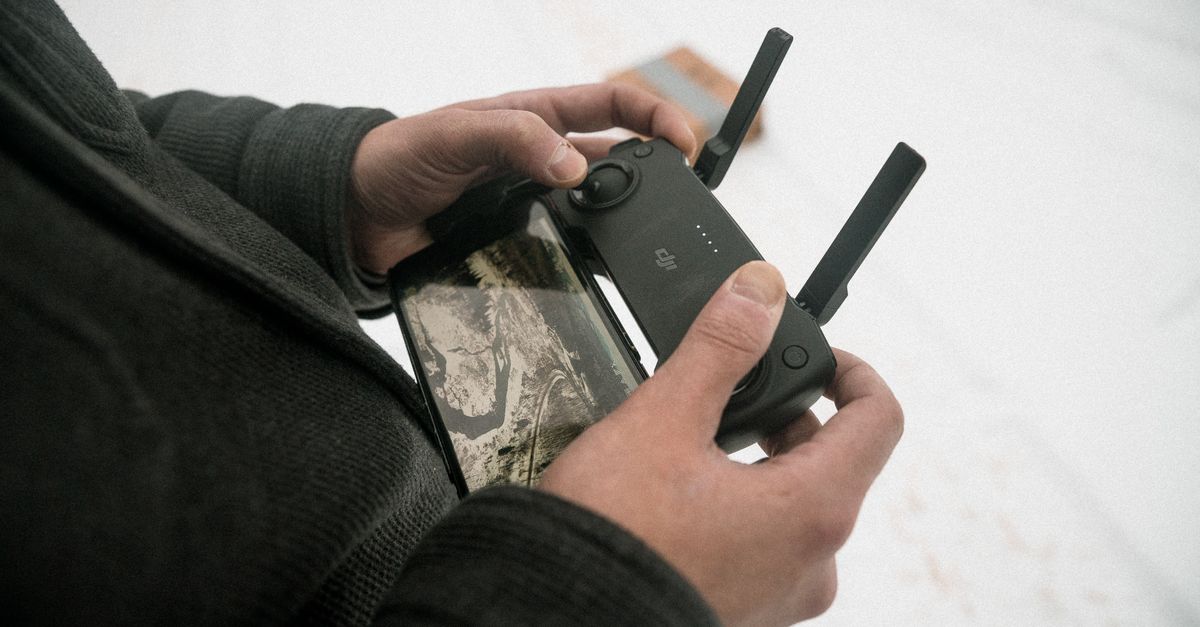
Ukrainian units now watch Russian drone cameras in real time thanks to a pocket‑sized receiver developed by a Kyiv startup. The device flips the typical surveillance advantage on its head.
The receiver weighs about 10 ounces and fits in a soldier’s pocket. It captures the video streams broadcast by Russian unmanned aircraft and displays them on a handheld screen. Troops can see where a drone is looking without waiting for a command center to process the feed. The startup says the hardware works with the analog video signals that many Russian drones still emit.
Technical Mechanics
The receiver acts as a radio‑frequency interceptor. Russian drones transmit video over unsecured frequencies to their operators. By tuning into those frequencies, the device pulls the raw feed directly to the handheld display. No encryption is involved, which is why the hardware can decode the signal with minimal processing power.
Because the unit is small, it runs on a standard lithium‑ion battery and requires no external antenna. Soldiers point it toward the drone, press a button, and the video appears within seconds. The simplicity means the device can be fielded quickly, without extensive training.
Strategic Stakes
Seeing a drone’s point of view gives infantry a tactical edge. Previously, Ukrainian forces relied on separate intelligence teams to locate drones and relay their positions. The new receiver cuts that latency, allowing squads to react instantly—whether to take cover, relocate equipment, or call in counter‑drone fire.
The ability to watch a drone’s feed also informs broader operational planning. Commanders can map drone flight patterns and infer where Russian forces intend to concentrate fire. In a conflict where air assets dictate the tempo, turning a surveillance tool into a liability reshapes the battlefield calculus.
Emerging Countermeasures
Russian forces are already adapting. Recent reports indicate a shift toward digital video streams and AI‑guided drones that do not emit continuous analog signals. Those drones rely on encrypted data links or onboard processing, which the pocket receiver cannot intercept.
If the drones stop broadcasting unencrypted video, the Ukrainian advantage will erode. The startup acknowledges the risk, noting that the current hardware targets the legacy analog fleet. Future iterations may need to incorporate software‑defined radio capabilities or AI‑assisted signal analysis to keep pace.
Broader Context and Industry Response
The device reflects a growing trend of low‑cost, field‑oriented electronic warfare tools. Throughout the war, Ukrainian innovators have repurposed commercial components into battlefield assets. This approach mirrors earlier efforts, such as improvised jamming rigs and open‑source mapping platforms.
International observers note that the proliferation of such tools could influence future conflicts. Small, affordable interceptors lower the barrier for non‑state actors to contest aerial surveillance. However, the rapid development cycle also pressures manufacturers to anticipate counter‑technology, creating a feedback loop of innovation and adaptation.
What to Watch
The next weeks will reveal how widely Ukrainian units adopt the receiver and whether Russian drone manufacturers accelerate the rollout of signal‑less platforms. Tracking the mix of analog versus digital drones in combat zones will indicate whether the current advantage is fleeting or sustainable. Any upgrade from the Kyiv startup that addresses encrypted feeds will also be a key data point for analysts monitoring the electronic warfare front.
Related Articles
Laser Blasts Drones at Mexico Border, Raising Security Stakes
The US Army used a high‑energy laser to shoot down drones near the Mexico border, sparking debate over militarized border tech.

Berlin Tenants Mobilize to Expropriate Private Landlords
Berlin activists gather signatures for a referendum to transfer over 3,000 private apartments into public ownership, challenging recent rent‑freeze court rulings.

Squarespace cuts 19% staff as tech layoffs turn to lower‑pay
Squarespace slashes nearly a fifth of its workforce and a TikTok trend reveals companies are reposting identical roles at dramatically reduced salaries, reshaping tech employment dynamics.