

Study Finds 75% of Deceased NFL Players Had CTE

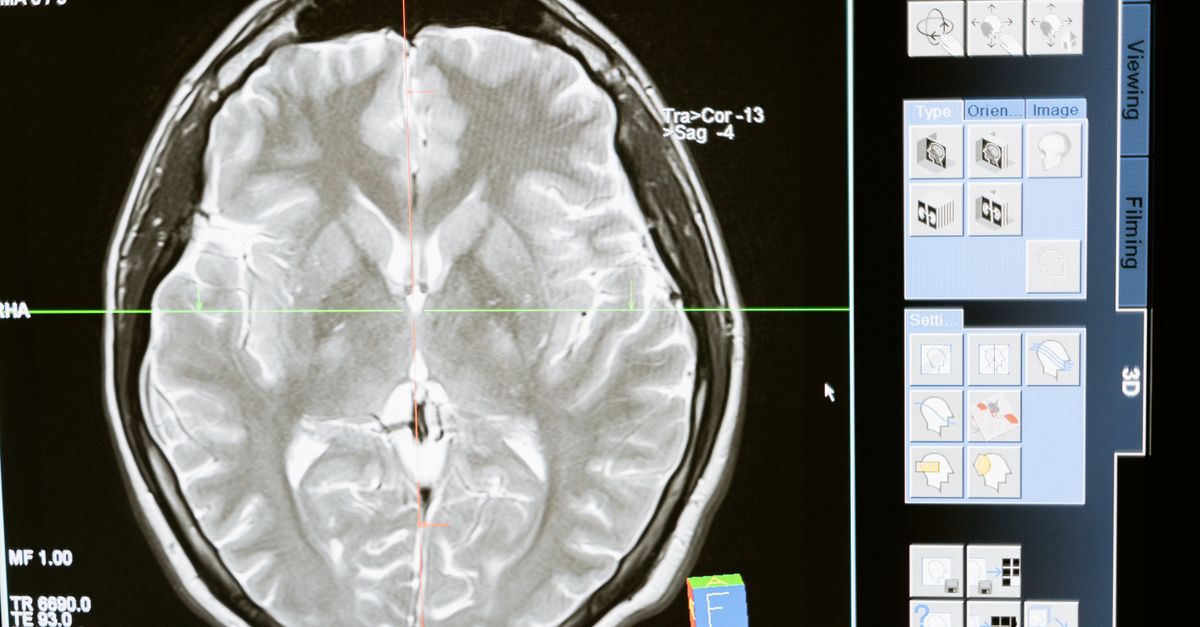
Photo by MART PRODUCTION on Pexels
New mortality study links CTE to three‑quarters of NFL deaths
The analysis released this week shows that 75% of NFL players who died over a 15‑year span carried the neuropathological hallmarks of chronic traumatic encephalopathy (CTE). The finding comes from a health‑focused investigation that reviewed death records and brain autopsies of former players, confirming a stark correlation between professional football and the degenerative brain disease. The study builds on earlier work that identified CTE in 110 of 111 examined NFL brains and in 99% of a larger sample of 202 former football players. Researchers noted that the sample likely overrepresents families who observed symptoms and therefore donated brains, a bias that makes precise risk estimates elusive. Still, the consistency across independent autopsy series strengthens the argument that repeated head trauma in the NFL creates a high‑risk environment for CTE.
Diagnosing CTE in the living: the Fred McNeill case
For decades the only definitive CTE diagnosis required an autopsy. That rule was challenged last month when Dr. Bennett Omalu presented evidence that a former Minnesota Vikings linebacker, Fred McNeill, showed CTE‑consistent tau deposits during a PET scan using a novel tracer. The scan, part of a pilot effort to validate a living‑patient test, matched the post‑mortem pathology after McNeill died. Omalu emphasized that the method remains experimental. He told the Commonwealth Club of California that the research team still needs “a couple million of dollars” to move from proof‑of‑concept to a clinically approved diagnostic. The National Institutes of Health and the National Institute of Neurological Disorders and Stroke have pledged $16 million to a seven‑year study aimed at scaling such techniques, but no FDA‑cleared tool exists yet.
The scientific debate: prevalence versus existence
Not everyone accepts CTE as a distinct disease. A 2013 study led by neurologist Christopher Randolph argued that the presence of tau protein alone does not prove a unique pathology, noting that tau accumulates in Alzheimer’s patients as well. The paper highlighted a lack of epidemiological data linking repetitive concussion directly to a separate clinical syndrome. Boston University’s CTE Center counters that argument with hard autopsy data: 110 of 111 NFL brains examined showed the disease, and the same researchers reported higher rates of mild cognitive impairment among retired players compared with the general population. The disparity between post‑mortem prevalence and the uncertainty around living‑patient biomarkers fuels an ongoing tension in the field.
Legal, league, and research response
The NFL publicly acknowledged a link between football and CTE in 2016 and settled a class‑action lawsuit in 2015, offering up to $5 million per retired player for serious head‑trauma‑related conditions. The league cites ongoing collaboration with scientists to improve player health, but critics point out that most studies still rely on self‑selected brain donations rather than population‑wide sampling. Veterans and amateur athletes face similar exposure risks, a point emphasized by Dr. Ann McKee, co‑author of the JAMA study. She warned that “there’s no question that there’s a problem in football” and urged broader research that includes non‑professional cohorts. Funding gaps and the need for a reliable living diagnostic remain the biggest hurdles to translating these findings into preventive policies.
What to watch
The next few years will reveal whether the experimental tau tracer, often called TauMark, secures FDA approval for routine clinical use. Equally important will be the interim results of the NIH‑funded seven‑year study, which could clarify how often tau deposits translate into functional impairment. Stakeholders should monitor the NFL’s funding commitments and any legislative moves to mandate concussion protocols, as those decisions will shape the risk landscape for current and future players.
Related Articles

Underground Servers, Water Rockets
Russia builds hidden data hubs, a startup tests water propellant, the Smithsonian reopens, and a third human bird flu case raises biosecurity stakes.
Reddit Ads, Ferrari EV Sellout, and Auto Tech Shifts
Reddit tests search ads as traffic wanes, Ferrari's Luce EV books out through 2027, and auto interiors pivot to buttons and holographic HUDs amid shifting revenue models.

Lenovo $900 Slim 5x, iPhone Duo $1,200 Deal, AirPods 5 ANC
Lenovo's IdeaPad Slim 5x hits $900, carriers bundle iPhone Duo with up to $1,200 off on 36‑month plans, and Apple adds ANC to every AirPods model.