

Google Fi’s Super Network Switch Hits Pixel


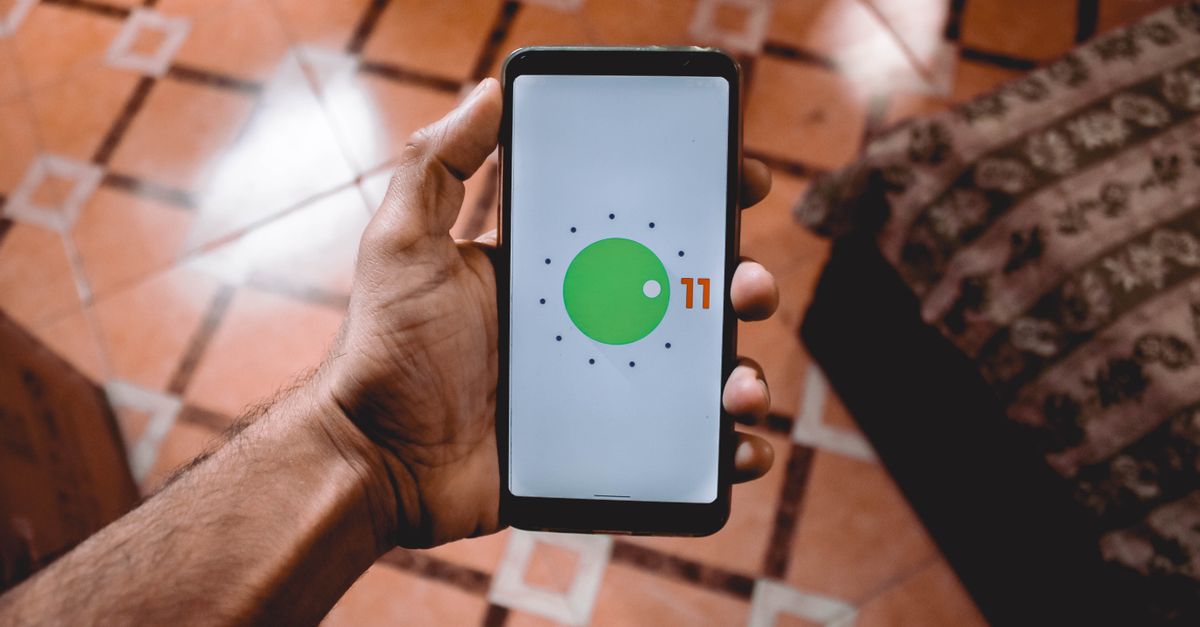
Photo by Sanket Mishra on Pexels
Google Fi is rolling out its Super Network automatic carrier switching on Pixel phones, a move that promises faster data and steadier calls. The feature lands now on Pixel devices and will expand to other handsets by 2027.
Google says the switch monitors signal quality in real time and flips to the strongest carrier without user input. Early adopters will notice fewer dropped calls and smoother streaming on crowded networks. The rollout starts with the latest Pixel lineup and will trickle out to older models as the software matures. Google has slated a broader release for 2027, giving the company time to fine‑tune the algorithm across carrier partnerships.
Android 17 QPR2 is arriving a month ahead of schedule, bundled with the November 2026 Feature Drop and a fresh security patch. The update is already downloading for a long list of Pixel devices, from the 6a up through the 11 Pro Fold. Google’s rollout includes the Pixel Tablet, Fold, and the entire 8, 9, and 10 series, covering both base and Pro variants.
The update touches every major subsystem. Fixes span apps, audio, battery and charging, Bluetooth, camera, connectivity, display and graphics, framework, performance, sensors, system, telephony, and the user interface. Each category receives a handful of bug squashes that were flagged in the previous quarterly patch cycle. For example, the telephony fixes address intermittent LTE handoff issues that some users reported after the last carrier‑switching beta.
Pixel Journal is getting a sizable upgrade that adds Recorder audio entries and a file‑export option. The new audio integration lets users attach voice memos directly to journal entries, turning the app into a lightweight audio diary. Exporting entries as files means the content can be moved into other note‑taking or archival tools without manual copy‑pasting.
The Recorder addition feels like a natural extension of the Journal’s “capture the moment” premise. Users can now record a quick thought after a meeting and have it appear alongside typed notes, all within the same timeline. The export feature solves a long‑standing pain point: getting journal data out of the locked‑down Google ecosystem for backup or cross‑platform use.
Power users will feel the impact of these three moves immediately. The Super Network switch removes the need to manually toggle between carriers when traveling between Wi‑Fi dead zones, a frequent annoyance for developers testing on the go. The early Android 17 QPR2 rollout means the same users get critical stability patches sooner, reducing the risk of crashes during heavy workloads.
Journal’s audio support also shifts the workflow for on‑the‑fly documentation. Instead of firing up a separate voice‑memo app, users stay inside the Journal, preserving context and timestamps automatically. The export option gives teams a reliable way to archive project logs for compliance or post‑mortem analysis.
Together, the updates illustrate Google’s strategy of tightening the Pixel experience around reliability and seamless data capture. The company is not chasing flash features; it is tightening the nuts and bolts that power daily productivity. By automating carrier selection, fixing lingering bugs, and opening up journal data, Google nudges the Pixel ecosystem toward a more frictionless workflow.
What to watch: the next wave of Super Network rollout slated for 2027, which will reveal how Google scales carrier‑switching across non‑Pixel hardware. Keep an eye on Android 17 QPR3 in early 2027 for additional performance tweaks, and monitor community feedback on Pixel Journal’s audio export to see if Google expands the feature into a full‑fledged audio‑note suite.
Related Articles
Pixel discounts highlight small‑phone hopes amid flagship bloat
Google slashes Pixel 11 prices while a 5.3‑inch Android aims for 2027, exposing tension between ballooning flagships and a niche for compact phones.

Google’s Android Moves: Deals, Bugs, and a Platform Pivot
A rundown of fresh Android app discounts, Pixel 11 beta rollout, Meet hardware shift to Android, and new AI tools amid a Play Store crackdown.
Pixel 8 gets 7‑year support, Samsung extends Android updates
Google promises seven years of OS and security updates for Pixel 8, while Samsung now offers four years of security patches, reshaping the Android update race.