

OpenAI adds business profiles as ChatGPT edges toward search


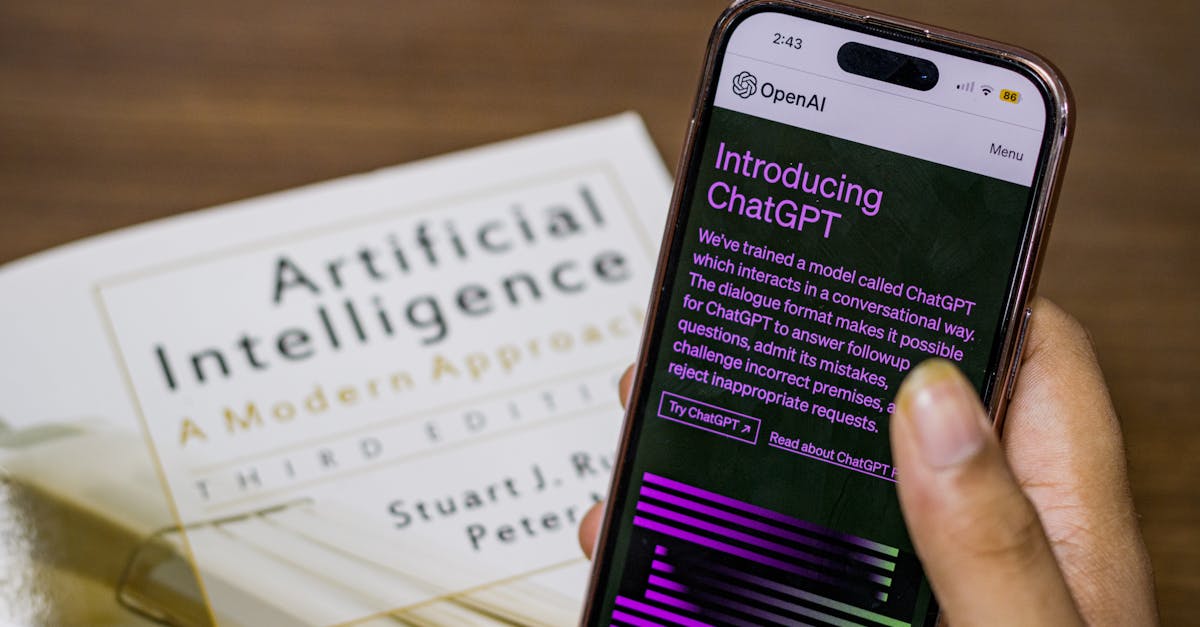
Photo by Andrew Neel on Pexels
OpenAI launched business profiles for ChatGPT on Tuesday. The feature lets companies embed structured information directly into the chat interface.12345
TechCrunch reported that the profiles include company names, brief descriptions, and links to official sites.4 OpenAI said the move is meant to make ChatGPT a more robust consumer discovery engine.3 The rollout arrives as AI chat tools increasingly compete with traditional search.
OpenAI’s new business profiles
OpenAI introduced the profiles as a native element of the ChatGPT UI.3 Users see a card when they ask about a product or service. The card displays a logo, a tagline, and a clickable link to the vendor’s homepage.
According to the same TechCrunch piece, OpenAI does not charge businesses for the basic listing. It offers paid tiers for richer media and priority placement. The company framed the change as a response to user demand for faster, vetted answers.4
The announcement omitted any pricing details for premium tiers.2 OpenAI also did not disclose how many businesses have signed up so far. The lack of data leaves the economic impact uncertain.
How the move reshapes consumer discovery
ChatGPT now surfaces business cards alongside conversational answers. That blurs the line between search results and AI-generated text. For users, the experience feels more like a curated directory than a pure chatbot.
Critics note that the model still generates its own prose around the card. The surrounding text can bias perception of the listed company. OpenAI has not explained how it ranks competing profiles for the same query.
The shift raises a question about algorithmic neutrality. If ChatGPT favors paid listings, the platform could become a de‑facto advertising channel. Regulators have not yet addressed AI‑driven commercial placement, but the issue may surface soon.
Competitive pressure from device tracking and AI assistants
Google answered the consumer‑tech trend with Pixel Tag, a $30 Android‑ready tracker.678 TechCrunch highlighted that Pixel Tag mirrors Apple’s AirTag but targets the larger Android market. The device pairs with a phone via Bluetooth and reports location to the cloud.678
Ring re‑entered the indoor surveillance space with a $250 drone camera. WIRED described the product as a flying cam that patrols a home and streams video to a mobile app. The company also offers a stationary Rover Cam for businesses, built on the hardware of Amazon’s former Astro robot.
Meta expanded its Muse AI assistant to wearables. TechCrunch noted that Muse now runs on Apple Watch and Android Wear OS, allowing voice calls, text messages, and dictation. The integration pushes AI assistants deeper into everyday hardware, competing with OpenAI’s software‑first approach.
These moves illustrate a broader scramble for user attention across devices. While OpenAI upgrades its software layer, hardware makers embed AI and tracking directly into consumer products. The divergent strategies create a fragmented ecosystem for discovery.
Accessibility and content curation trends
Apple TV added built‑in sign‑language interpretation for supported titles. TechCrunch reported that viewers can toggle the feature in the settings menu. The addition expands accessibility without requiring third‑party apps.
Streaming platform Tubi now lets users share curated watchlists. Ars Technica explained that the feature surfaces community‑generated recommendations, making it easier to discover new shows. The social layer resembles a lightweight recommendation engine.
Valve released new FPS data for the Steam Deck, according to Ars Technica. The benchmark suite measures frame rates across popular games, hinting at future performance‑tracking tools for PC hardware. While not directly tied to AI, the data underscores a market appetite for transparent metrics.
Together, these updates reflect a push toward more personalized, discoverable experiences. Companies are layering AI, accessibility, and social signals on top of existing platforms. The trade‑off is increased complexity for developers and potential privacy concerns for users.
What to watch
OpenAI will publish usage statistics for business profiles in its next quarterly report.3 Analysts will watch the adoption rate and any shift in ad‑like revenue. At the same time, regulators may examine how AI chat tools present commercial content. The next quarter should reveal whether OpenAI’s discovery push gains traction or invites scrutiny.
Footnotes
Related Articles

OpenAI expands ChatGPT shopping as Grok allegedly advises Trump
OpenAI adds virtual try‑on to ChatGPT, while Musk's Grok is tied to a reported Trump request on a Venezuelan invasion; staff firings and Audible's AI stories add to the turbulence.

ChatGPT gains iMessage control as OpenAI rolls out new plugins
OpenAI's new iMessage plugin lets ChatGPT send messages, while a faster photo shortcut lands on iPhone and leaked conference plans hint at custom bots and enterprise plans.
OpenAI Updates ChatGPT
OpenAI releases ChatGPT Images 2.0 model and updates Mac apps due to security issue, while investigating mental health concerns