

FAA National Ground Stop Halts U.S. Air Travel


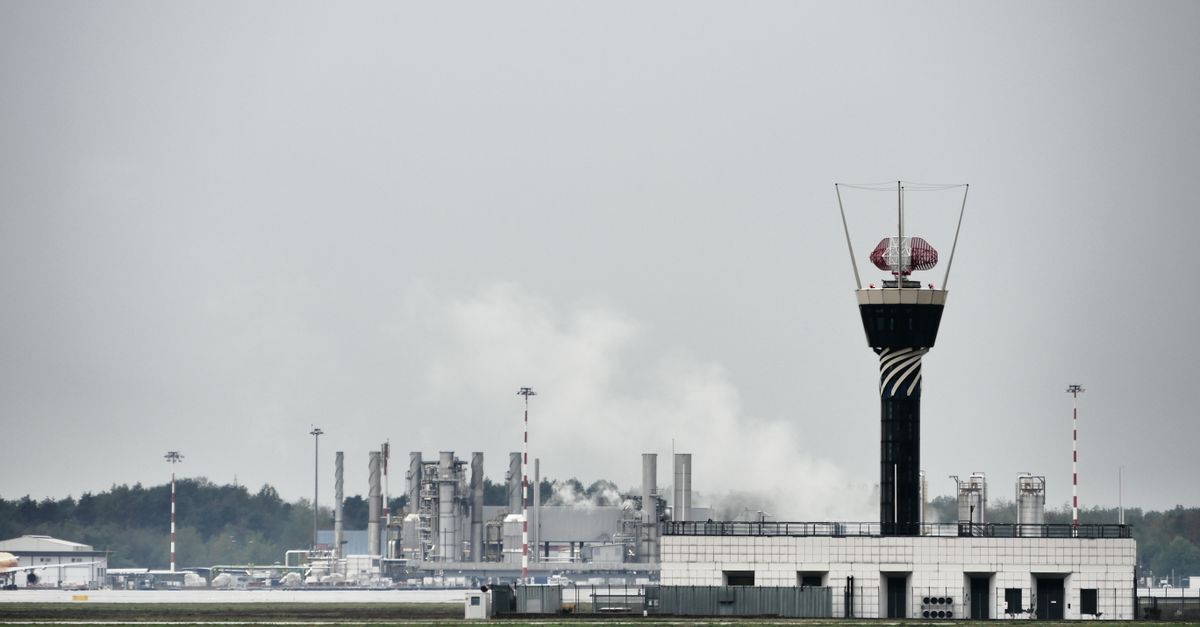
Photo by Aman Uttam on Pexels
Nationwide FAA Ground Stop Takes Flight Operations Offline
The FAA lifted a National Ground Stop at 0119 Z on Nov. 14, 2026, ending a full‑scale pause of takeoffs and landings across the United States. The pause began the previous day and forced every commercial and private flight to remain on the ground.
The FAA’s advisory, posted on its official site, listed the lift time as 0119 Z and confirmed that all airports could resume normal operations. The advisory did not disclose a cause, but the scale of the stop—affecting every runway from sea‑level to high‑altitude fields—made the event unprecedented in recent memory.
Amtrak Booking System Crashes Under Air‑Travel Blackout
Amtrak’s online ticketing platform went dark on Nov. 13, 2026, as the FAA ground stop unfolded. Fox 5 DC reported that customers received generic error messages while attempting to book or modify trips.
The rail carrier’s outage coincided with a surge in passengers scrambling for alternatives to air travel. Engineers later confirmed that the booking engine failed to handle the sudden spike in traffic, a problem that the airline shutdown amplified. Amtrak has not released a timeline for full restoration, but the incident highlights how tightly coupled air‑ and rail reservation systems have become.
Live Airband Frequencies Silenced, Communications Disrupted
A live airband broadcast from KORS in Victoria, California, was forced off‑air when the ground stop went into effect. The station’s website notes that all frequencies were ground‑stopped, effectively muting the continuous music feed that pilots and hobbyists rely on for situational awareness.
The loss of the airband underscores a secondary impact of the FAA’s action: any service that piggybacks on aviation frequencies must cease when the regulator issues a blanket stop. Listeners on hobbyist forums reported the abrupt silence, confirming that the shutdown extended beyond commercial traffic.
How FAA Ground Stops Work and Why They Matter
A National Ground Stop is an FAA directive that orders all aircraft en route to hold and all departing flights to remain on the runway until further notice. The order propagates through the ATC network, overriding local tower clearances. Controllers broadcast the stop on all frequencies, and pilots acknowledge with a read‑back of the instruction.
Ground stops are typically reserved for extreme weather, security threats, or major system failures. They give the FAA a single point of control to prevent cascading delays when a bottleneck threatens the national airspace. In this case, the FAA issued the stop without public justification, which is permissible under its emergency authority.
The technical implementation relies on the Traffic Management Advisor (TMA) and the National Airspace System’s data link. When a stop is activated, the TMA injects a “hold” message into the flight plan, and the system automatically blocks further clearances. The result is a coordinated pause that, while disruptive, prevents uncontrolled congestion in the sky.
What to Watch Next
Travel planners should monitor the FAA’s next advisory for any repeat of the ground stop, especially if weather models show worsening conditions in the Midwest. Amtrak will likely issue a post‑mortem on its booking failure; the rail carrier’s response could drive a redesign of intermodal reservation APIs. Finally, hobbyist airband operators should prepare contingency streams for future FAA-wide halts, as the KORS outage proved that even non‑essential services are vulnerable.
Related Articles
FAA commits $875 M to AI traffic manager, eyes nationwide rollout
The FAA plans to deploy an AI system to ease DC airspace congestion, sparking debate over safety, oversight, and military precedent.

Texas Hyperloop Pitch, SpaceX Starship Test
A Boring Company hyperloop proposal, SpaceX’s looming Starship test, and Joby Aviation’s autonomous coast‑to‑coast flight reveal how bold infrastructure bets clash with hard market realities.

Google buys nuclear power, teen makes acoustic extinguisher
Google will purchase half the output of a Finnish nuclear plant. A Mexican teen unveiled a sound‑wave fire extinguisher that claims seconds‑scale suppression.