

Linux gaming gains kernel depth as ARM Macs join the fight

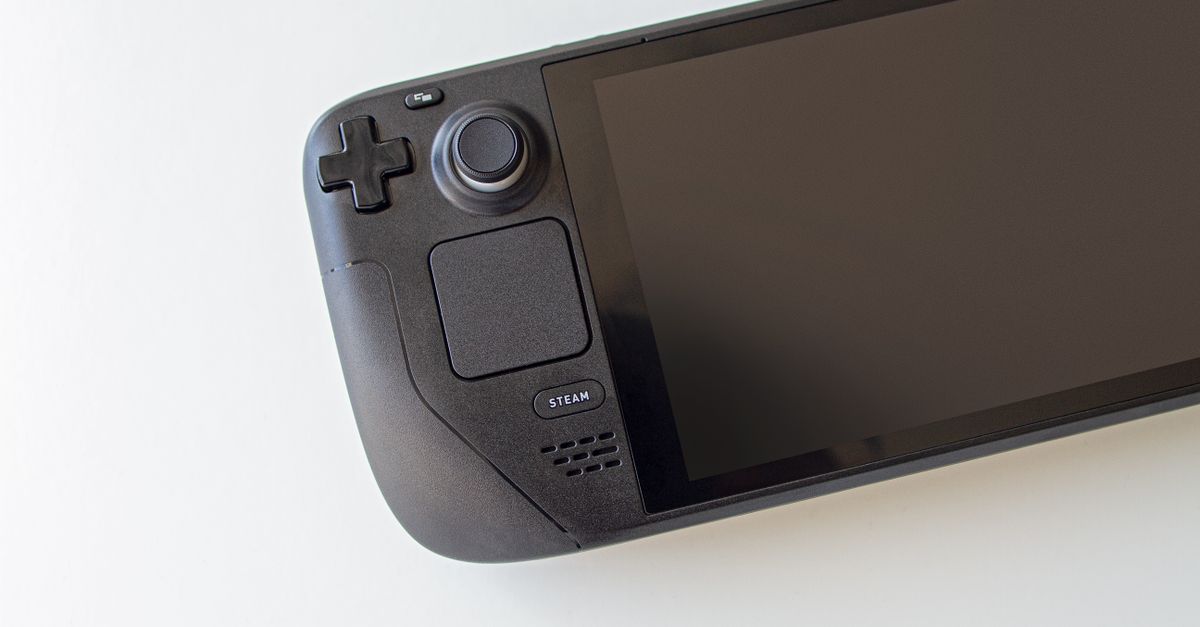
Photo by Edgar Almeida on Pexels
Linux kernel gains native Windows sync primitives
In March 2026 Linux hit 5 % of Steam’s active user base, the highest share the OS has ever recorded.12345 The jump coincided with Microsoft’s end‑of‑support deadline for Windows 10 last October, which nudged a wave of users toward alternatives.678 Valve’s Steam Deck, already a Linux‑powered handheld, now ships with NTSYNC enabled by default.
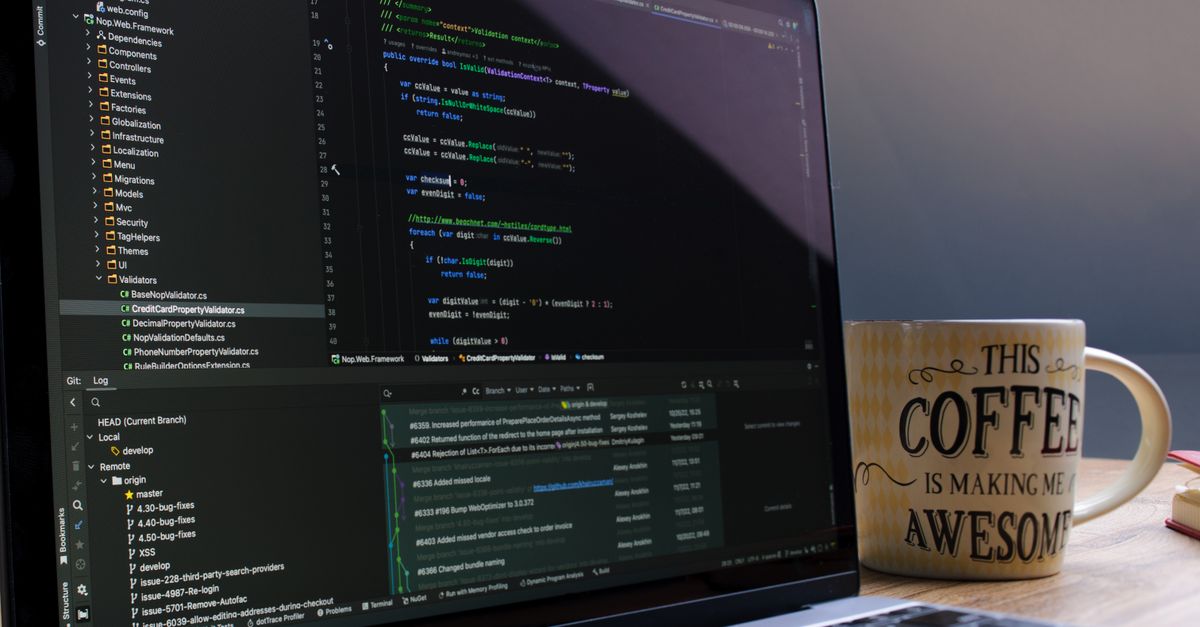
NTSYNC is a small driver baked into the Linux kernel. It implements the Windows‑specific synchronization calls that games use to coordinate threads. Prior to NTSYNC, Wine and its Valve‑tuned fork Proton emulated those calls with esync and fsync layers, which often fell short of native timing. By moving the implementation into the kernel, Wine no longer needs to translate the calls; the API surface stays the same while the kernel answers natively. Early benchmarks on the Deck show noticeable frame‑time reductions compared to the esync baseline.
Asahi Linux brings ARM‑Mac gaming to the fore
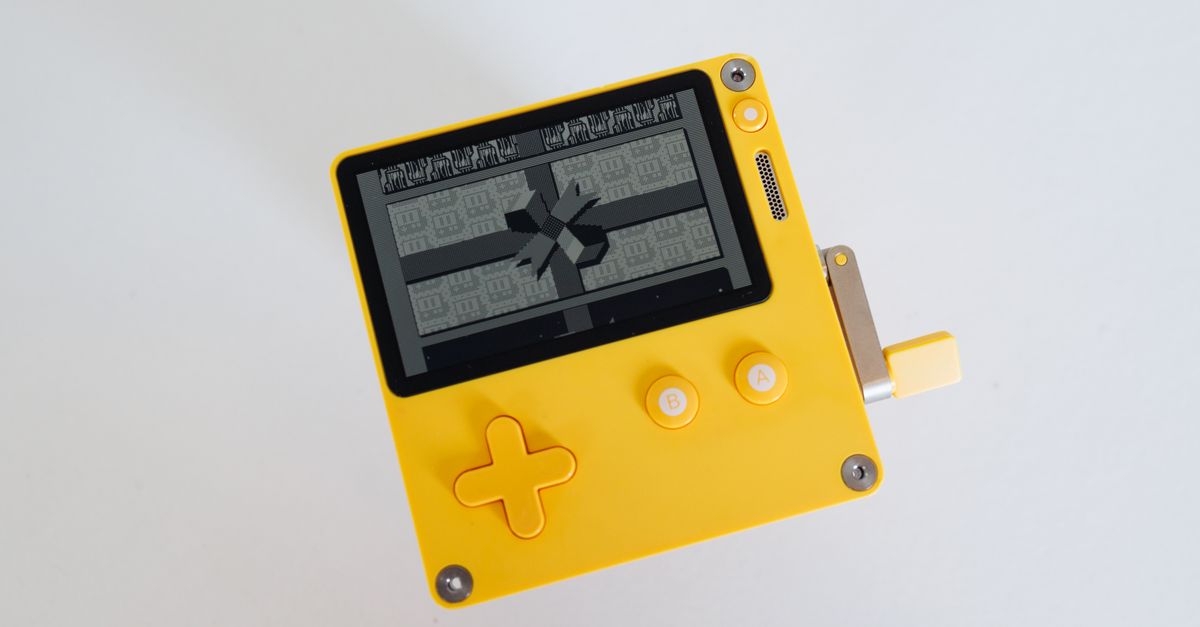
Panic’s Playdate may be a niche handheld, but the real surprise comes from Asahi Linux’s new game‑playing toolkit. The alpha release bundles Vulkan 1.3 drivers, an x86‑emulation layer, and a conformant OpenCL 3.0 stack for Apple silicon. The toolkit’s first headline title, Control, runs without obvious glitches.
Running Windows binaries on M1/M2 chips still demands 16 GB of RAM because the emulation layer inflates memory footprints. The underlying obstacle is page size: Linux expects 4 KB pages, while Apple’s hardware uses 16 KB pages. Asahi cannot mix page sizes within a single process, so it spins up a tiny virtual machine via muVM that presents a 4 KB page environment to the game while passing through the GPU and controllers. The host sees 16 KB pages, the guest sees 4 KB pages, and the user can launch titles like Fallout 4.
The toolkit also tackles graphics features that Apple silicon lacks natively. Tessellation, required by modern titles such as The Witcher 3, is synthesized with compute shaders because the M1’s hardware tessellation unit cannot translate DirectX or Vulkan calls. Geometry shaders receive a similar treatment; they are emulated with compute even though the result is slower than native desktop GPUs. Robustness extensions (VK_EXT_robustness2) are satisfied by reserving a 64‑GB zero‑filled virtual region and swapping out out‑of‑bounds buffer addresses with that region, a trick that costs only two compare‑and‑select operations per load.
GOG eyes Linux with native client development
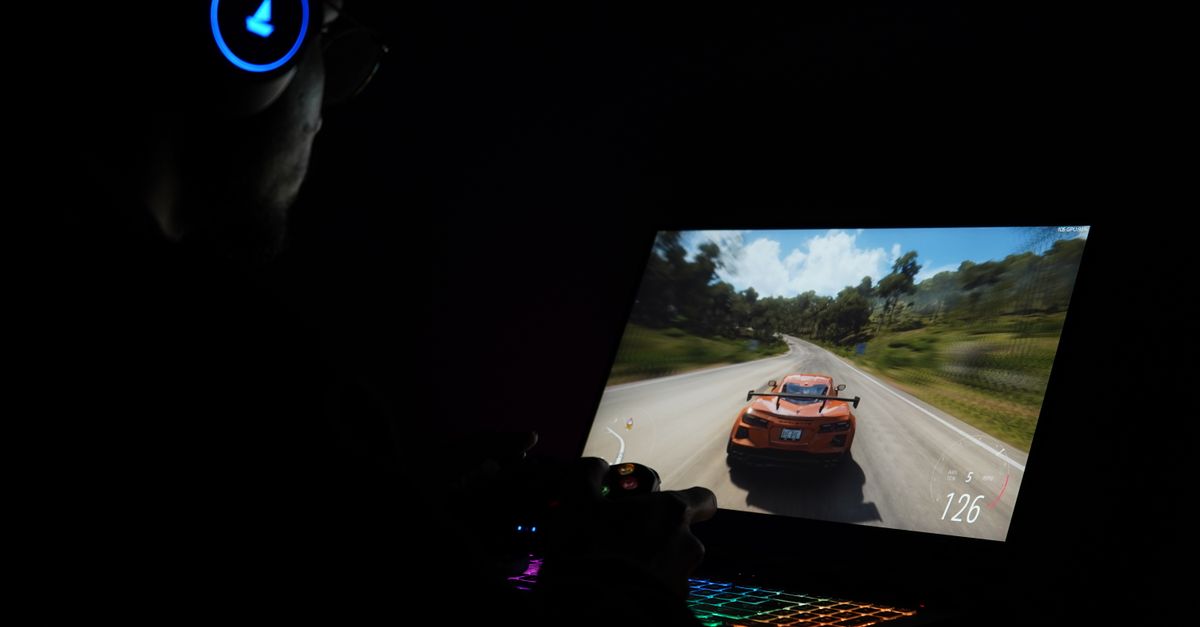
GOG announced a senior engineering opening focused on Linux support for its Galaxy desktop client. The job posting, spotted by VideoCardz, states that Galaxy currently delivers its library, community tools, and optional features on Windows and macOS, and that Linux is “the next major frontier.”
The role promises to shape Galaxy’s architecture, tooling, and C++ code standards with Linux in mind from day one. While Galaxy is not required to launch purchased games, a native client would eliminate the need for users to rely on Wine or Proton wrappers. The move aligns with a broader industry trend: developers are increasingly willing to allocate resources to Linux because the user base, though still modest, is growing in purchasing power and technical competence.5
What this means for dedicated graphics cards and iGPUs
Modern integrated graphics processors are surprisingly capable, but they aren’t without limitations. An iGPU can handle many titles at 1080p when paired with a recent CPU, yet the emulation overhead described in the Asahi toolkit still forces a 16 GB memory ceiling and a reliance on virtual machines for page‑size translation. Those constraints push power users toward discrete GPUs that provide native 4 KB page handling and ample VRAM.
Dedicated cards also sidestep the kernel‑level synchronization gap that NTSYNC resolves. While NTSYNC narrows the performance gap between Linux and Windows, the driver still runs atop the kernel and cannot fully compensate for the raw bandwidth and compute headroom that a modern RTX or Radeon card supplies. For developers targeting high‑fidelity titles—Control, Witcher 3, Fallout 4—the combination of a discrete GPU and a Linux kernel that now speaks Windows sync natively yields a smoother experience than relying on an iGPU alone.
What to watch
The next Steam Deck firmware update will expose NTSYNC performance metrics across a broader game set, giving the community a clearer picture of its impact. Asahi Linux plans a stable 1.0 release later this year, which should include full Vulkan 1.3 support without the current alpha caveats. Finally, GOG’s roadmap for a Linux Galaxy client is expected to surface in a developer blog within the next quarter. Tracking these milestones will reveal whether the Linux gaming ecosystem can finally shed its “novelty” label and become a primary platform for both indie and AAA titles.
Footnotes
Related Articles
GOG hires engineer to bring Galaxy to Linux
GOG announces a senior engineer role aimed at launching its Galaxy client on Linux, a move that could shift the gaming‑software landscape.
Linux gaming performance jumps as kernel takes over Windows sync
Linux hits 5% of Steam users and gains speed thanks to the NTSYNC driver moving Windows sync primitives into the kernel.
Linux Gaming Hits 5% of Steam Users
Linux reaches a 5% share of Steam users in March 2026, prompting new kernel drivers, cloud rigs, and niche hardware to rethink value and competition.