

The Sticker Shock of 2026: Why Your Next Laptop Will Cost More


Photo by Markus Winkler on Pexels
The year 2026 is rapidly solidifying a disheartening narrative for tech enthusiasts and everyday consumers alike: the era of affordable computing is increasingly a relic of the past. Major players like Microsoft and Samsung are enacting substantial price hikes across their laptop lineups, making premium devices even more exclusive and effectively eliminating entry-level options. This pervasive “sticker shock” is defining the consumer technology landscape, forcing a re-evaluation of value and accessibility.
Microsoft’s popular Surface PC range, once lauded for its versatility and a spectrum of offerings, is at the forefront of this unsettling trend. Consumers are now faced with price increases ranging from $200 to an eye-watering $300, even on existing, two-year-old models. Perhaps more telling is the complete disappearance of any sub-$1,000 Surface device from Microsoft’s official storefront. This fundamental shift means that entry into the Surface ecosystem now demands a significantly higher financial commitment, pushing once-accessible technology further out of reach for many. It’s a stark illustration of paying substantially more for hardware that isn’t necessarily newer or improved, creating a clear premium barrier.
This inflationary trend isn’t confined to a single ecosystem; it appears to be a systemic shift. Samsung, another titan in the consumer electronics space, is mirroring Microsoft’s strategy with its Galaxy Book 6 series. As the base model of the Galaxy Book 6 finally makes its debut in the US market, it arrives accompanied by price increases that can climb as high as $600 across the entire product family. The irony is palpable: even as new generations or entry-level configurations are introduced, they are doing so at significantly elevated price points, resetting the baseline for what consumers can expect to pay for modern portable computing. This synchronized escalation from industry leaders signals a broader market recalibration.
Industry observers and frustrated consumers alike are left grappling with what has become the defining theme of 2026: “paying more for the same stuff.” While various complex factors likely contribute – from persistent global supply chain complexities, surging raw material costs, and inflation, to increased manufacturing expenses and a strategic pivot towards premiumization by manufacturers – the outcome is a universal burden on the end-user. The days when a decent, capable laptop could be acquired without breaking the bank seem to be rapidly fading into memory. This widespread surge in pricing not only impacts individual purchasing decisions and household budgets but also raises critical questions about digital inclusion, educational accessibility, and the future evolution of personal computing in an increasingly expensive landscape. For now, the message is clear: brace your wallets, because the cost of staying connected and productive is only going up, reshaping expectations for generations to come.
Updates
- 2026-10-18 — Video game ownership bill introduced in Congress (source)
- 2026-10-02 — TechCrunch Disrupt 2026: Clay’s Kareem Amin on the rise of the GTM engineer (source)
- 2026-09-29 — Nothing’s New Headphone (1) Pro Are Made for the Studio (source)
- 2026-08-04 — How to get the best hotel deals for TechCrunch Disrupt 2026 (source)
- 2026-07-31 — Review: The Galaxy Z Fold 8 Ultra ticks every box, but it’s the boring option now (source)
- 2026-07-30 — Xiaomi’s SkyNomad N90 Max is an extended-range EV with a transforming interior (source)
- 2026-05-14 — I used the Motorola Razr Fold for a week, and I think it’s the best foldable* (source)
- 2026-04-30 — FDA approval, fundraising, and the reality of building in healthcare according to BioticsAI founder (source)
- 2026-04-30 — Motorola Razr Fold price and availability announced ahead of iPhone Ultra (source)
- 2026-04-29 — The keyboard used to score Dune 2 is getting more affordable (source)
- 2026-04-28 — Claude can now plug directly into Photoshop, Blender, and Ableton (source)
- 2026-04-24 — Alex Jones has uncovered another massive conspiracy (source)
- 2026-04-24 — The RAM shortage could get even worse if Samsung labor protests cut production (source)
- 2026-04-21 — Dyson’s back with a travel-size Supersonic hairdryer (source)
- 2026-04-20 — The FAA grounds Blue Origin New Glenn rocket after failure to put payload in orbit (source)
Related Articles
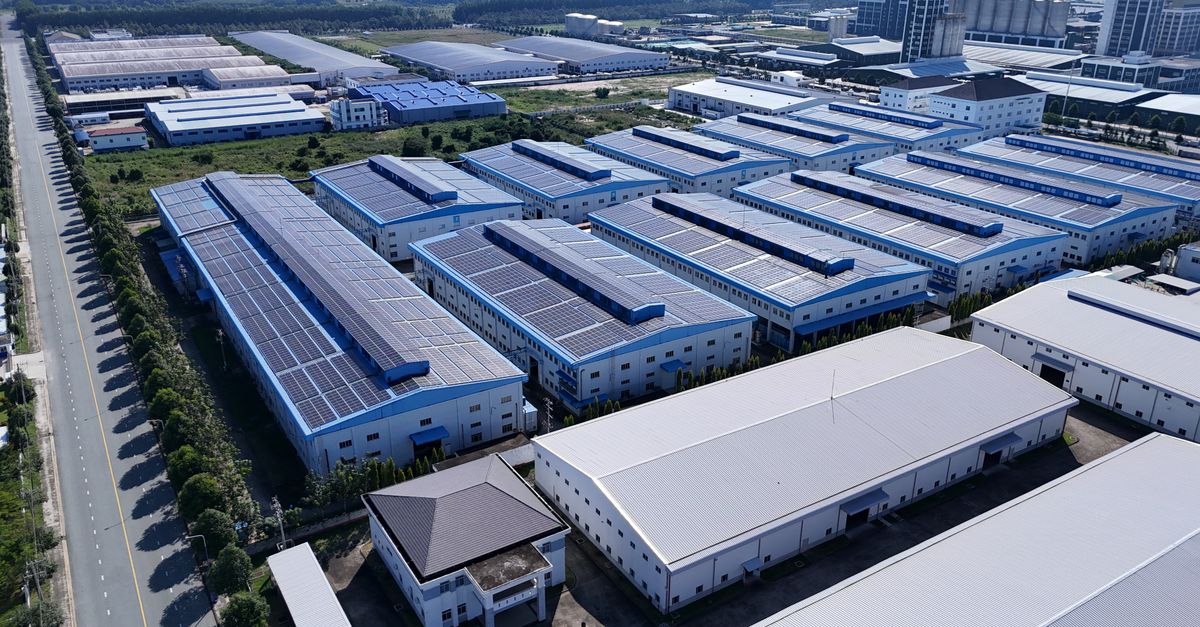
Ambrosia's Texas Battery Plant and a Week of Unusual Gadgets
Ambrosia Energy's 10 GWh factory signals a shift for off‑grid data centers while new consumer tech from Formlabs, Breville, JackRabbit, and Nothing lands on desks and kitchens.
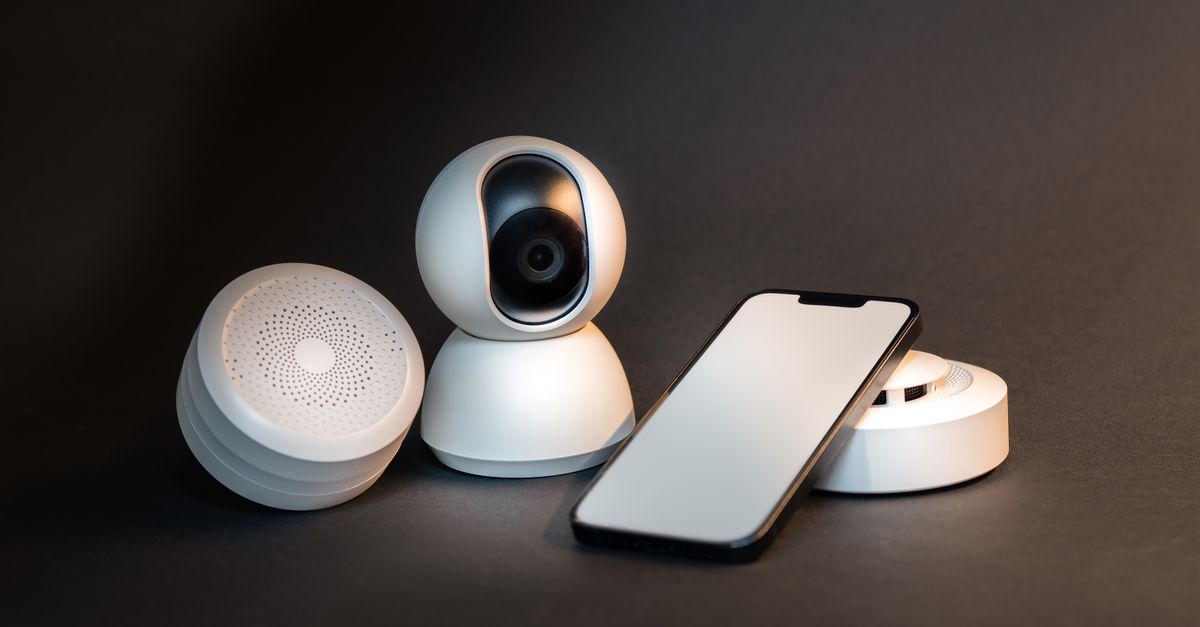
DIY Security and Deep Discounts Shift Consumer Spending
Home security DIY, earplug coupons, rug promos, and laptop deals show shoppers favor one‑off savings over recurring fees.

Tech Roundup: Ebikes, Laptops, Power Banks, and Mic Systems
Latest tech news on ebikes, laptops, power banks, and mic systems from various sources.