

Spotify scissors let podcasters trim and share audio clips


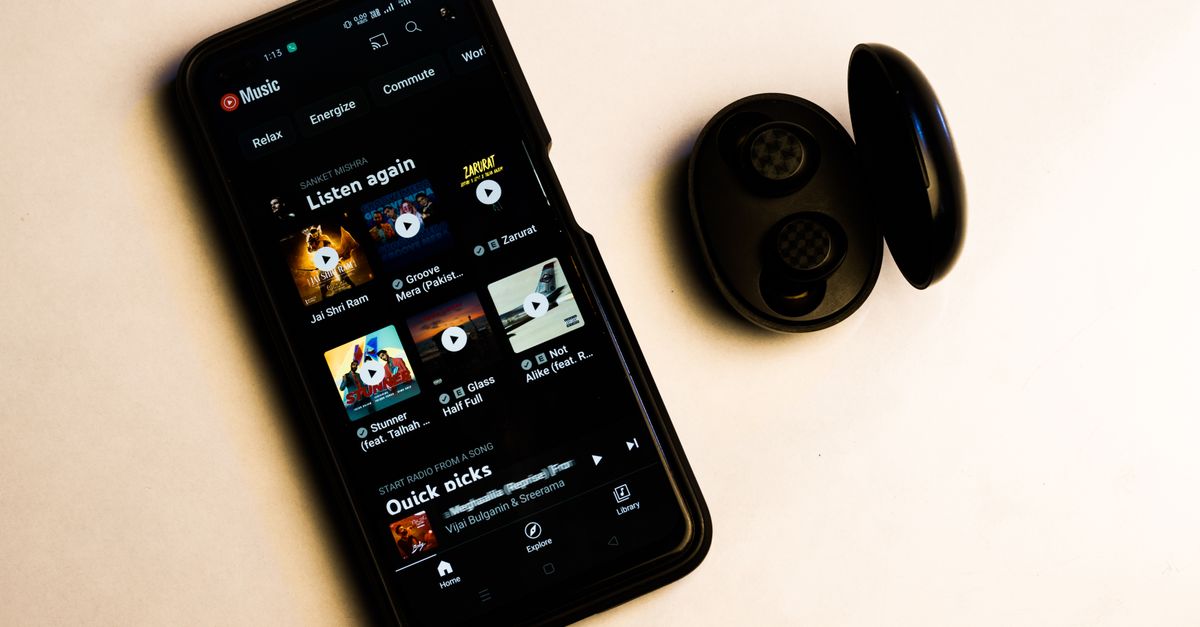
Photo by Kampus Production on Pexels
Spotify rolled out a new scissors icon that lets listeners carve out short clips from any episode and push them directly to their followers. The feature turns a fleeting comment or punchline into a shareable snippet, giving creators a fast‑track to audience growth.
The icon appears in the mobile and desktop apps alongside the usual playback controls. Tapping it opens a simple editor where users select start and end points, then hit share. The resulting clip can be posted to social feeds, embedded in newsletters, or sent as a direct link. Spotify frames the tool as a way for podcasters to surface the most compelling moments without forcing listeners to hunt through an hour‑long conversation.
Why clipping matters for creators
Podcasters have long struggled with discoverability. A single episode can sit in the catalog for months, while a single witty exchange might go unnoticed. By allowing creators to slice out highlights, Spotify gives them a ready‑made promotional asset. The clips can live on Twitter, Instagram, or TikTok, where short‑form video dominates attention spans. In practice, a host can turn a 30‑second soundbite into a teaser that drives traffic back to the full episode.
The workflow is deliberately low‑friction. There is no need for external editing software; the built‑in editor handles trimming and exporting. For creators who already publish multiple episodes a week, the time saved on post‑production is significant. Moreover, the shareable link retains the original audio quality and includes a direct play button, reducing friction for new listeners.
The broader push toward interactive audio
Spotify’s move is part of a larger industry trend that blurs the line between linear storytelling and interactive experiences. Venture capitalists are betting heavily on the convergence of gaming, AI, and media. As one investor noted, advances in artificial intelligence and computing power are merging gaming and linear storytelling into new interactive media. That same momentum fuels tools that let audiences remix or repurpose content on the fly.
Investors such as those at Founders Fund and Lightspeed have highlighted “live and interactive mobile‑first entertainment” as a hot area, backing platforms that let users engage with content in real time. While Spotify’s clipping tool is not AI‑driven, it shares the same philosophy: empower users to create derivative experiences without leaving the host platform. The result is a more participatory ecosystem where listeners become micro‑curators, amplifying the reach of the original show.
Investment climate and the future of media
The funding landscape shows a clear appetite for technologies that make media more modular. VCs have poured money into synthetic media, digital celebrities, and tools that remember past interactions to personalize experiences. The underlying goal is to transform passive consumption into an active loop where content is constantly reshaped by its audience.
Spotify’s clipping feature could become a data point for future monetization strategies. If clips generate measurable traffic spikes, advertisers may pay for placement within those snippets, or creators could earn revenue based on clip performance. The ability to track how often a clip is shared, replayed, or leads to a full‑episode listen aligns with the metrics that investors demand from modern media platforms.
What to watch
The next few months will reveal whether clipping becomes a staple of podcast promotion. Key indicators include adoption rates among top‑tier shows, the emergence of third‑party tools that build on Spotify’s API, and any announcements of revenue‑sharing models tied to clip performance. If the feature drives measurable audience growth, we can expect competitors to roll out similar editors, turning clip‑centric promotion into an industry standard.
Updates
Related Articles

Gaming Studios and Media Sites Trim Staff Amid Consolidation
Sucker Punch cuts 24 jobs and Polygon shutters veteran writers after Valnet acquisition, highlighting tightening economics in gaming content.
YouTube eyes audiobooks as Spotify rewrites its app
YouTube Premium may add audiobooks, while Spotify rolls out a TikTok‑style feed, signaling a clash for listeners' time.

AI, Gaming, and Culture Collide in 2024
From Greta Gerwig's Bowie‑infused trailer to VC bets on AI‑driven media, the industry reshapes how we play and watch.