

Apple, Google, and RayNeo reshape the AR glasses race

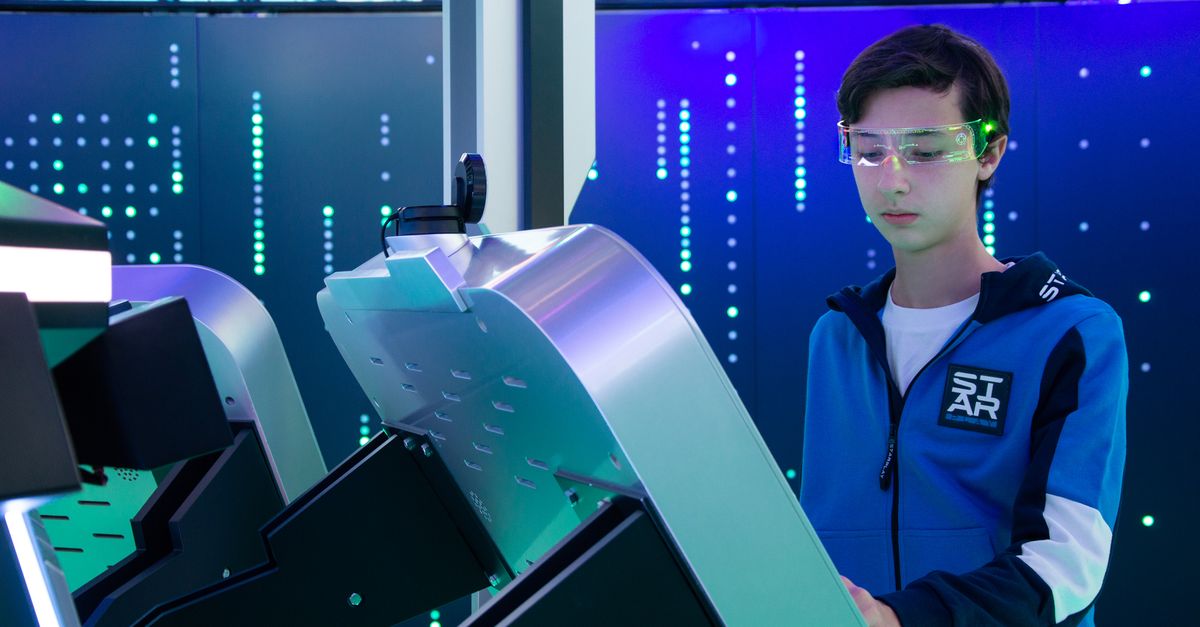
Photo by Vika Glitter on Pexels
RayNeo bets on both ends of the spectrum
RayNeo launched its newest AR smart glasses with a split personality: one model hides behind a discreet frame, the other shouts nerd‑level specs. The company says the minimalist version targets users who want a barely‑there visual aid, while the maximalist version packs extra sensors for developers and hobbyists. The dual approach tries to capture two opposite market segments in a space that has struggled to find a mass‑adoption sweet spot.
The discreet frames look like ordinary sunglasses, but they still overlay navigation cues and simple notifications. The nerdy sibling adds depth‑sensing cameras and a wider field of view, turning the glasses into a portable lab. RayNeo’s gamble is to let the same brand serve casual wearers and the developer community without diluting either experience.
Apple’s chip‑first strategy for smart glasses
Apple is engineering a custom silicon package that mirrors the Apple Watch’s S‑series but strips out non‑essential blocks to make room for multiple cameras. Bloomberg reports the chip will enter mass production by the end of 2026 or early 2027, with the glasses themselves slated for a launch in that window.
The chip’s design signals Apple’s belief that processing power, not just optics, will decide the winner in the smart‑glasses race. By reusing a proven watch architecture, Apple reduces risk while still delivering the compute bandwidth needed for real‑time AR overlays. The company is also working on AR glasses that could compete directly with Meta’s Ray‑Ban partnership, although no hardware details have emerged yet.
Apple’s broader silicon roadmap includes camera‑enabled Apple Watch and AirPods chips expected around 2027, alongside new M‑series and AI server silicon. The parallel timelines suggest Apple wants a unified hardware ecosystem that can feed data from wearables into its larger AI pipeline.
Google’s Android XR platform and Gemini AI
Google unveiled Android XR, an operating system built from the ground up for headsets and smart glasses. The OS ships to developers today, and Google hopes to see its first XR devices on shelves next year. Samsung is already co‑building a headset codenamed Moohan that should ship in that timeframe.
Android XR will run immersive versions of Maps, Photos, and YouTube, and it adds a multi‑window Chrome that lets users browse while staying in an XR environment. Existing Play Store apps will also run, echoing how Apple lets iPad apps live on Vision Pro. The platform’s breadth is intentional: Google chose the umbrella term “XR” to cover everything from full‑blown VR to subtle AR overlays.
At the heart of the experience is Gemini, Google’s multimodal AI. Sameer Samat, who runs the Android ecosystem, said a digital assistant integrated with XR is the “killer app for the form factor, like what email or texting was for the smartphone.” As Gemini learns to capture and generate audio‑video content, it could turn a pair of glasses into a conversational interface that reacts to the world in real time.
Market friction: competing visions and developer hurdles
Apple, Google, and RayNeo are all aiming at the same 2027 horizon, but they diverge on how to get there. Apple leans on custom silicon and a tightly controlled hardware stack; Google bets on an open OS and AI to fill the experience gap; RayNeo tries to own both the low‑profile and high‑spec niches.
Developers face a fragmented landscape. Android XR is still in its infancy, and only a handful of devices will be available for testing. Apple’s upcoming chip promises a unified hardware platform, but the glasses themselves remain unrevealed, leaving developers guessing about sensor layouts and UI constraints. RayNeo’s two‑track product line forces developers to choose between a minimalist API and a feature‑rich one, potentially splitting codebases.
The tension between open‑source friendliness and closed‑ecosystem performance could shape which approach wins market share. If Google can deliver a compelling AI‑driven experience on a range of hardware, it may attract the broader developer community. Conversely, Apple’s vertical integration could produce a smoother user experience that appeals to enterprise buyers willing to pay a premium.
What to watch
Track the first shipments of Samsung‑built “Moohan” headsets next year, as they will be the earliest real‑world test of Android XR. Keep an eye on Apple’s chip production timeline; a delay past late 2027 would push its glasses launch into a crowded 2028 market. Finally, monitor RayNeo’s sales split between its discreet and nerdy models—early adoption patterns will reveal whether a dual‑track strategy can survive in a market still searching for a clear winner.
Related Articles

Googlebook challenges Apple’s retail play as Mac Studio prices
Google’s $899 AI‑native laptop and Apple’s store‑first philosophy clash amid rising component costs and AI‑driven hardware bets.
Apple trims Siri
Apple cuts hundreds of jobs in Siri and Vision Pro, while iOS 27’s revamped Shortcuts app reshapes power‑user workflows, sparking a shift in the mobile OS arms race.
Google Gemini Passes 1 Billion Users, Overtaking ChatGPT on iOS
Gemini hits a billion users, drives massive voice and image activity, and lands a deep partnership with Apple, reshaping the consumer AI race.