

Omega Mini Moonwatch and Gaming Audio Moves Signal Shifts

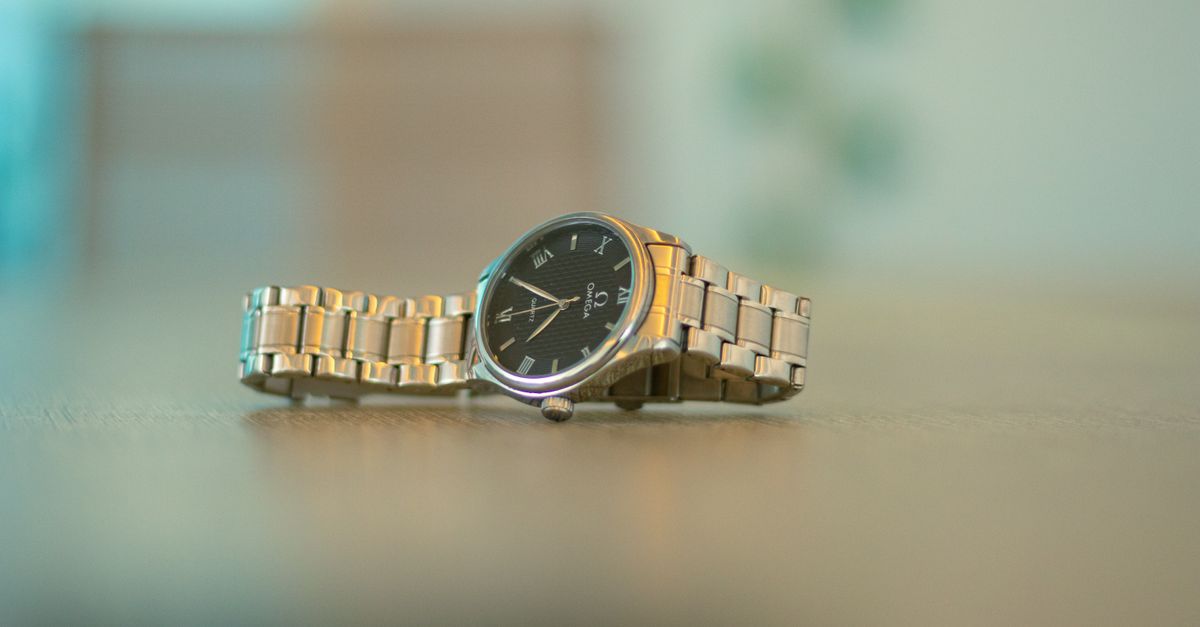
Photo by Bimal Chhetry on Pexels
Omega’s Mini Moonwatch Hits the Market
Omega released a revamped 38‑mm Speedmaster collection that it brands as a mini Moonwatch. The move targets collectors who want the iconic Moonwatch silhouette without the bulk of the traditional 42‑mm case.
The new pieces arrive as a perfectly proportioned set, according to the launch note from the brand. Omega calls the size “perfectly proportioned” and highlights the 38‑mm diameter as a sweet spot for wrist comfort. The collection preserves the classic chronograph layout, the black tachymeter bezel, and the manual‑wind calibre that has powered the original Moonwatch since the 1960s. No new movement is announced; the focus is on case size and aesthetic refinement.
Design Choices and Tradeoffs
Shrinking a watch that historically required a sizable movement presents engineering challenges. The 38‑mm case forces the calibre to sit tighter, limiting space for the column wheel and balance wheel. Omega likely had to thin the bridge plates and re‑engineer the rotor to keep winding efficiency.
A smaller dial reduces legibility of the chronograph sub‑dials. Omega mitigates this by enlarging the hour markers and using higher‑contrast hands. The trade‑off is a slightly lower power reserve, a point the brand has not quantified. Wearers gain comfort on smaller wrists, but power‑hungry users may notice the difference during extended tracking.
Market Context: Miniature Luxury Watches
The luxury watch market has seen a steady drift toward smaller cases over the past decade. Brands such as Tudor and Longines have introduced 36‑mm and 38‑mm models that echo their flagship designs. Collectors cite a desire for versatility—smaller watches pair better with dress shirts and modern casual wear.
Omega’s decision mirrors this trend but carries extra weight because the Speedmaster is a cultural icon. The original Moonwatch is celebrated for its role in the 1969 Apollo 11 mission. By offering a mini version, Omega bets that heritage can survive a size reduction without diluting its story. The move also hedges against a market that increasingly values wearability over sheer presence.
Gaming Audio Landscape: ASUS Enters with ROG Gjallar
ASUS announced the ROG Gjallar, its first gaming‑focused soundbar, for the United States market at a price of $600. The product arrives as a rectangular speaker array designed to sit beneath a monitor or desk.
The Gjallar advertises immersive positional audio, a feature that many gamers associate with high‑end headphones. ASUS positions the soundbar as a space‑saving alternative to multi‑speaker setups, promising a “full‑range” experience without the clutter of separate satellite speakers. No performance benchmarks are provided, but the price places the Gjallar in the premium tier of gaming audio hardware.
Pricing Pressures: Headset Discounts and Consumer Expectations
A recent WIRED piece notes that a popular multi‑device gaming headset is now cheaper than the price paid in March. The article does not name the headset, but the price drop signals a broader discount cycle in the gaming audio market.
Headset manufacturers often slash prices after initial launch windows to clear inventory before newer models appear. The discount aligns with the release of new soundbars like the Gjallar, which compete for the same discretionary spend. Consumers who bought the headset at full price may feel short‑changed, while newcomers benefit from lower entry barriers.
What to Watch
The mini Moonwatch will reveal whether heritage can survive a size cut without eroding demand. Track Omega’s sales reports and secondary‑market activity over the next quarter. In the gaming audio sector, monitor ASUS’s follow‑up announcements; a lower‑priced sibling or firmware update could reshape the $600 price point. Finally, keep an eye on headset pricing trends as manufacturers respond to the soundbar’s debut. The next price shift will indicate whether discount cycles are temporary or signal a longer‑term recalibration of gaming audio value.
Related Articles

Googlebook challenges Apple’s retail play as Mac Studio prices
Google’s $899 AI‑native laptop and Apple’s store‑first philosophy clash amid rising component costs and AI‑driven hardware bets.
Xiaomi MiMo 2.6, Grok 4.7, and a Wave of Mid‑Month Tech Setbacks
A roundup of Xiaomi's MiMo 2.6 launch, x.ai's Grok 4.7 update, NASA's Mars Sample Return cancellation, and other mid‑September tech headlines.
New hardware quirks ring note‑taker AI feeder retro upgrades
A ring‑sized note taker, AI‑driven cat feeder, free retro‑handheld upgrades, E Ink tablets, and Android UI tweaks illustrate niche hardware shifts.