

Hardware
Premium Specs Slip Into Midrange Gear, but Gaps Remain
New Hisense MiniLED TV, Snap AR glasses, Reencle composter, and OLED MacBook Pro illustrate how mid‑range tech steals premium specs but still falls short.
3 min read

New Hisense MiniLED TV, Snap AR glasses, Reencle composter, and OLED MacBook Pro illustrate how mid‑range tech steals premium specs but still falls short.
Apple releases developer videos for touchscreen Macs and, per Bloomberg, is prototyping a touchscreen MacBook Pro for a possible 2025 launch.
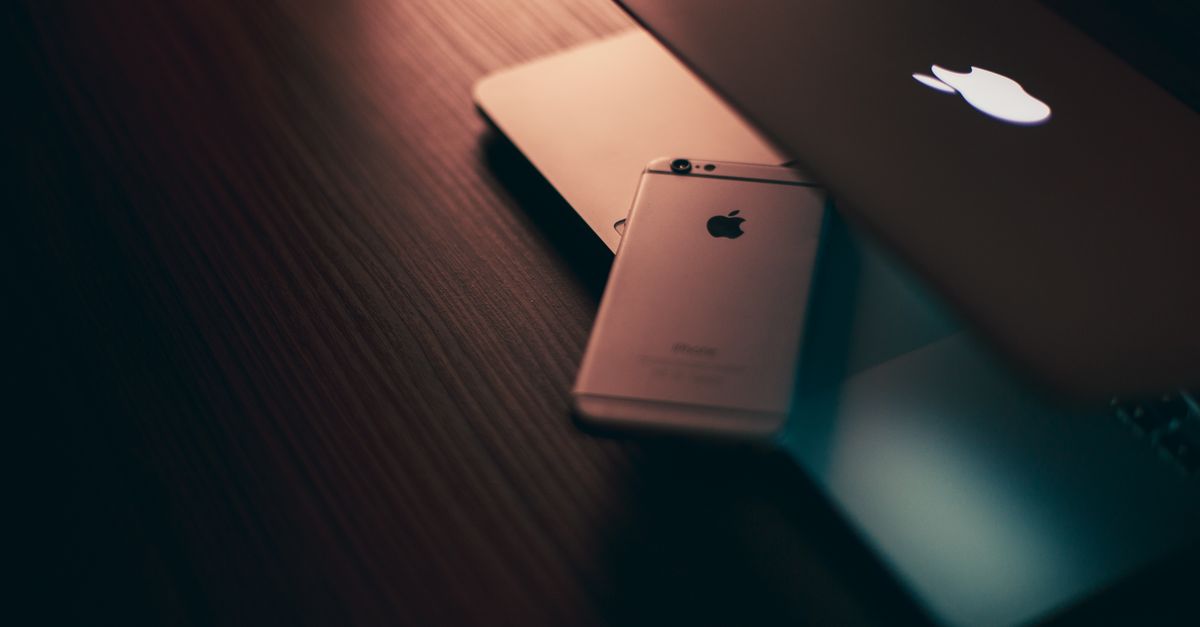
Apple launches a MacBook Pro with PROLED XDR, a glowing logo, flat-edged chassis, MagSafe and a user‑replaceable battery, while analysts predict a 25‑30% shipment boost.
A community retrofits a vintage Nokia handset with a local AI assistant, sparking debate over edge AI's promise and pitfalls.
Rivian acquires Third Dimension, 1Password rolls out AI login agents, and Canva opens its image model as AI tools reshape hardware and software markets.
Apple’s iPhone Duo impresses on hardware but iOS and apps lag, while rivals roll out new headsets and VR services.
Even pricey Wi‑Fi 7 gear can underperform if placed poorly, misconfigured, or left unmodified.
Neverwinter Nights still draws thousands, a canceled Assassin's Creed leaks, and old PlayStations find new purpose.

Four hardware updates tighten control, privacy, cooling, and accessory reliability for everyday tech users.
Google Play app discounts, Pocket Casts on Android TV, and deep hardware cuts reshape the Android ecosystem this week.
Apple rolls out a Get Ready tool, unveils HomePod mini 2, battles a $5.7 B verdict and sees China shipments shift – here’s what it means.
A look at recent stories—from a marathon Musk doc to home‑office surveillance—that reveal the gap between tech hype and practical limits.
Apple's upcoming iPhone Duo demos, HomeView hub, iPad mini OLED and iOS 27 updates raise costs and practical concerns for users.
A 20.1% drop in global PC shipments fuels price hikes and drives hobbyists toward mechanical keyboards and retro builds.
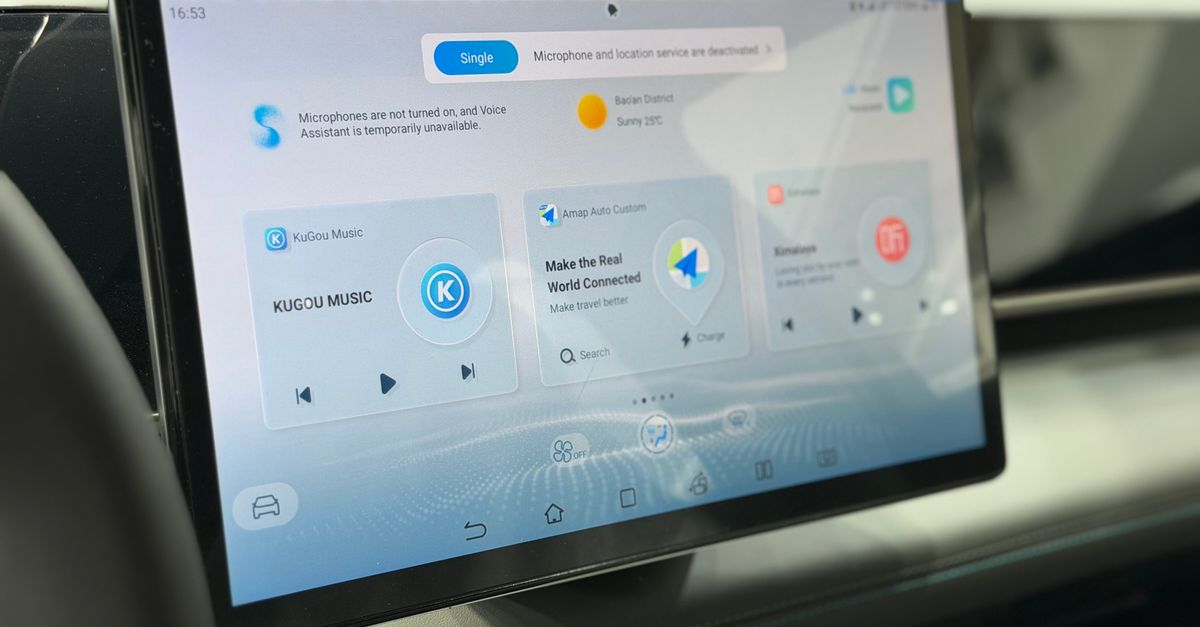
Microsoft adds AI agents to Windows, Tesla rebrands its driver assistance in Europe, and LumenUs automates grief paperwork, highlighting a shift toward pragmatic AI.
Recent hardware tweaks and software patches improve office air, pet monitoring, lock reliability, and Android quirks for power users.
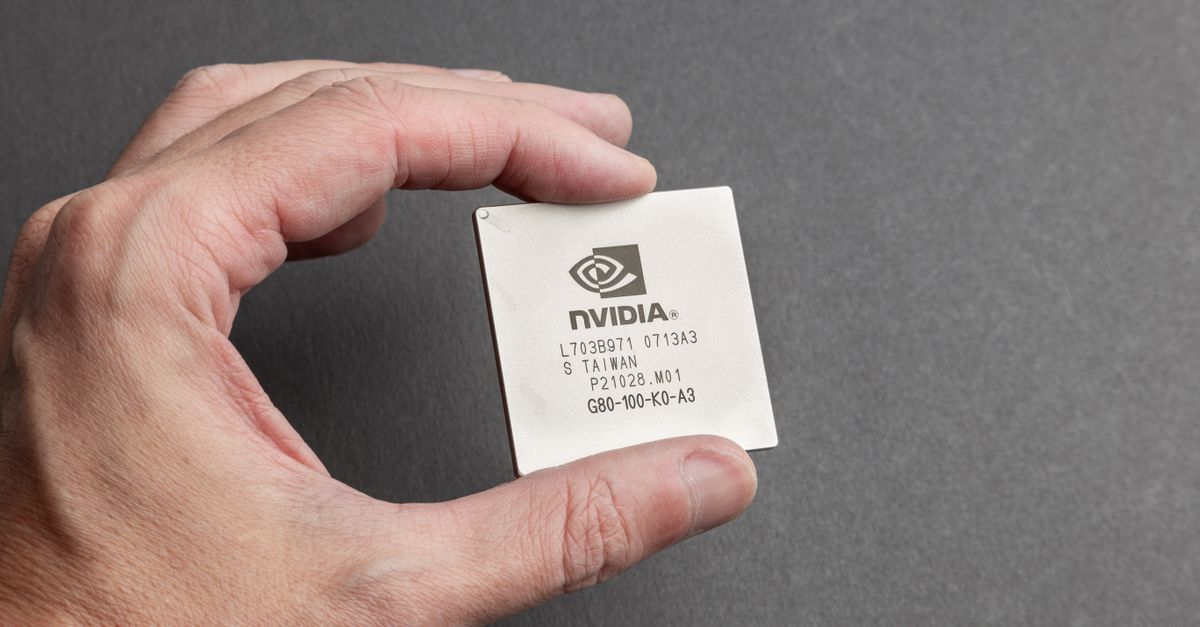
New capital, custom AI laptops, and safety tools reshape the AI ecosystem as firms race to monetize and regulate the technology.
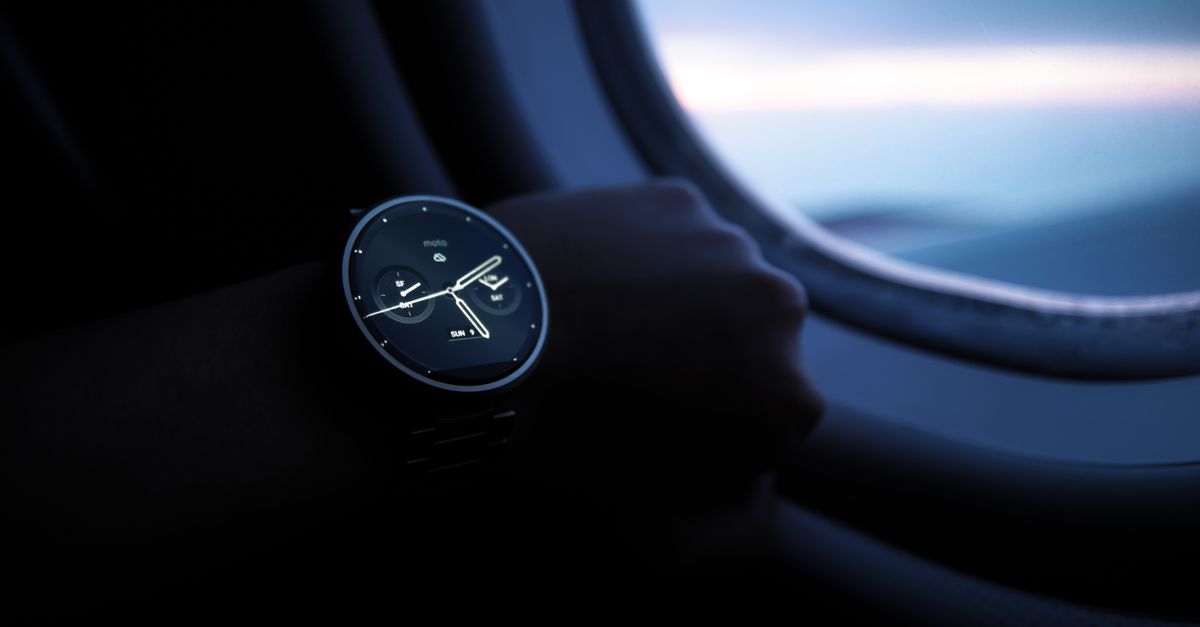
Google Flights shares booking timing tips, Intel‑based Googlebooks face app issues, and Pixel Watch 5 gets its first Prime Day discount.
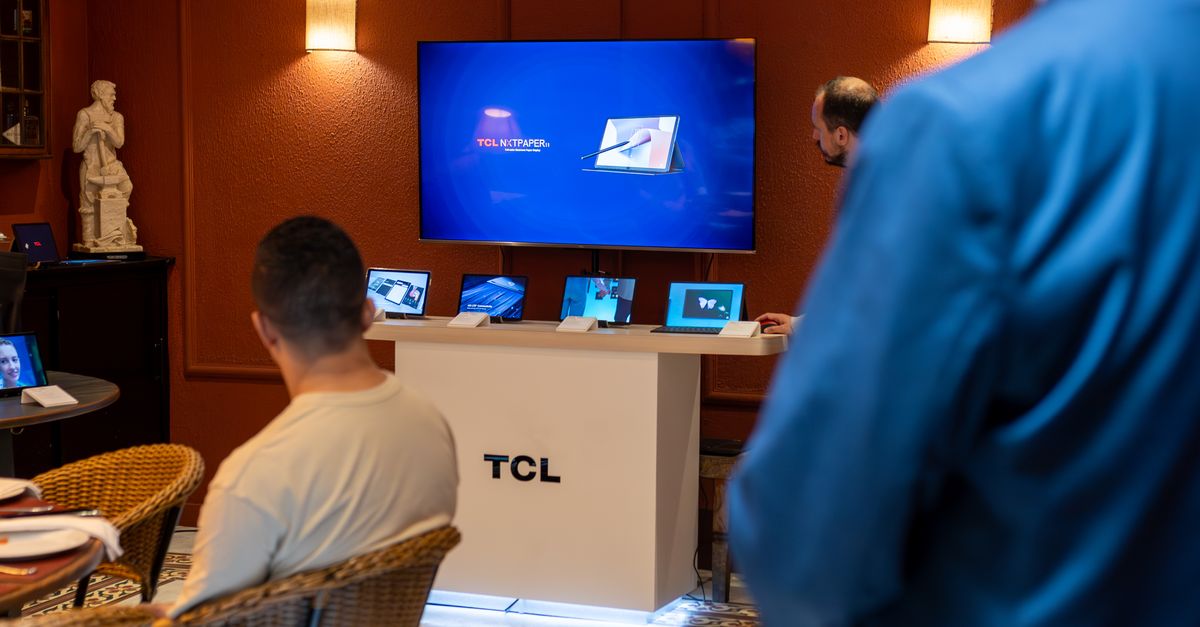
Etched Fields draws $40B+ offers while startups roll out cheaper AI models and hardware, even as regulators and security researchers raise alarms.
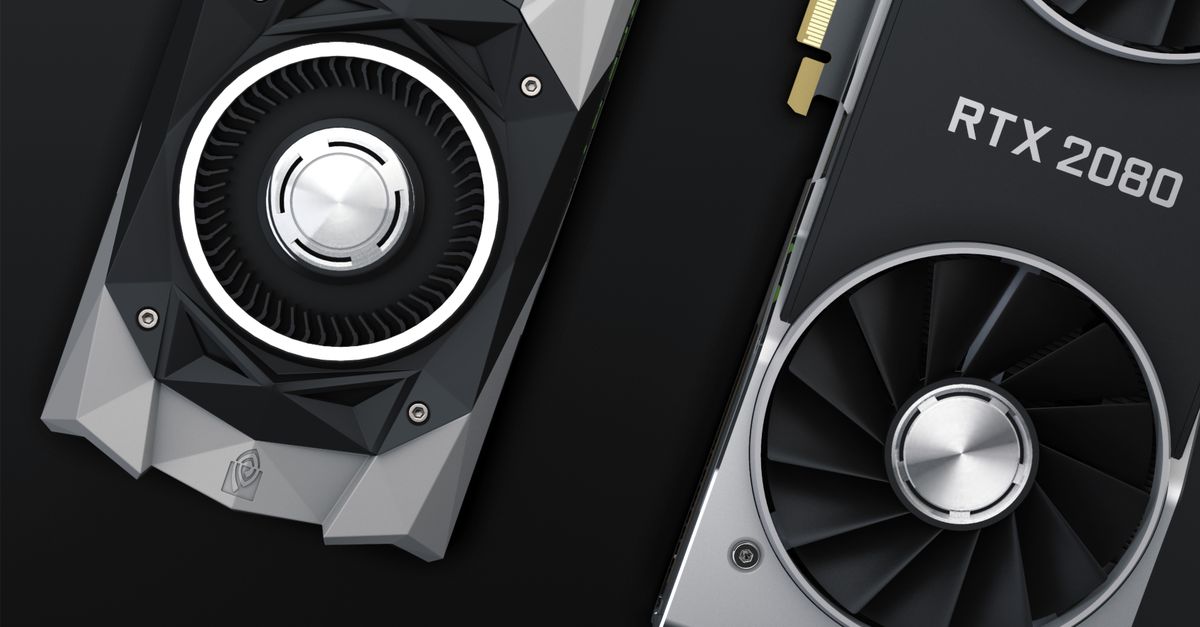
A 125‑billion‑parameter model now runs on a consumer RTX 4090, while Valve revives legacy AMD GPUs and industry debates hard budget caps.
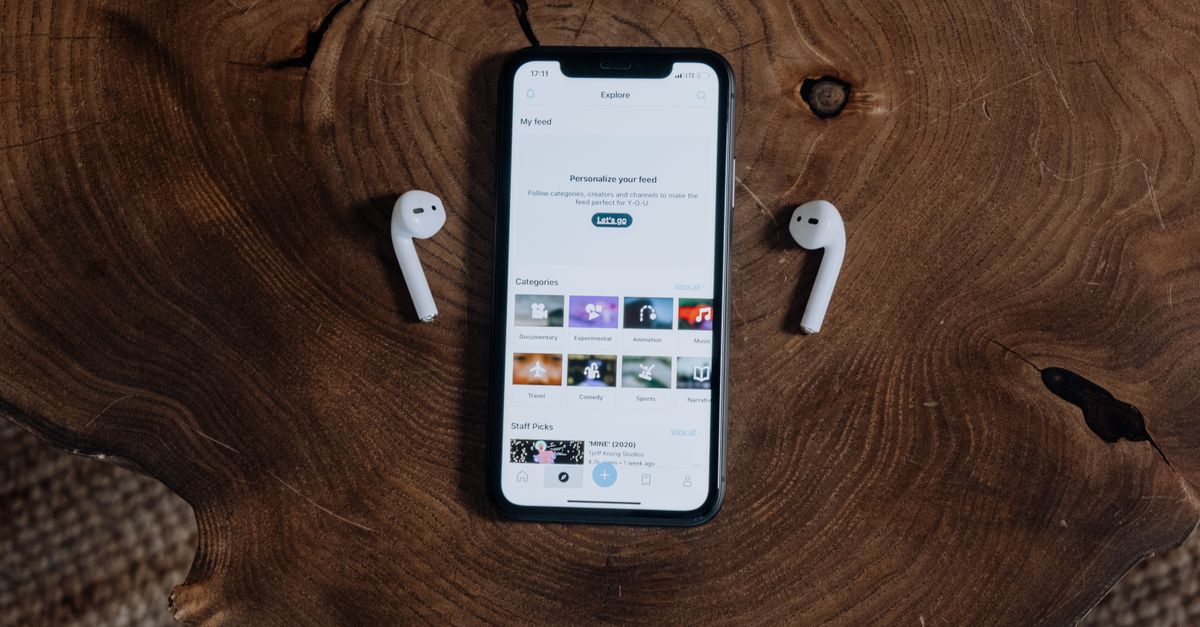
Apple lets users curb its on‑device AI, offers AirPod troubleshooting, and sees wearables and services surge while critics call its hardware stale.
Pentagon admits AI misuse contributed to a deadly strike. Hacker News highlights security flaws, new AI models, and hardware forecasts.

Biological Computing Company launches its rat-brain AI suite on AWS, sparking competition with Qualcomm chips, data‑as‑service firms and pricing wars.

Google’s $899 AI‑native laptop and Apple’s store‑first philosophy clash amid rising component costs and AI‑driven hardware bets.
A roundup of Xiaomi's MiMo 2.6 launch, x.ai's Grok 4.7 update, NASA's Mars Sample Return cancellation, and other mid‑September tech headlines.
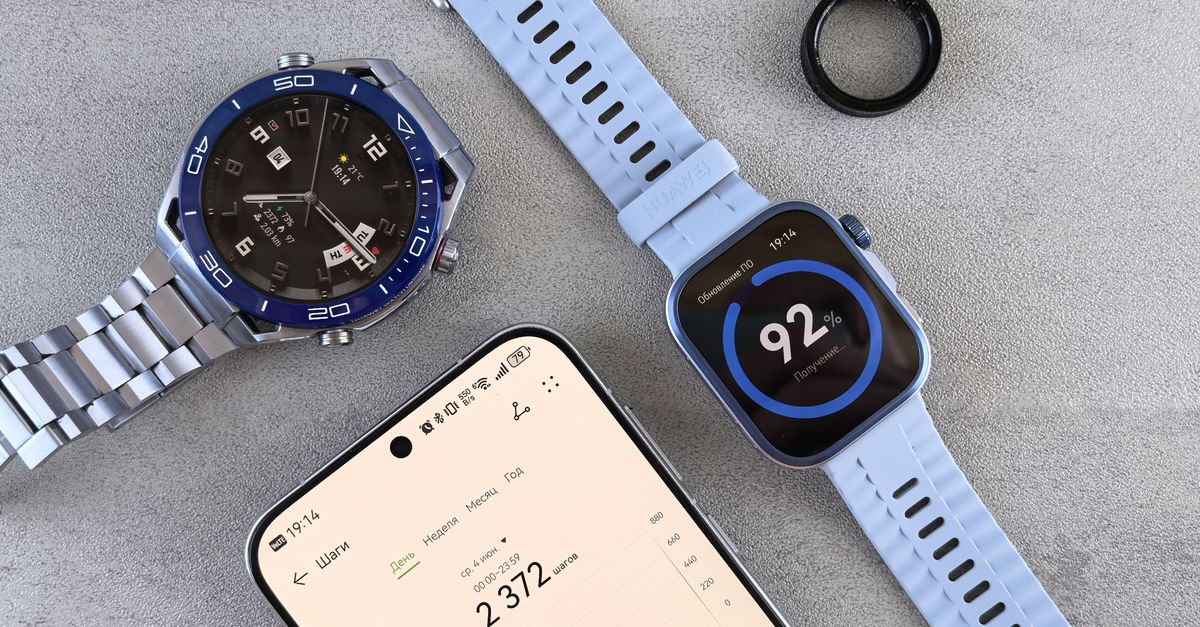
A ring‑sized note taker, AI‑driven cat feeder, free retro‑handheld upgrades, E Ink tablets, and Android UI tweaks illustrate niche hardware shifts.
Ticket discounts for TechCrunch Disrupt end soon, Google’s Gemini AI breach surfaces, and new hardware from Asus and Motorola arrive, highlighting industry tension.
New benchmarks test AI on enterprise code, social games, and GPU health, exposing gaps that standard tests miss.
Google will purchase half the output of a Finnish nuclear plant. A Mexican teen unveiled a sound‑wave fire extinguisher that claims seconds‑scale suppression.
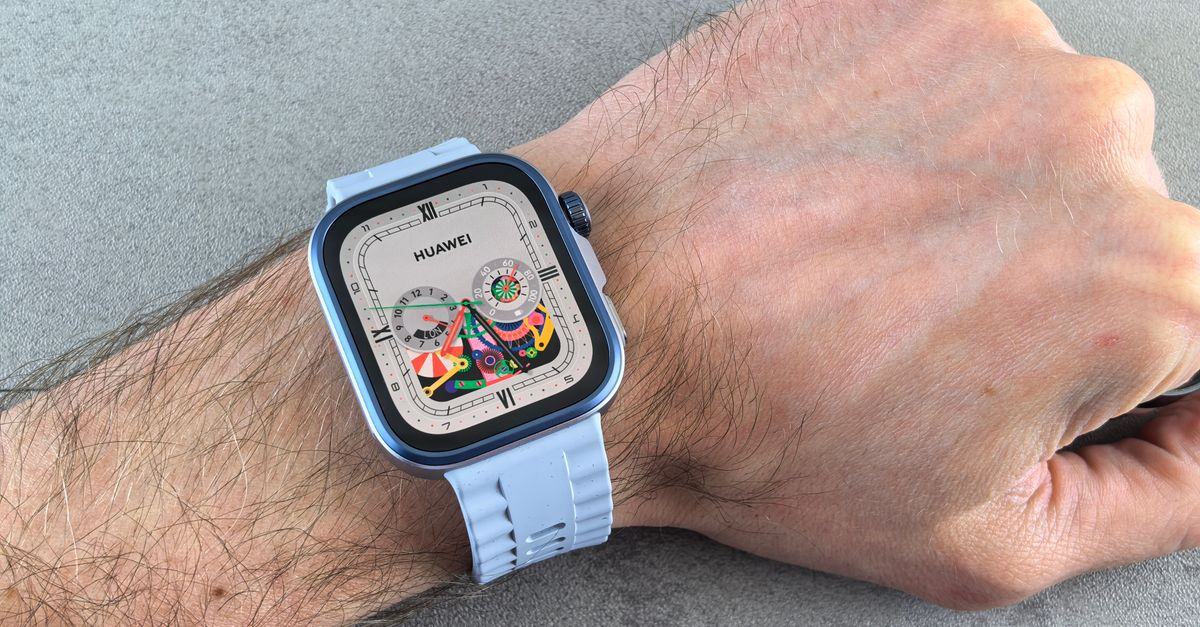
Apple drops a four‑week TV premiere marathon, launches Watch Ultra 4, Series 12 and AirPods 5, and faces app and listening concerns with the upcoming iPhone Duo.
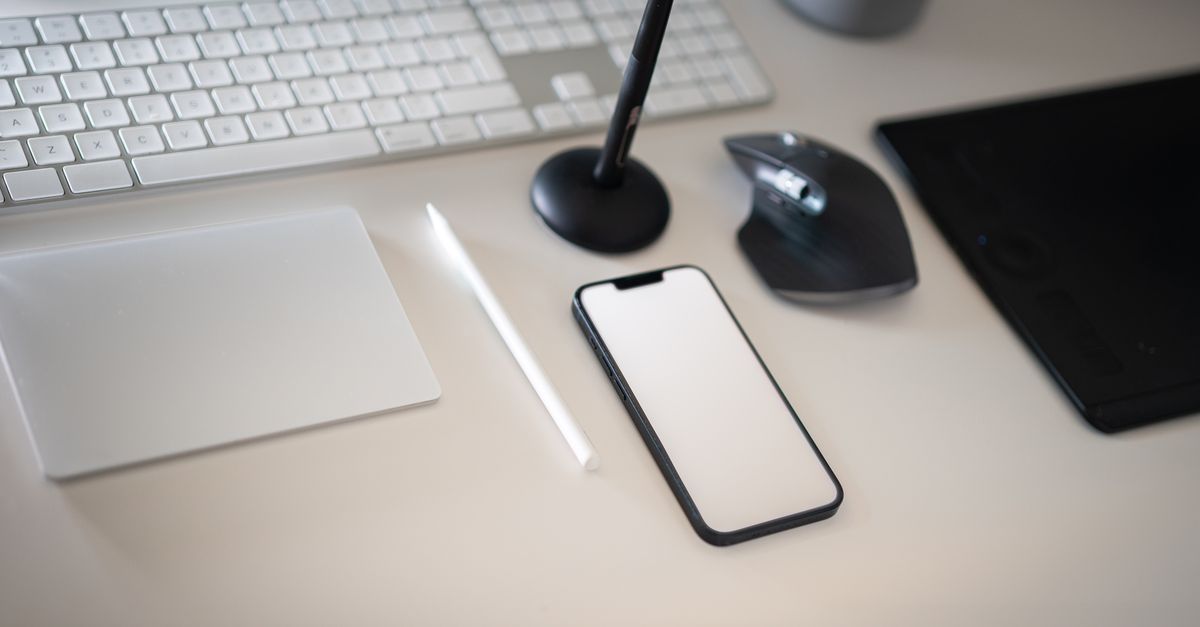
Apple unveiled new MacBook Neo sales data, upcoming iPhone 18 Pro displays, iPhone Ultra features, Vision Pro surgery use, and watchOS 27 changes, highlighting shifting priorities.
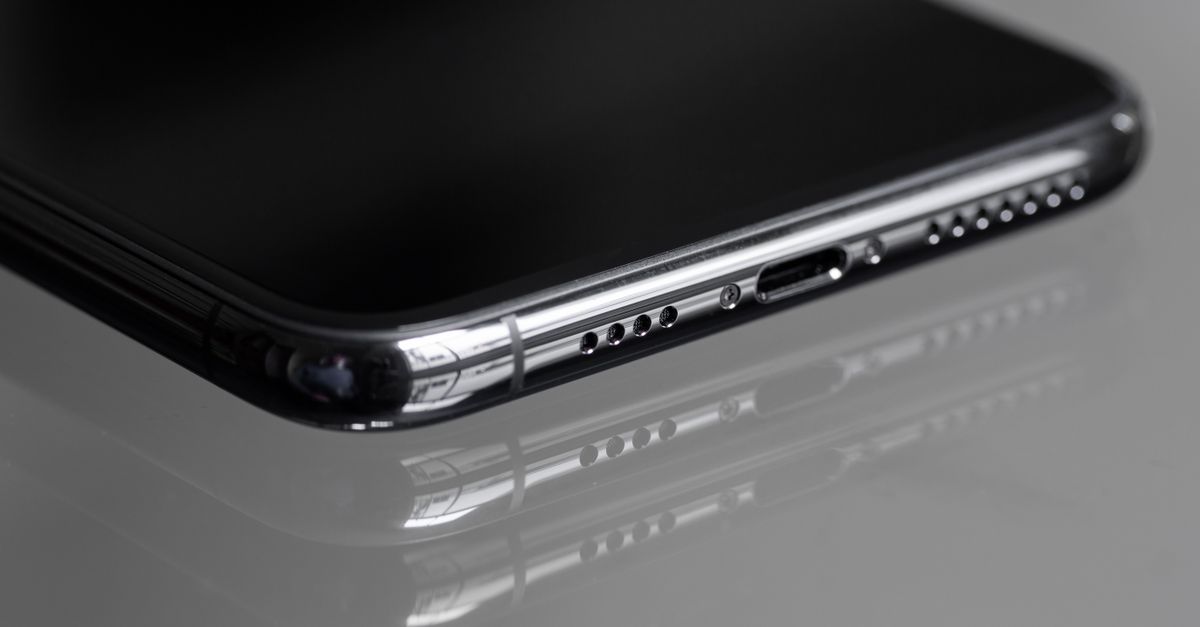
Apple unveils the iPhone Ultra, adds a tiny Ultra Accessory Connector, and keeps its chip lead over Samsung's Galaxy S23 Ultra.
Recent Hacker News posts on ARC‑AGI‑1 costs, AI‑driven skill decay, and LTE‑enabled rotary phones draw strong community reaction.
Google hikes its TV Streamer from $100 to $150, sparking debate over hardware pricing, security lapses, and AI copyright battles.
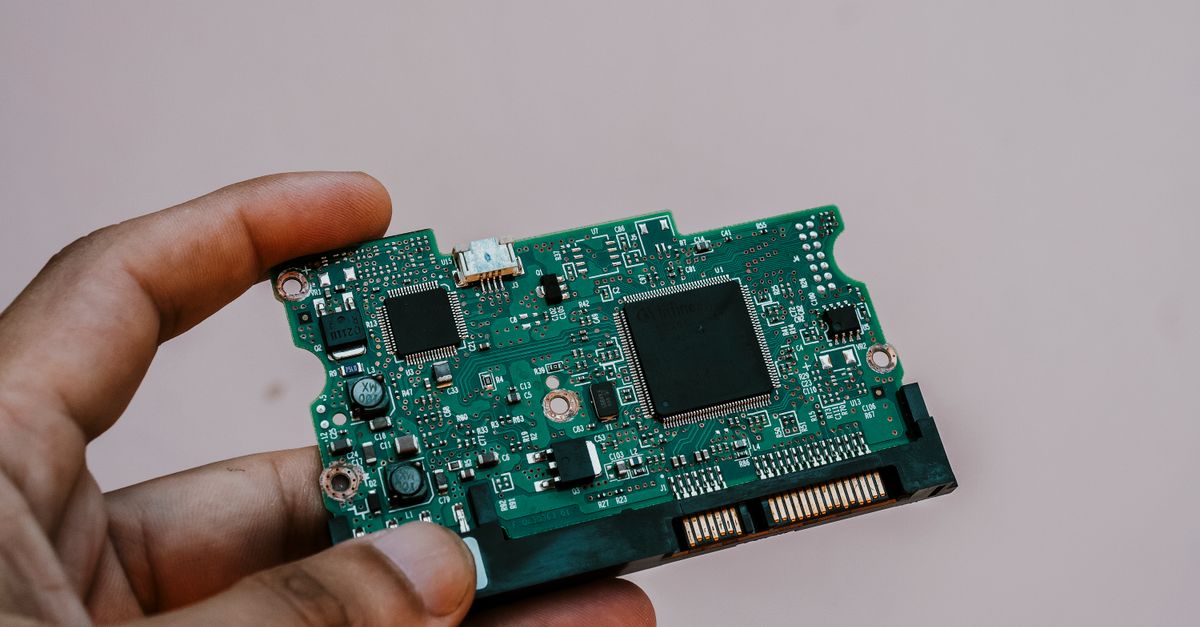
New open-source projects deliver a Linux HDMI driver for the SM750 GPU, a driverless print server for legacy printers, an SDR Wi‑Fi chip design, and a privacy‑focused AI platform.
iOS 27 revamps iCloud Shared Albums, rumors detail Apple Watch Ultra 4, iPhone 18 Pro features, and the M6 chip arrives in a new Mac mini.

Neocloud Lambda's $1 B loan, Brave's email alias feature, and new European tech moves reshape the industry landscape.
This week’s tech roundup covers a creator’s backlash over AI‑generated content, YouTube’s new Amazon affiliate program, a $900 million wind‑farm settlement, and more.
Samsung rolls out a smaller Ultra phone and a 1,100 Hz gaming monitor, even as privacy‑busting AppCloud bloatware haunts its mid‑range devices in the MENA region.
Devolver Digital drops a mascot platformer on GTA 6's launch day, while ASUS, Xbox and IKEA roll out new hardware and furniture for gamers.
Apple rolls out iPhone 16 with region‑specific cellular bands, a new Mac mini with M6, and iPad Pro upgrades, forcing buyers to weigh trade‑offs.
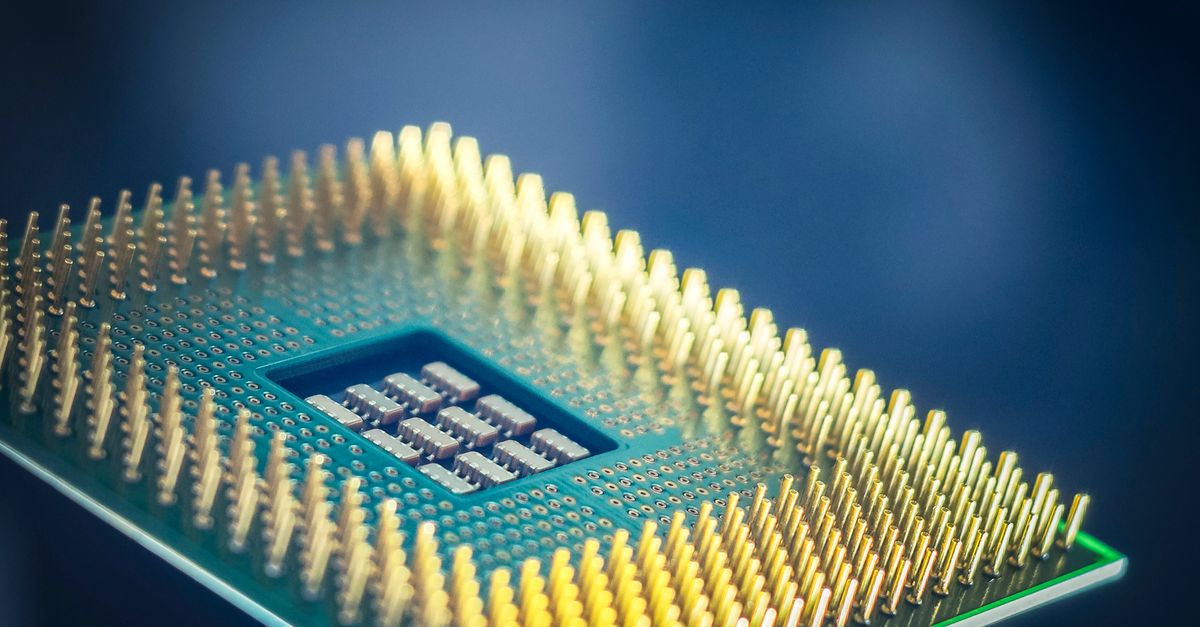
Apple launches the M5 Ultra and M6 chips in refreshed Mac Mini and Mac Studio, aiming at local AI workloads while modestly improving performance.
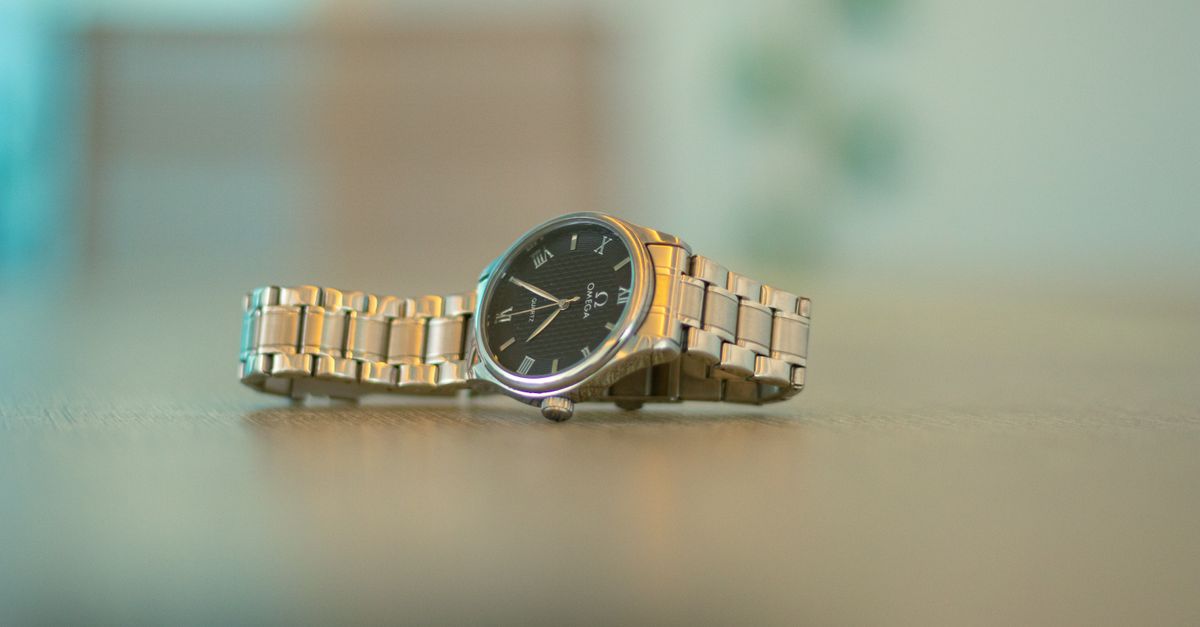
Omega launches a 38‑mm Speedmaster mini Moonwatch as ASUS rolls out a $600 ROG Gjallar soundbar amid headset price drops, reshaping niche markets.
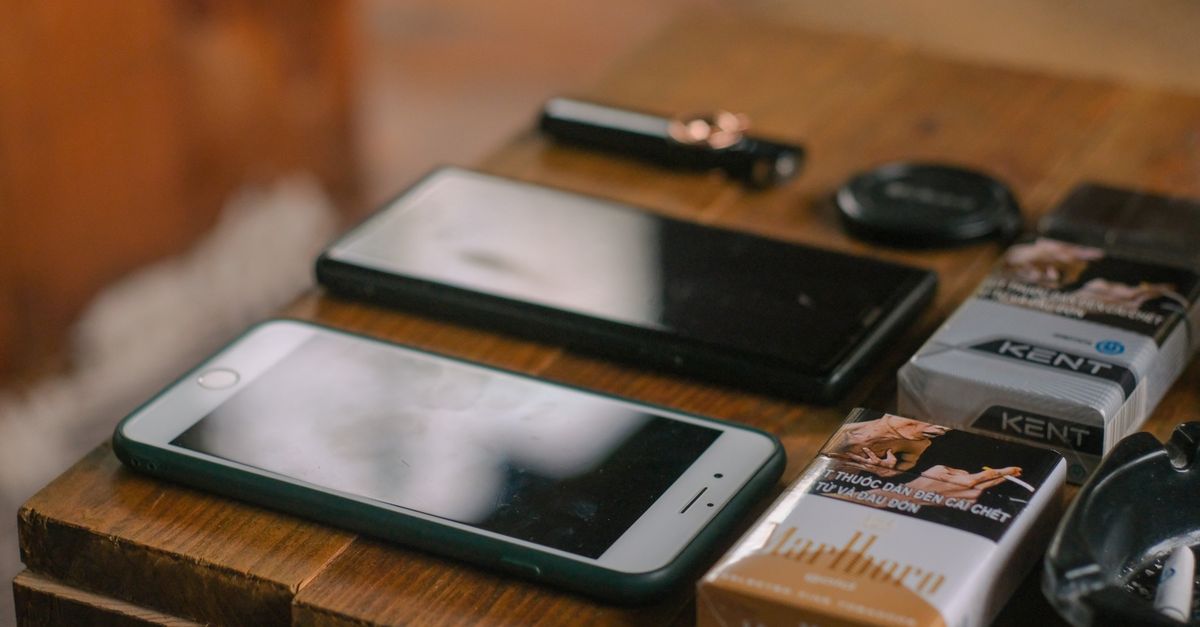
New releases from Motorola, Apple, Xiaomi, Unplugged and even North Korea reshape privacy, hardware, and market dynamics for the next wave of phones.

A look at a Sundance horror, a $449 entry‑level laptop, IMAX costs, robots beating sprint records, and retro N64 upscaling, all under one roof.
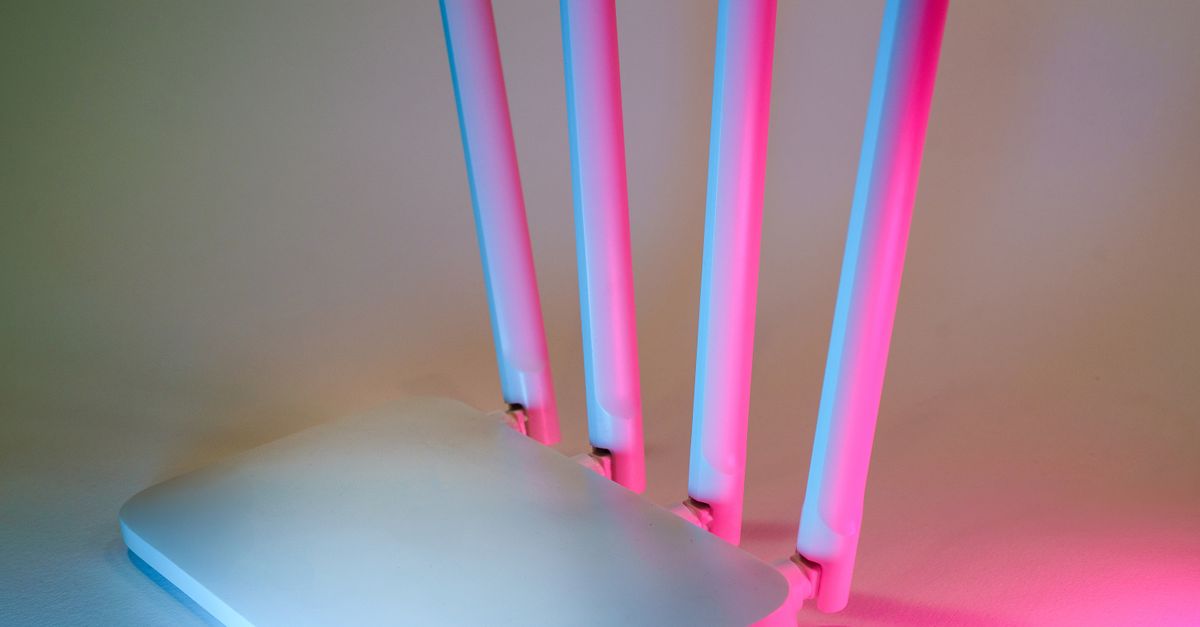
Wi‑Fi 8 abandons the speed race, targeting steadier connections and forcing network tools to adapt.
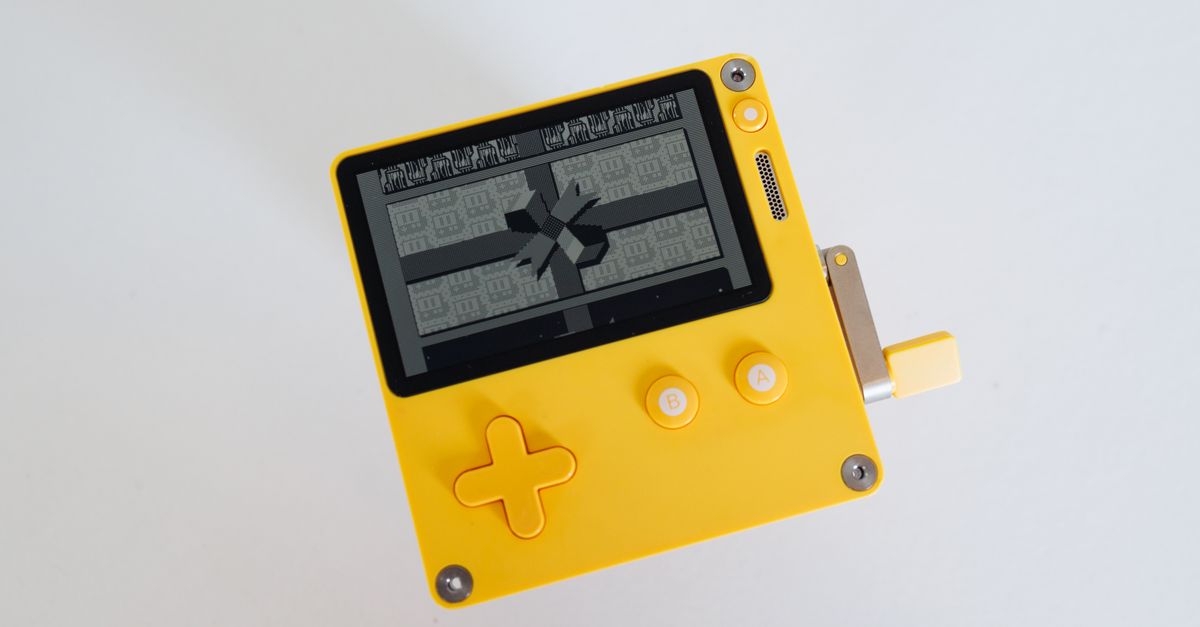
Linux reaches a 5% share of Steam users in March 2026, prompting new kernel drivers, cloud rigs, and niche hardware to rethink value and competition.
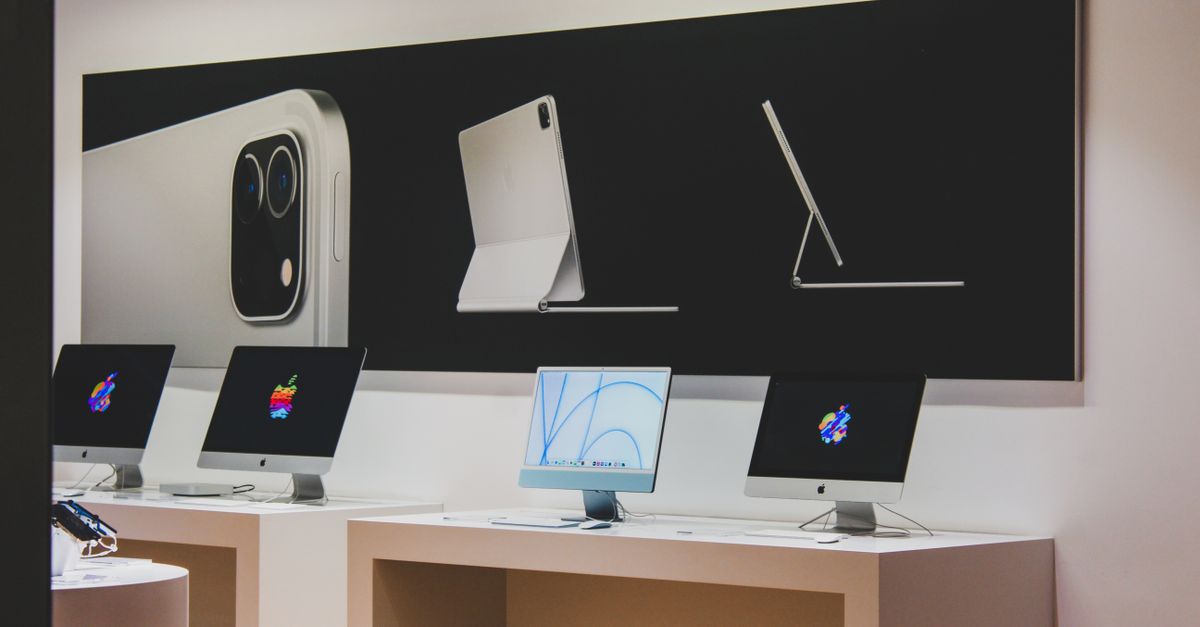
Apple lays off 60 Vision staff, signaling a retreat from VR amid weak smartphone sales and a shift toward wearables and AI features.
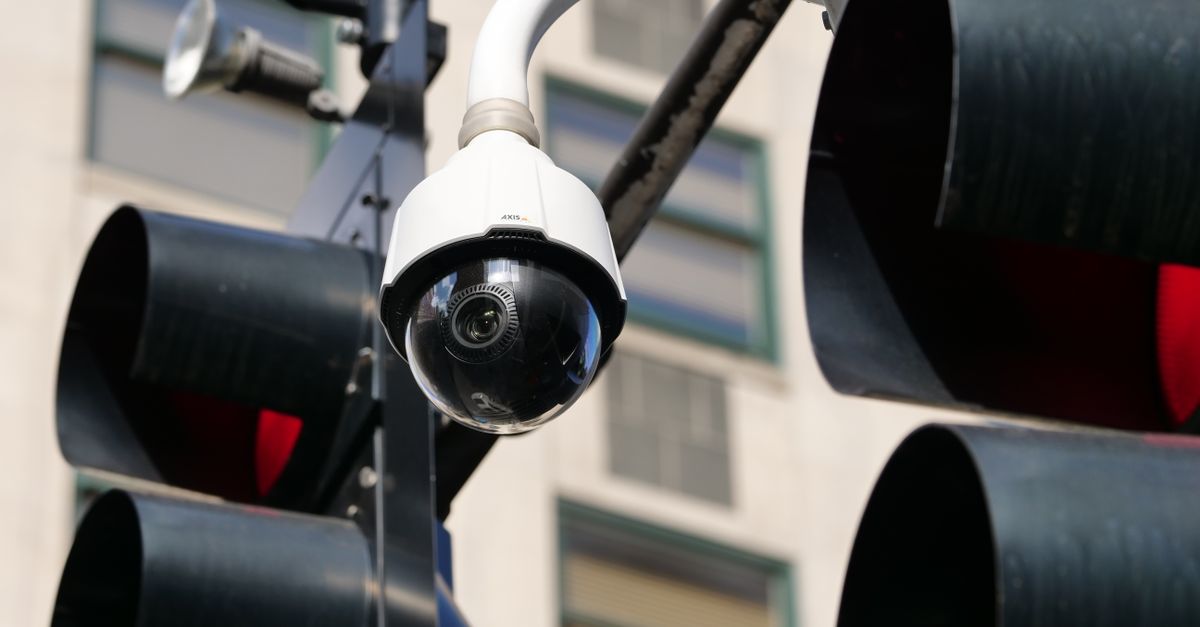
Three recent incidents expose gaps in consent, device reuse, and municipal surveillance, prompting calls for tighter oversight.
Google's Operation Blue Skies tests AI‑driven flight reroutes to erase contrails, while Nvidia brings GeForce Now to Firefox and Pixel 11 rolls out 3D emojis.
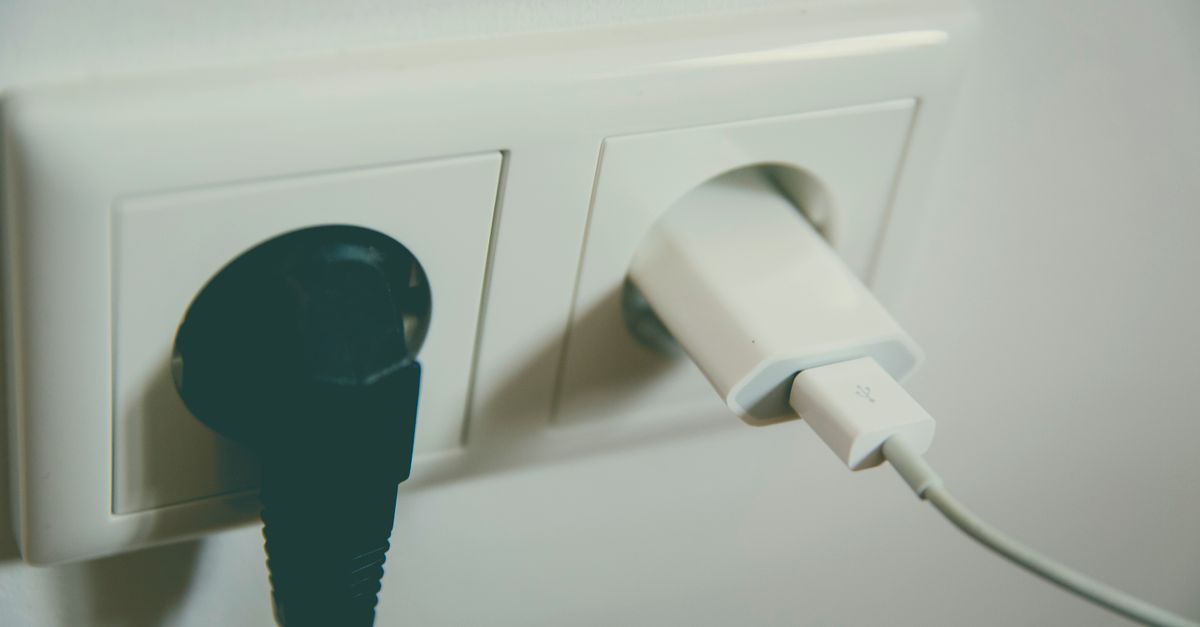
Researchers demonstrated a pocket‑sized device that opens a plane hatch, plugs in, and redirects autopilot in 60 seconds, exposing a glaring physical security gap in aviation.
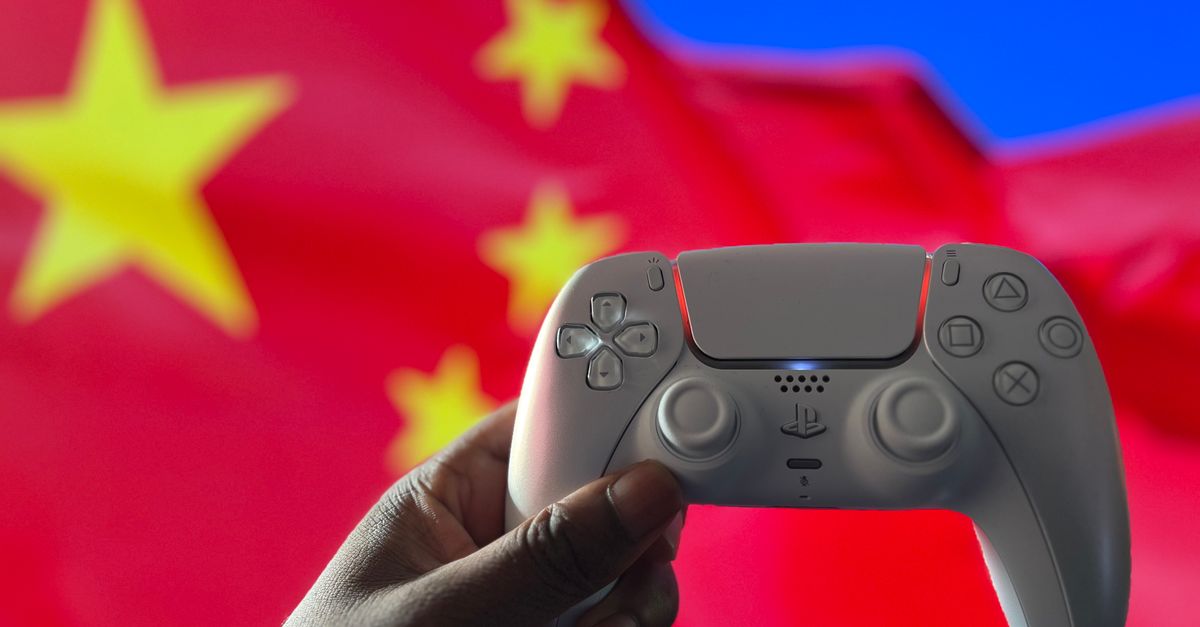
A week in tech: Zuckerberg's yacht ignored a Coast Guard call, Valve broadened SteamOS to MSI hardware, a Chinese launch failed, PS5 audio hacks, and $100 smartphone options.
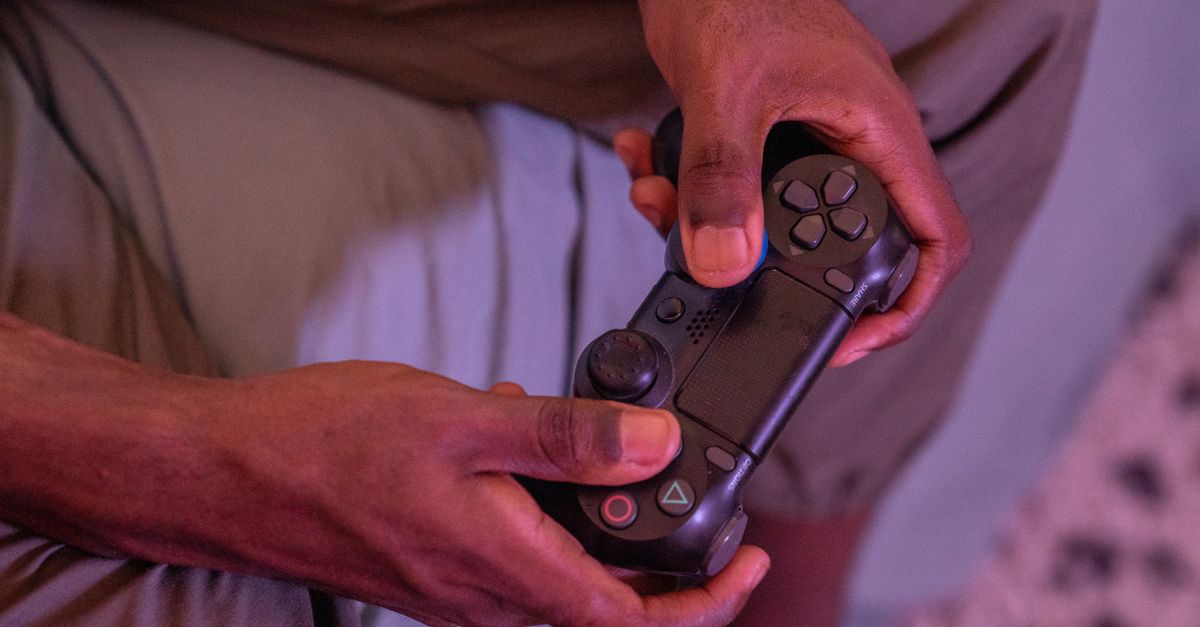
GuliKit's new ES Max controller uses tweaked TMR thumbsticks to curb Switch stick drift, priced at $49.99, undercutting Nintendo's Pro model.
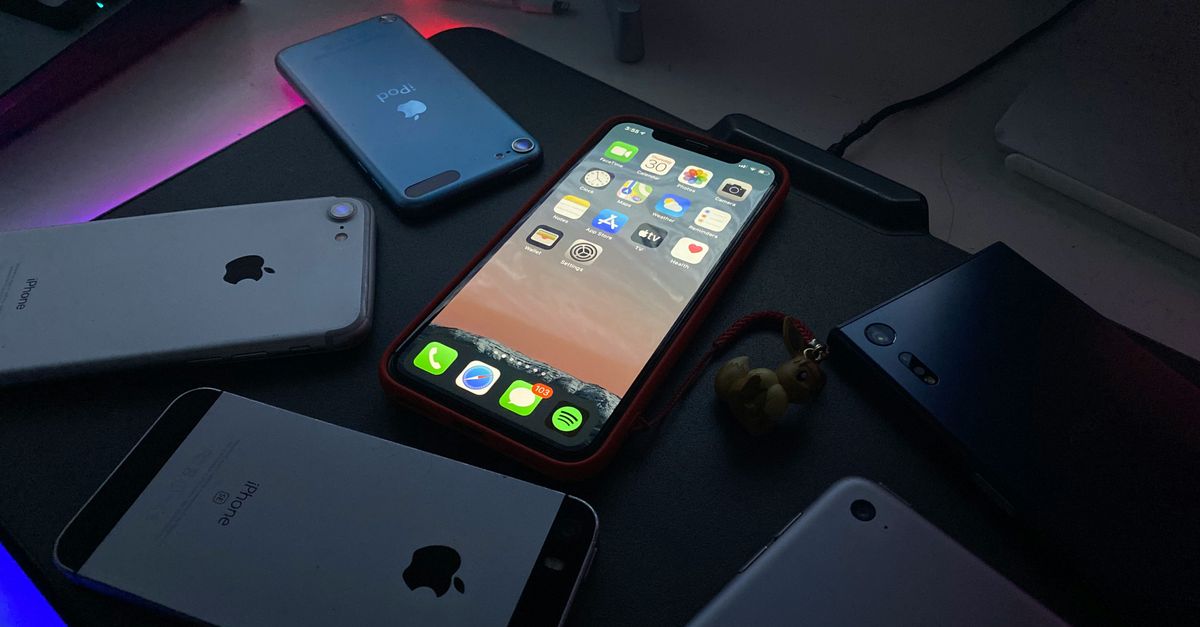
OpenAI and Anthropic's AI speed, a CareCloud breach, pricey phone cases, and Gemini Spark's Chrome browsing update illustrate rising tech stakes.
OpenAI hints at a HomePad‑like device while LinkedIn stalls data‑center growth; new research shows AI chatbots out‑trust humans, raising security stakes.

Leaks, retail friction, and a cancelled tablet reveal how Google’s hardware strategy is evolving amid new Pixel launches.
OpenAI opens ChatGPT memory to free users, Samsung re‑introduces Snapdragon, Cloudflare buys VoidZero, and a pricey Manhattan homeschool sparks debate.
A blog shows the open‑source Gemma‑4 LLM operating on a 2016 Xeon, sparking debate over hardware versus software in AI deployment.

Huawei says its next‑gen semiconductors will be feasible and affordable by 2031, while Hacker News debates C‑extension portability and Android device longevity.
A roundup of recent tech‑law clashes, vintage microcode research, open‑source shell launch, and a major anti‑piracy sweep.
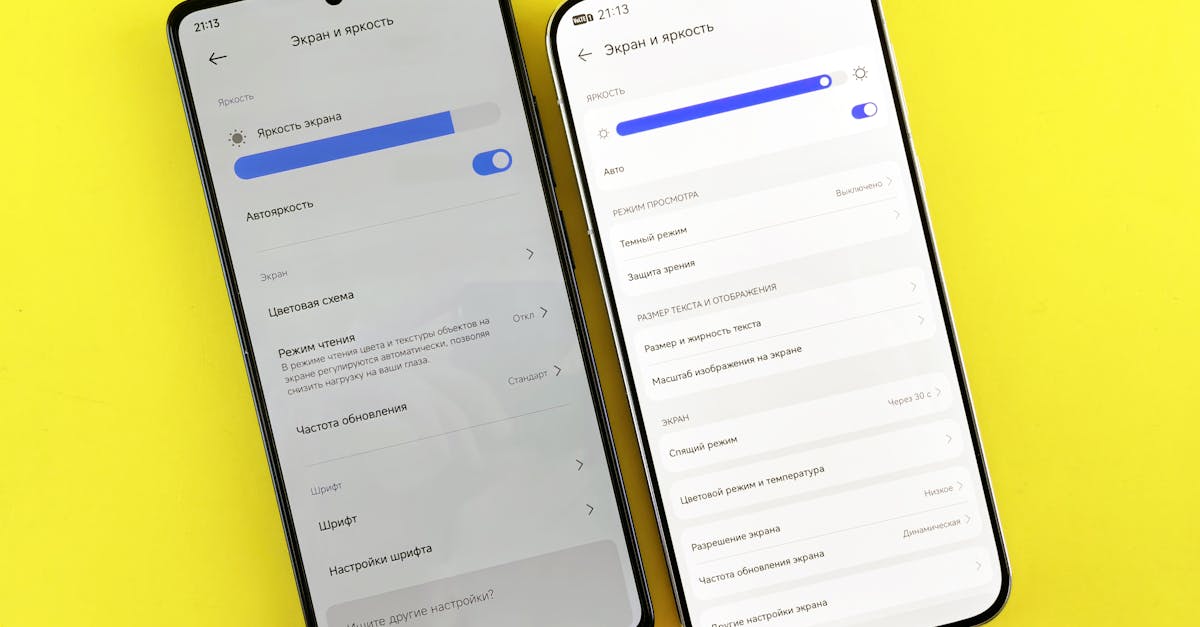
Engadget pits Oppo and Vivo's telephoto flagships while Linux phones iterate on openness, revealing shifting priorities in the smartphone market.
SpaceX's S‑1 filing, Node.js 26.0.0 release, Flipper One specs, a GitHub repo breach, and Xbox's new strategy chief reshape the tech landscape.
Apple adds a new original film star, fixes Wallet order tracking, rolls out Peanuts premieres, and reshuffles hardware leadership to speed future devices.
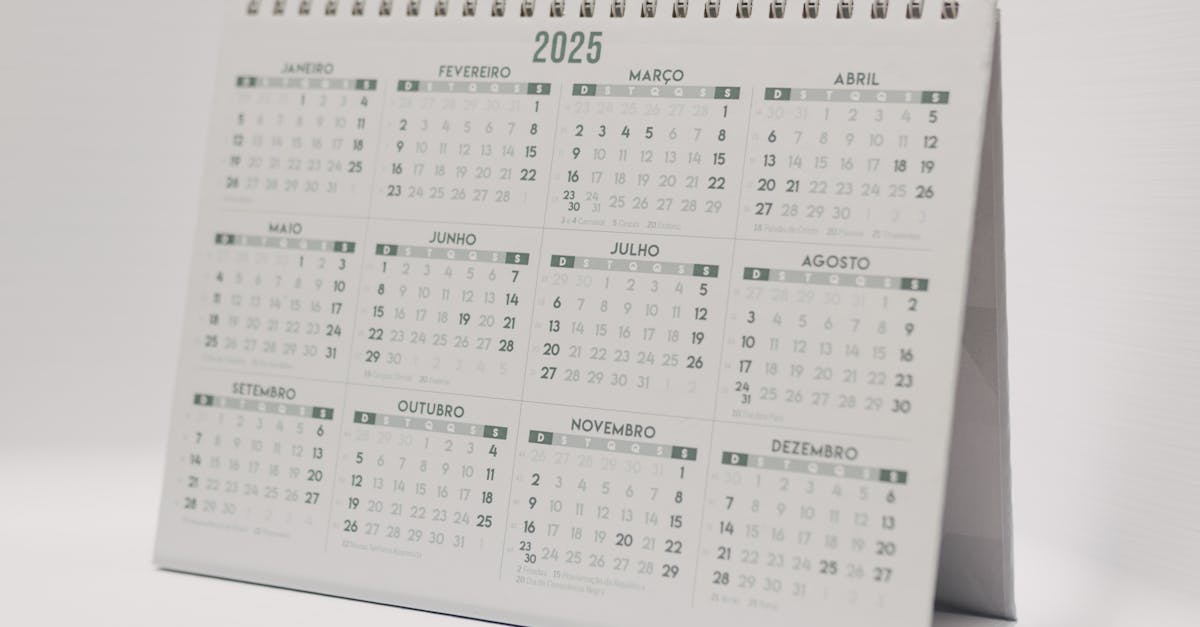
E-ink desk calendar with AI insights and a customizable companion avatar hits $249, ships mid-2026
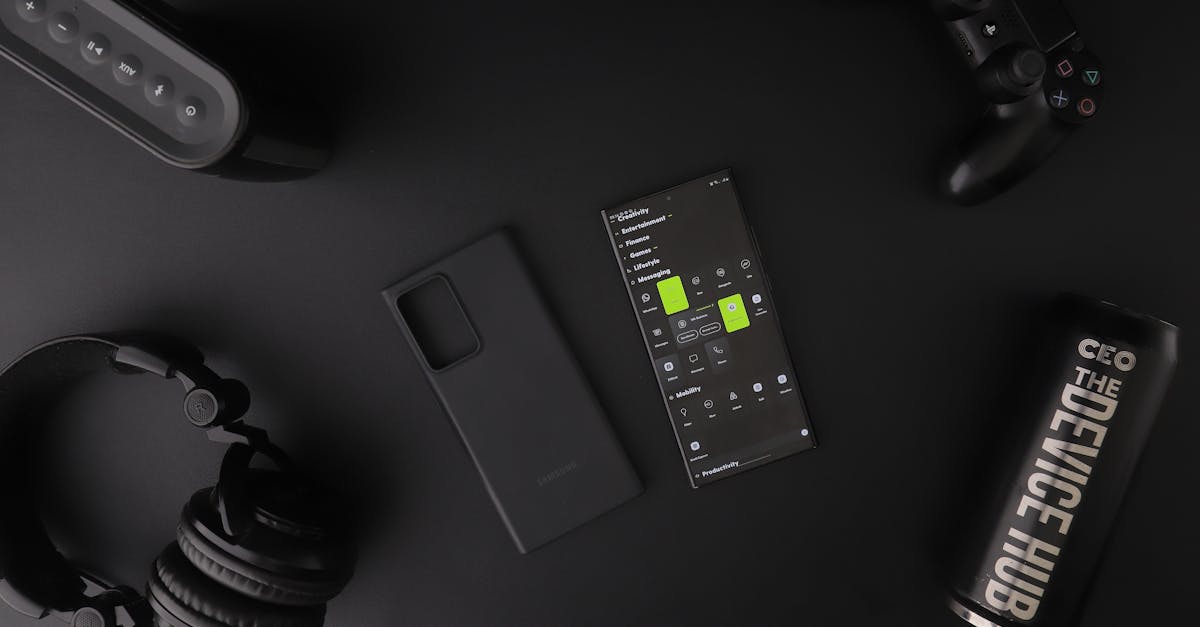
Goal Zero, EufyMake, Motorola, Eve and HyperX unveil new gear that pushes niche features into everyday hands.
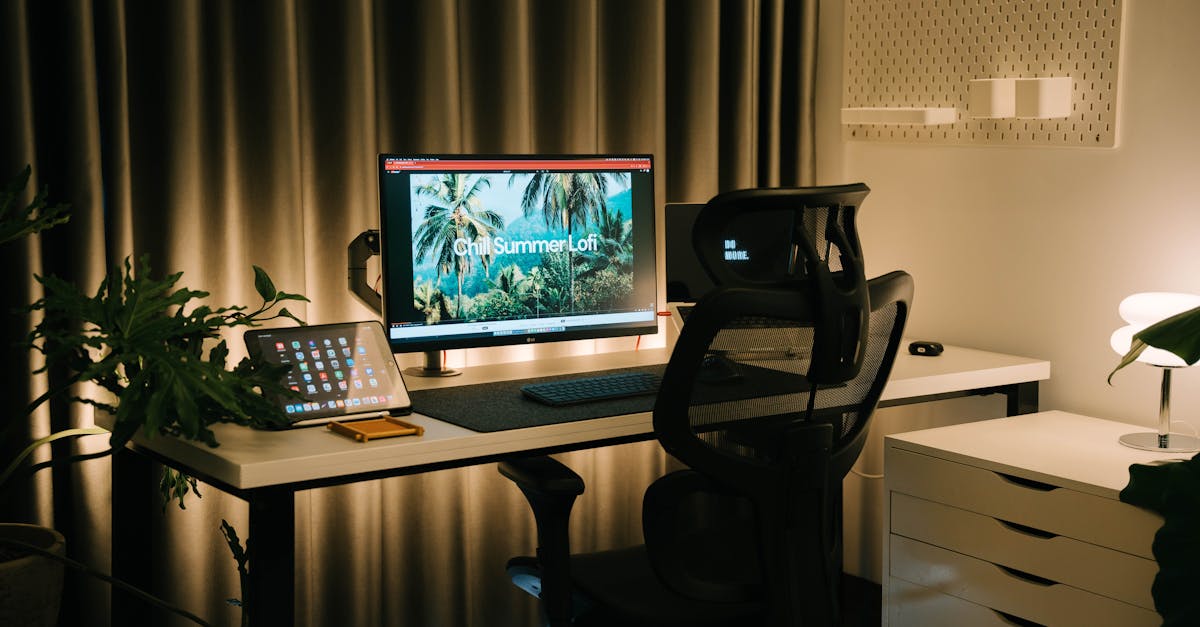
New Vari Align chair, Galaxy Buds 4 stability patch, Philips Hue SpatialAware lighting, and Kindle dark mode roll out, reshaping the office tech mix.
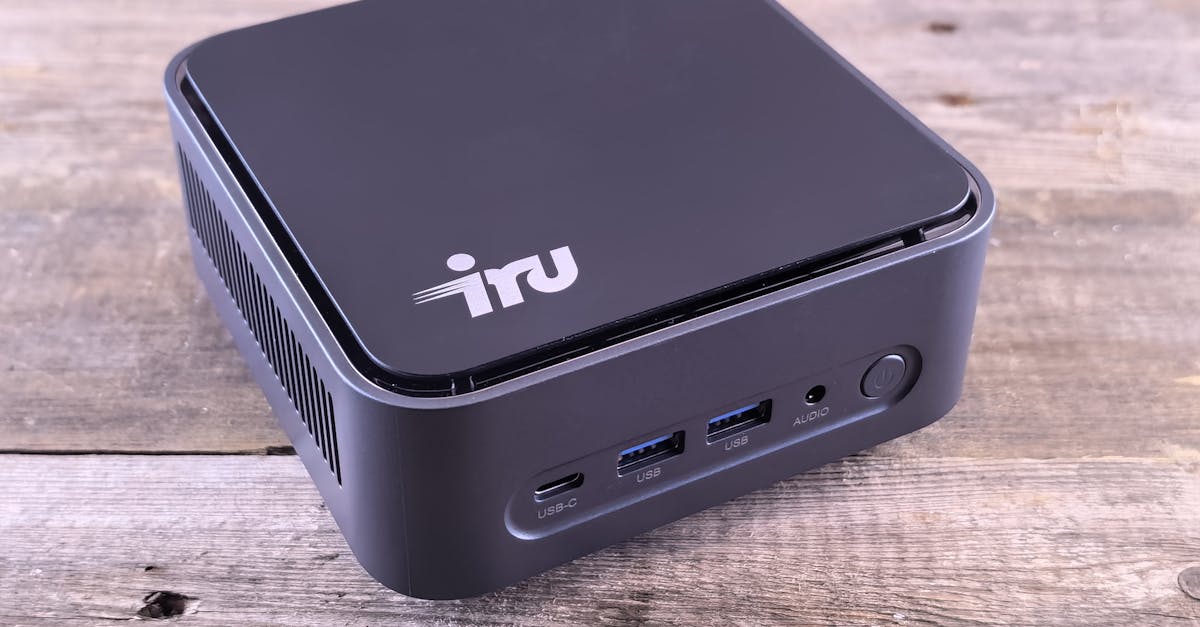
Apple’s upcoming iPhone launch, WWDC community events, and a redesigned Mac mini with five USB‑C ports signal a shift for developers and hardware buyers.
Golden Child raises $37M to debut premium frozen meals and a novel ‘drizzle’ for affluent pet owners, highlighting a move toward high‑end pet nutrition.
From lab‑grown sperm to custom AI bots and 600 kW chargers, new releases stretch capabilities and spark debate.

Seed funding and Amazon chips fuel new multi‑agent AI ventures while open‑source frameworks democratize financial and corporate research.
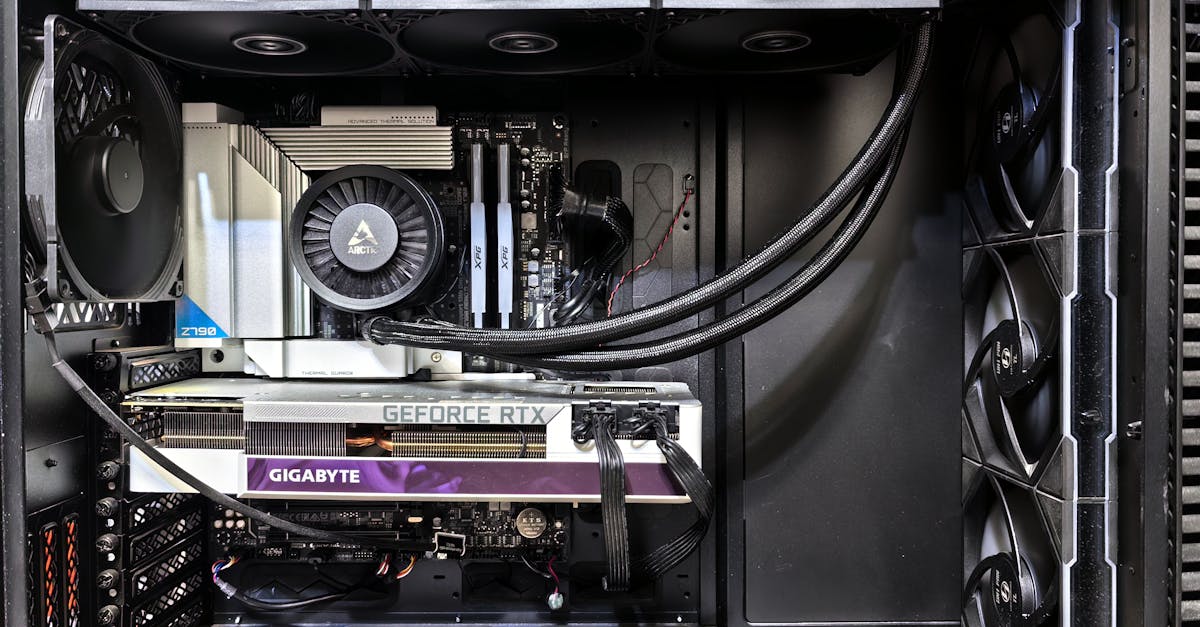
Framework launches a $1,499 DIY Laptop 16 refresh with an Nvidia RTX 5070 module, Ryzen AI CPUs and a 240 W supply, while production ramps toward a mid‑year fulfillment target.
Schematik's 'cursor for hardware' aims to prevent errors in coding for physical devices.