

New hardware quirks ring note‑taker AI feeder retro upgrades

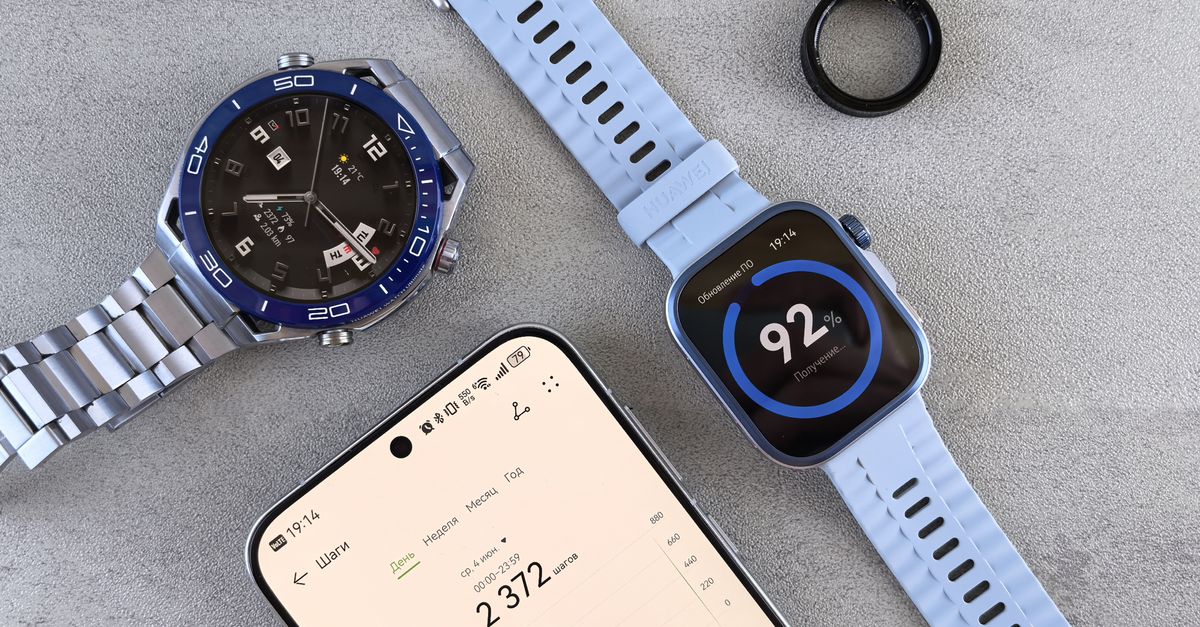
Photo by Andrey Matveev on Pexels
Ring‑sized note‑taking enters the market
Vocci shipped a lightweight ring that doubles as a meeting‑note capture device, priced at $249. The form factor replaces a pen or phone‑based recorder with a discreet band that slides onto a finger.
The device streams audio to a companion app and stores transcriptions locally, but the spec sheet notes a microphone array that can pick up conversations from across a table. Privacy advocates have flagged that constant listening raises consent questions, especially in corporate boardrooms where recording policies vary by jurisdiction. Vocci’s documentation does not detail an on‑device mute switch, leaving users to rely on software toggles.
Early adopters report that the ring’s battery lasts roughly eight hours of continuous capture, after which a magnetic dock recharges it in 90 minutes. The design trades battery capacity for comfort; the ring weighs under 20 grams, which is lighter than most smart‑watch bands. For teams that already use cloud‑based transcription services, the ring adds a hardware layer without changing the downstream workflow.
AI‑driven feeding for multi‑cat households
Petlibro introduced the Granary 2 series of smart feeders, each equipped with a built‑in scale that records every bite. The premium tier adds an AI‑enabled camera that classifies individual cats and timestamps each feeding event.
The scale reports weight to the nearest gram, allowing owners to monitor daily intake against veterinary recommendations. The AI model distinguishes up to three cats per unit, assigning portions based on preset profiles. However, the advanced health‑monitoring dashboard is gated behind a subscription that costs extra per month.
Pet owners with more than one cat have praised the ability to spot a skittish feeder that skips meals, a scenario that traditional dispensers miss. Critics note that the camera streams video to Petlibro’s cloud, meaning owners must trust the company’s data‑handling practices. The base model, without the camera, still logs weight but lacks the per‑cat attribution that the subscription unlocks.
Handheld retro gaming gets a free‑upgrade path
Retroid Pocket announced a free‑exchange program for owners of the Duo Lite handheld who wish to move to the newly released Duo Lite Plus. The offer applies to any Duo Lite purchased since launch, allowing users to send in their unit and receive the upgraded board without additional cost.
The Duo Lite Plus upgrades the CPU clock speed by 15 percent and adds 1 GB of LPDDR4 RAM, according to the manufacturer’s technical brief. Battery capacity remains at 3,500 mAh, preserving the original’s 6‑hour gameplay window. The exchange program also includes a firmware update that unlocks higher‑resolution shader support for classic titles.
Retroid’s move undercuts third‑party sellers who have been reselling the original Duo Lite at a premium. By offering a direct swap, the company hopes to retain its niche community and stave off speculation that the Lite line is being phased out. The policy is limited to a one‑time exchange per customer and requires proof of purchase.
E Ink tablets carve a niche against iPads
Recent analyses highlight how E Ink tablets outperform conventional LCD tablets for reading and note‑taking tasks. The reflective display consumes less power, extending battery life to two weeks on a single charge under typical note‑taking workloads.
Unlike iPads, which rely on backlighting, E Ink panels render text without glare, reducing eye strain during long study sessions. The lack of a color gamut is a trade‑off that many technical writers accept, as the primary workflow involves monochrome code snippets and markdown drafts. Some manufacturers have added a stylus with 4,096 pressure levels, narrowing the functional gap with mainstream tablets.
The market share remains modest, but the segment has grown steadily as remote‑work tools emphasize distraction‑free environments. Developers have begun porting lightweight note‑taking apps to the platform, leveraging the tablet’s low‑latency touch response and near‑instant on/off capability.
Phone‑based remote control and Android UI tweaks
Smartphones equipped with infrared (IR) blasters can now act as universal remotes for most smart TVs, sending raw codes that mimic legacy remote commands. For phones lacking IR hardware, apps exploit Bluetooth Low Energy (BLE) and Wi‑Fi Direct to control TV functions through vendor‑specific APIs.
The approach works best with TVs that expose a network‑based control endpoint, allowing a phone to change channels, adjust volume, and launch apps without a line‑of‑sight requirement. Users report occasional latency spikes when the phone toggles between Wi‑Fi and cellular networks, but firmware updates from major TV manufacturers have reduced these hiccups.
Meanwhile, Android 17’s QPR1 stable release altered several Pixel status‑bar icons without fanfare. The battery‑percentage icon now displays a numeric overlay, while the Wi‑Fi indicator switched from a traditional bar to a dot‑based glyph. These visual tweaks, though subtle, affect power‑management widgets that third‑party launchers reference for automation scripts.
What to watch
Track whether Vocci releases a firmware update that adds a hardware mute switch, as privacy regulators in the EU are probing wearable audio recorders. Monitor Petlibro’s subscription pricing after the first quarter, since cost adjustments could reshape adoption curves for multi‑cat households. Retroid’s exchange program will close on October 31, so the volume of upgraded Duo Lite Plus units will indicate market appetite for incremental handheld upgrades. Finally, keep an eye on Android’s next QPR2 patch, which is rumored to refine status‑bar iconography based on developer feedback.
Related Articles

Google TV Streamer’s $150 price tag forces a rethink on cheap
Google hikes its TV Streamer from $100 to $150, sparking debate over hardware pricing, security lapses, and AI copyright battles.

Disrupt discount, Gemini breach, and new hardware raise stakes
Ticket discounts for TechCrunch Disrupt end soon, Google’s Gemini AI breach surfaces, and new hardware from Asus and Motorola arrive, highlighting industry tension.
Google adds AI to Android with Health 5.08 and Find Hub update
Google rolls out Health 5.08 and a Gemini‑powered Remembered tab in Find Hub, tightening AI across Android.