

Apple's $250M Siri Settlement Triggers Claims Deadline

Apple’s $250 million settlement over Siri’s rollout forces iPhone owners to file claims before Dec 21, or they forfeit a modest payout. The deadline underscores a pattern: Apple resolves feature disputes with cash, but the underlying user experience issues linger.
WIRED reports that eligible iPhone purchasers can receive as much as $95 per device if they felt misled about Siri’s capabilities. The claim window closes on Dec 21, and Apple will issue payments after verifying each submission. The settlement does not cover devices bought after the alleged misrepresentation period, and Apple has not disclosed how many users will qualify.
How the settlement breaks down
The settlement stems from a class‑action lawsuit alleging that Apple overstated Siri’s readiness in 2011. Plaintiffs argue that early iPhone models shipped with a voice assistant that failed to meet advertised expectations. Apple’s response caps individual payouts at $95, a figure that reflects the modest financial impact of the claim relative to the $250 million total pool.
Eligibility hinges on three criteria: ownership of an iPhone model released before the lawsuit’s filing date, proof of purchase, and a claim that Siri’s performance fell short of promotional promises. Claimants must submit documentation through Apple’s online portal, where the company cross‑checks serial numbers against its sales database. The process mirrors previous Apple settlements, such as the 2020 battery‑capacity case, where the company also used a self‑service portal to verify claims.
CarPlay still needs a manual tweak
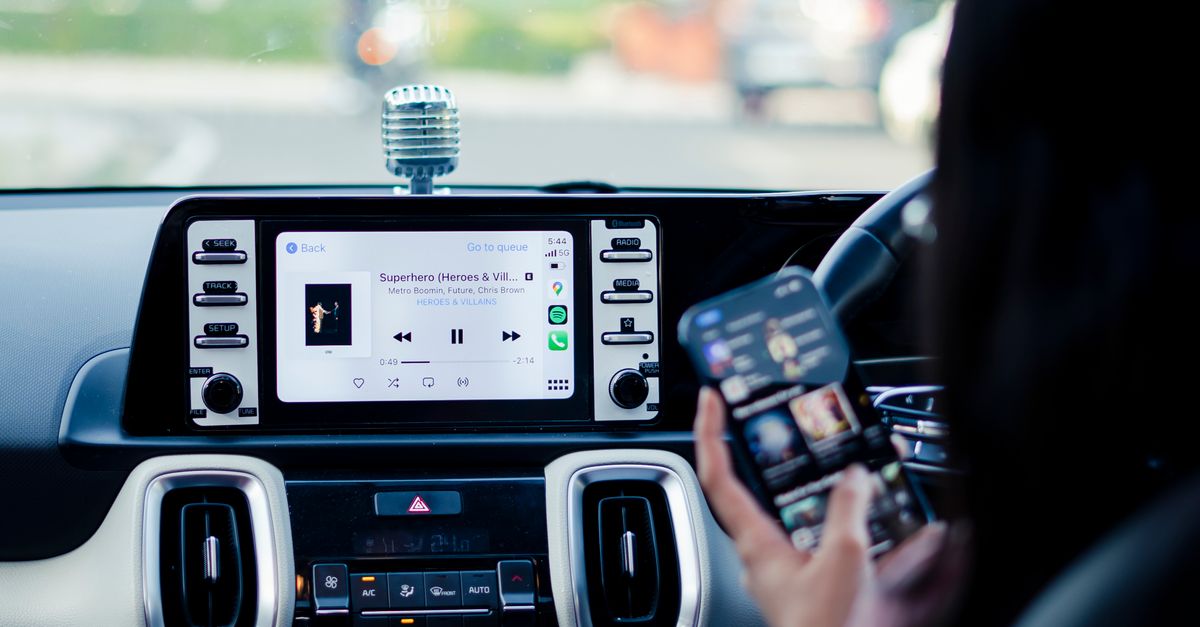
Engadget notes that CarPlay works well out of the box, but drivers can extract a smoother experience by adjusting a handful of settings. The first adjustment involves disabling the “Allow CarPlay While Locked” toggle, which prevents accidental activation when the phone is in a pocket. Turning it off forces users to engage CarPlay deliberately, reducing distractions.
The second tweak changes the default audio source. By setting the iPhone as the primary output, drivers can keep music playing even if the car’s Bluetooth connection drops. Engadget’s guide also recommends enabling “Show Notifications” only for navigation apps, keeping message alerts from cluttering the dashboard. These steps cost nothing but add a layer of predictability that many commuters miss on first use.
Gray tracks on Apple Music aren’t a mystery
A separate Engadget piece explains why some songs appear gray in Apple Music and become unplayable. The gray icon signals that the track is unavailable in the user’s region or has been removed from the catalog due to licensing changes. The article offers three workarounds: first, refresh the library by pulling down on the playlist view; second, sign out and back into the Apple ID to force a sync; third, delete the offending track and re‑add it from the “Recently Added” list.
If the gray status persists, Engadget suggests checking the “iCloud Music Library” toggle. Turning it off and on resets the local cache, often restoring access to songs that were temporarily blocked. While the fix does not guarantee permanent availability—licensing agreements can revoke tracks at any time—it gives users a practical path to recover most lost content.
A broader pattern of post‑sale friction
The Siri settlement, CarPlay tweaks, and Apple Music glitches all point to a recurring theme: Apple’s hardware and software promises sometimes outpace the reality delivered to users. Legal settlements address the monetary fallout, but they do not eliminate the day‑to‑day friction that engineers and power users encounter.
Historically, Apple has settled several class actions related to feature performance, including the 2015 iPhone battery throttling case and the 2022 iPad screen‑burn‑in lawsuit. Each settlement involved a cash payout and a public statement, yet the underlying product concerns often resurfaced in later software updates. The current Siri case follows that script—Apple pays, but the perception of overpromising remains.
Industry analysts note that Apple’s ecosystem complexity amplifies these issues. A single iPhone serves as the hub for CarPlay, Apple Music, HomeKit, and more. When one component falters, the ripple effect can degrade the overall experience. The settlement’s modest per‑device payout reflects the company’s calculation that a cash remedy is cheaper than a systemic redesign of Siri’s integration across iOS.
What to watch next
The Dec 21 claim deadline will be the first metric to gauge how many users feel aggrieved enough to pursue the payout. Simultaneously, Apple’s next iOS release—expected in the fall—should address lingering CarPlay and Apple Music bugs, especially if the company wants to preempt further legal scrutiny. Keep an eye on Apple’s developer notes for any mention of Siri improvements, as those could signal a deeper effort to align marketing claims with functional reality.
Updates
- 2026-10-08 — Apple partners with The King’s Trust on new Creative Labs initiative in the UK (source)
Related Articles
Apple fixes iPhone alarm, tweaks CarPlay, previews iPhone 18
Apple’s iOS update forces alarms to ring at full volume, offers CarPlay disconnect tricks, and previews the iPhone 18 Pro line, while budget accessories ease CarPlay adoption.
Apple layers AI, security and health tools across iOS
Apple adds Meta AI to CarPlay, rolls out Memory Integrity Enforcement, previews smart glasses and backs sleep‑tech f.lux, reshaping its ecosystem.
Apple TV Gets Siri AI in tvOS 27 as Apple expands AI across
A leak shows Siri AI arriving on Apple TV 4K with tvOS 27, joining recent AI upgrades in macOS, iOS, and accessibility tools.