

AWS Adds Biological Computing Tools


Photo by Google DeepMind on Pexels
Biological Computing Goes Cloud
The Biological Computing Company announced that its rat‑brain‑derived AI tools are now available on Amazon Web Services. The move pushes a niche research area into the mainstream cloud ecosystem. The company describes the integration as a “major boost” for a field that tries to marry nature with code.
AWS will host the company’s libraries and runtime environments, allowing developers to call biological models from standard cloud APIs. The offering does not replace silicon‑based inference; it augments existing pipelines with components trained on rat neural tissue. The announcement came without pricing details, but the partnership signals confidence that cloud customers will experiment with biologically inspired models.
Competing Hardware Strategies
Qualcomm unveiled two new smartphone chips that emphasize on‑device AI. Its flagship processor can run a 30 billion‑parameter mixture‑of‑expert model locally, a claim that blurs the line between cloud‑only and edge inference. The specification suggests that Qualcomm expects developers to offload less work to remote servers.
In a parallel effort, AstroForge is preparing a spacecraft called Autonomy‑1 that will carry a small transformer‑based AI model to command a space probe. The probe’s autonomy relies on a model that fits within the spacecraft’s limited power budget, showing that bespoke hardware continues to drive niche AI deployments.
Both announcements illustrate a trend: hardware vendors are betting on more capable on‑device models while cloud providers expand the toolbox for exotic compute, such as rat‑brain neural nets.
Data and Pricing Pressures
Snorkel AI closed a $350 million Series E round, lifting its valuation to $3.5 billion. The funding fuels the company’s data‑as‑service platform, which supplies labeled datasets for training large models. Snorkel’s growth reflects a market hungry for high‑quality training data as model sizes expand.
Anthropic released Opus 5.5 with lower prices and performance that the company calls “the strongest‑performing model we’ve tested to date.” The pricing cut narrows the cost gap that has traditionally separated Anthropic from OpenAI. A concurrent Ars Technica analysis notes that both Anthropic and OpenAI now promise “a little more for a lot less money,” turning model selection into a price‑comparison exercise.
These moves tighten the economics of AI development. As data providers lower barriers and model vendors cut prices, developers can experiment with more ambitious architectures without inflating budgets.
Ethical and Practical Friction
Meta’s recent admission that its Muse assistant was “heavily inspired” by the OpenClaw project adds a layer of controversy. While Meta claims Muse was built from scratch, the acknowledgment of copied workspace filenames and content raises questions about intellectual‑property practices in the fast‑moving AI assistant space.
The biological‑computing push also stirs ethical debate. Using rat neural tissue to train models skirts traditional AI safety frameworks, which focus on software and hardware provenance. Regulators have not yet issued guidance specific to biologically derived models, leaving developers to navigate a gray area of animal‑research ethics and data privacy.
Both incidents underscore a friction point: rapid technical progress outpaces policy and industry norms. Companies must balance innovation with responsible stewardship, or risk backlash that could slow adoption.
What to Watch
Track AWS’s usage metrics for the Biological Computing Company’s tools over the next quarter; rising demand would validate cloud‑first strategies for bio‑AI. Monitor Qualcomm’s chip adoption rates in flagship smartphones, as on‑device inference gains market share. Keep an eye on Snorkel’s next data‑release cycle and Anthropic’s pricing adjustments, which will signal whether cost competition reshapes the model‑selection landscape. Finally, watch for any regulatory proposals addressing biologically derived AI, as they could set the rules of engagement for this emerging sub‑field.
Related Articles
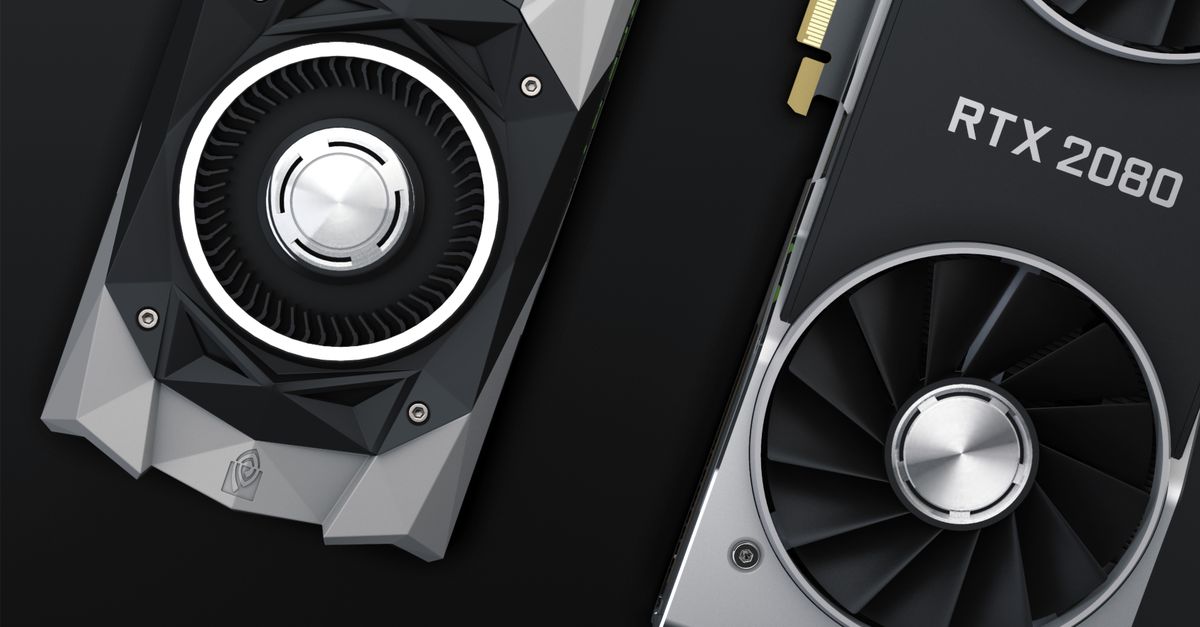
RTX 4090 runs 125B AI model as old AMD cards get Linux boost
A 125‑billion‑parameter model now runs on a consumer RTX 4090, while Valve revives legacy AMD GPUs and industry debates hard budget caps.

AI controversy, YouTube affiliate links, $900M wind‑farm payout
This week’s tech roundup covers a creator’s backlash over AI‑generated content, YouTube’s new Amazon affiliate program, a $900 million wind‑farm settlement, and more.

OpenAI’s hardware tease collides with LinkedIn’s compute freeze
OpenAI hints at a HomePad‑like device while LinkedIn stalls data‑center growth; new research shows AI chatbots out‑trust humans, raising security stakes.