

Waymo Teens, Toyota Robots

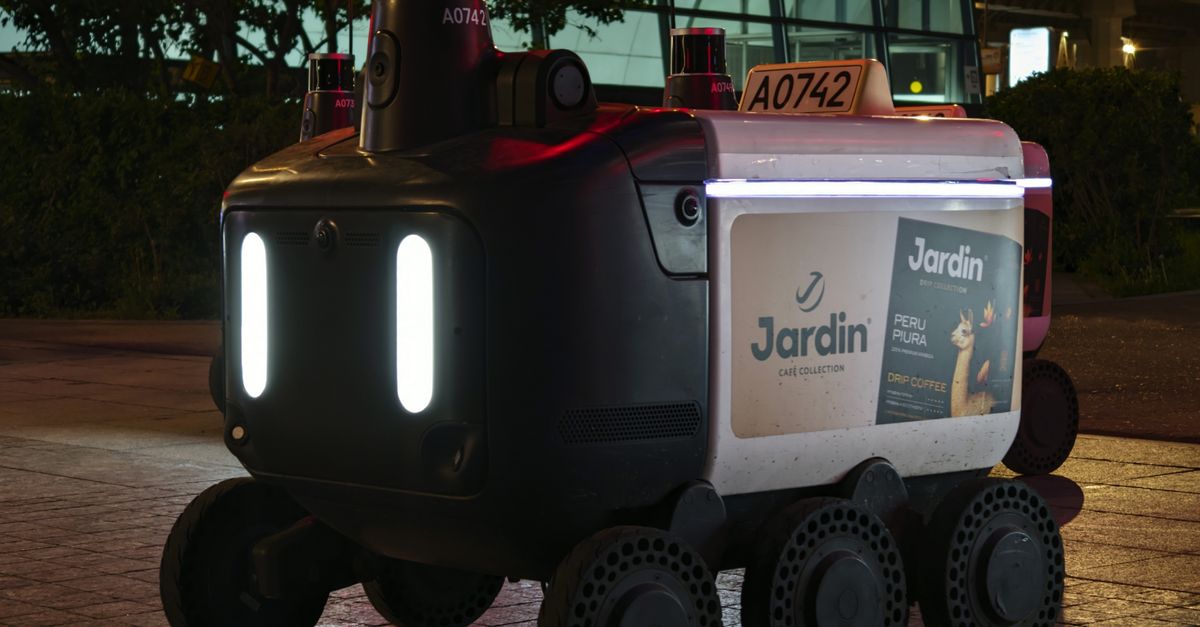
Photo by Vlad Nazarov on Pexels
Waymo Opens Robotaxi Rides to Teens in Nashville
Waymo began offering its driverless rides to passengers aged 13 to 17 in Nashville this week. The move makes Nashville the second city where the company permits minors to use its autonomous fleet, after an earlier pilot in a different market. The service still requires a parent or guardian to create an account and approve each trip. Waymo says the expansion tests how younger riders interact with the technology and whether safety protocols hold up under a broader user base. According to TechCrunch, the company frames the rollout as a data‑gathering exercise rather than a revenue push. Critics note that teenagers may be less risk‑averse than adult passengers, potentially exposing the system to new edge cases. The decision arrives as autonomous vehicle firms scramble for market share. Waymo’s competitors have largely limited their services to adults, citing insurance and liability concerns. By opening the doors to teens, Waymo forces regulators to confront age‑based safety standards that have been vague until now.
Toyota Mandates Worker Training on Humanoid Robots
Toyota announced that its assembly plants will require workers to train newly deployed humanoid robots. The directive came alongside internal communications that emphasized the robots are tools, not replacements for human labor. The automaker’s rollout aligns with a broader industry push to integrate bipedal machines into production lines. Ars Technica reports that Toyota’s move occurs as other manufacturers race to develop and field humanoid robots capable of complex tasks. Toyota explicitly stated that the robots will augment human workers, not displace them. The training program includes hands‑on sessions where line workers program motion sequences and troubleshoot sensor feedback. Management frames the effort as upskilling, but labor groups worry that the skill gap could widen if robot proficiency becomes a hiring criterion. The company has not disclosed how many robots will be installed or the timeline for full deployment.
German Auto Industry Faces Protests Over Job Threats
Protesters gathered outside several German car factories this month, waving signs that warned of imminent job losses. The unrest stems from a mix of Chinese competition and newly imposed US tariffs that have squeezed profit margins for domestic manufacturers. Ars Technica notes that the combination of cheaper Chinese imports and punitive trade measures is reshaping the European auto market. German firms, long reliant on export volumes, now confront a shrinking demand curve and pressure to cut costs. Workers fear that automation, already accelerating in the sector, will accelerate under the weight of external competition. Union leaders demanded government intervention to protect employment and called for stricter trade policies. The protests underscore a growing tension between the need for technological modernization and the social contract that has historically protected German manufacturing jobs.
The Broader Automation‑Labor Tension Across Industries
Waymo’s teen rollout, Toyota’s robot training, and the German protests all illustrate a shifting labor calculus. Autonomous mobility services are expanding user demographics faster than regulatory frameworks can adapt. Meanwhile, manufacturers are betting on humanoid robots to maintain output while headcount remains static. The three cases share a common thread: companies are testing the limits of human‑machine collaboration without fully addressing the downstream workforce impact. In the United States, the regulatory focus has been on safety and liability, leaving employment consequences largely to market forces. In Europe, trade pressures add a layer of urgency that fuels labor backlash. Economists warn that if automation outpaces retraining, a bifurcated labor market could emerge—high‑skill workers who manage robots and low‑skill workers who are displaced. The German protests suggest that unions are prepared to push back, but the efficacy of such actions remains uncertain in a globalized supply chain.
What to Watch
Track how state regulators respond to Waymo’s teen service, especially any age‑based licensing changes. Monitor Toyota’s rollout metrics: the number of robots installed and any shifts in workforce composition at its plants. In Germany, watch for policy proposals aimed at curbing imports or subsidizing domestic production, as well as any collective bargaining outcomes that address automation‑related layoffs. These data points will indicate whether firms can balance technological ambition with labor stability.
Related Articles
Waymo leads Texas AV registrations; startups face lawsuits
Waymo dominates Texas autonomous vehicle registrations while a San Francisco startup battles a lawsuit over Airbnb robot testing, and new visualization and sensor tools reshape robotics.

Robotic Vision and Autonomy Push Past Lab Experiments
Genesis AI and Foxglove showcase breakthroughs in robotics and autonomous systems, while HDR cameras address real-world challenges.
Ouster Unveils Color Lidar to Replace Cameras
Ouster's new color lidar sensor captures depth and image data, potentially replacing cameras in various applications.