

US Wi‑Fi Devices Now Fund an Australian Research Lab

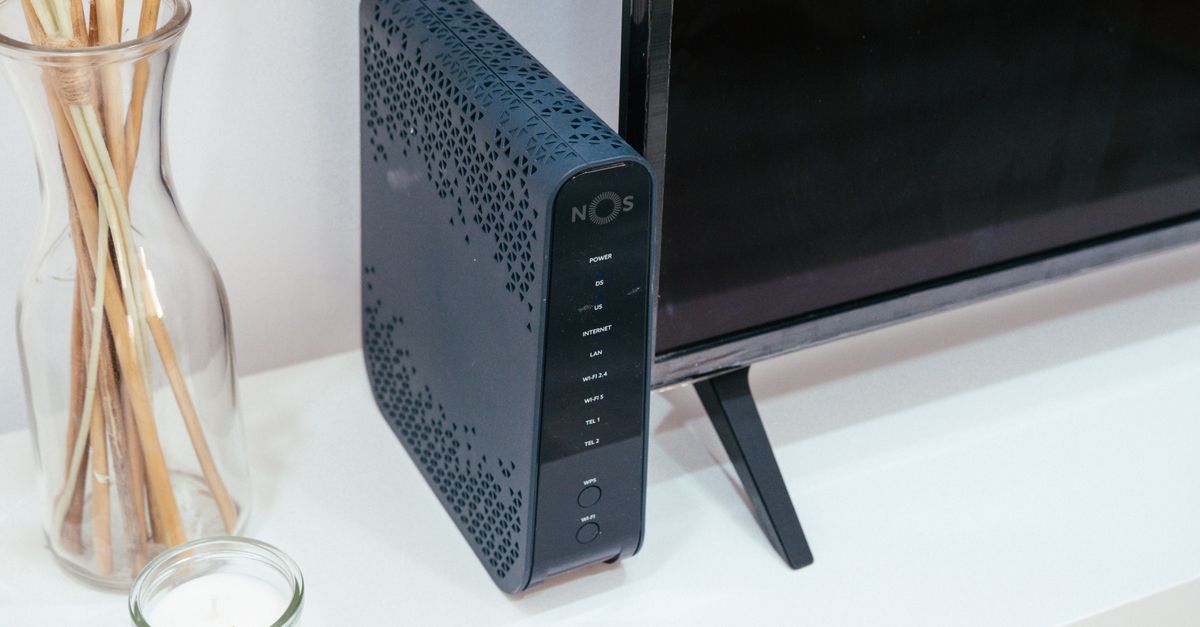
Photo by Jaycee300s on Pexels
US consumers will start paying an Australian research agency for every Wi‑Fi device after CSIRO secured a $229 million settlement. The deal adds to a $205 million payout the Commonwealth Scientific and Industrial Research Organisation received in 2009, and it comes just before a jury trial in Tyler, Texas.
The settlement covers nine firms that make chips and hardware – Broadcom, T‑Mobile, AT&T, Lenovo among them – and it was signed last week to avoid a trial. CSIRO’s lawyers had been poised to argue a $4‑per‑device royalty, a figure that would have been invisible in a $2,000 laptop but noticeable in a $20 router. The final payment is far lower, yet it still tacks on a cost that will be absorbed across the billions of Wi‑Fi products sold each year.
The Settlement Details
The agreement freezes the dispute over patents that CSIRO claims are essential to the Wi‑Fi standards. Those patents trace back to work by astrophysicist John O’Sullivan in the late 1990s, when he was tasked with building a high‑speed wireless network. CSIRO has argued that any device that talks to a wireless router infringes on its intellectual property.
In 2005 the lab launched a litigation campaign that eventually grew into a decade‑long push against U.S. manufacturers. The $229 million payout is the latest chapter, following a $205 million settlement in 2009 that involved 14 companies. Both deals were struck just before juries were set to hear the cases, suggesting the defendants preferred a predictable outlay to the risk of a larger verdict.
How the Royalties Flow to Australian Taxpayers
CSIRO is a government‑funded research body, much like the U.S. National Institutes of Health. Its budget comes largely from Australian taxpayers, and the settlement money will be funneled back into its labs. With 6,400 staff across 55 sites, the organization tackles everything from food security to mineral science.
The settlement does not change the price tag you see on a laptop or router. Instead, the cost is baked into the supply chain – component makers, OEMs, and distributors each absorb a slice. Over the roughly 700 million Wi‑Fi‑enabled devices shipped in 2011, a $4 royalty would have added billions to the market. The actual settlement is a fraction of that, but the principle remains: every packet you send now carries a small tax to an Australian lab.
CSIRO’s Patent Campaign: A Decade in the Making
When CSIRO first filed its patents, it considered suing under the name “Government of Australia.” A diplomatic cable later revealed the agency thought that would be “too provocative.” It also weighed a case at the U.S. International Trade Commission, which could have blocked imports, but deemed that “too drastic.”
Instead, CSIRO opted for a more measured approach: demand a modest per‑device fee and use the threat of litigation to extract settlements. The $4‑per‑device opening figure was never meant to be the final number; it was a bargaining chip. The strategy paid off, delivering two multi‑hundred‑million‑dollar payouts and cementing CSIRO’s reputation as a savvy patent litigant.
Implications for US Device Makers and Consumers
For manufacturers, the settlement removes the uncertainty of a looming trial. They can now plan product costs without fearing a surprise judgment. The downside is a modest increase in component prices, which will ripple through to consumers. The effect is most visible in low‑margin devices like cheap routers, where a few cents per unit can erode profitability.
Consumers, meanwhile, will never see a line item for “Australian royalty” on their receipts. The cost will be spread across the ecosystem, hidden in the price of the device. That opacity makes it harder to hold any single company accountable, but it also means the market absorbs the fee without a dramatic price shock.
What to Watch
The next flashpoint will be how CSIRO enforces the settlement. If the lab seeks additional royalties for future Wi‑Fi standards – such as Wi‑Fi 6E or upcoming 7 – manufacturers may face fresh negotiations. Watch for any filing of new patents or amendments to existing ones, and for any attempts to bring the dispute before the International Trade Commission. Those moves could reignite the debate over whether patent licensing should be handled through private settlements or a more transparent, regulatory process.
Keep an eye on the U.S. International Trade Commission’s docket and on CSIRO’s annual reports. If the organization starts bundling its Wi‑Fi patents with other technology patents, we could see a new wave of licensing demands that will again ripple through the consumer market.
Updates
- 2026-09-30 — Range Rover Sport Electric: Price, Specs, Availability (source)
Related Articles
Bitchat ban, gaming routers and gadget clutter
India blocks Jack Dorsey’s Bitchat while gaming routers and USB clutter reveal why sleek gadgets often miss real network and privacy needs.
WhatsApp adds up to five third‑party AI agents
WhatsApp will let users chat with up to five external AI agents, sparking new automation possibilities and reviving patent‑law concerns.
Wi‑Fi 8 shifts focus from raw speed to reliability
Wi‑Fi 8 abandons the speed race, targeting steadier connections and forcing network tools to adapt.