

OpenAI’s Apple flop

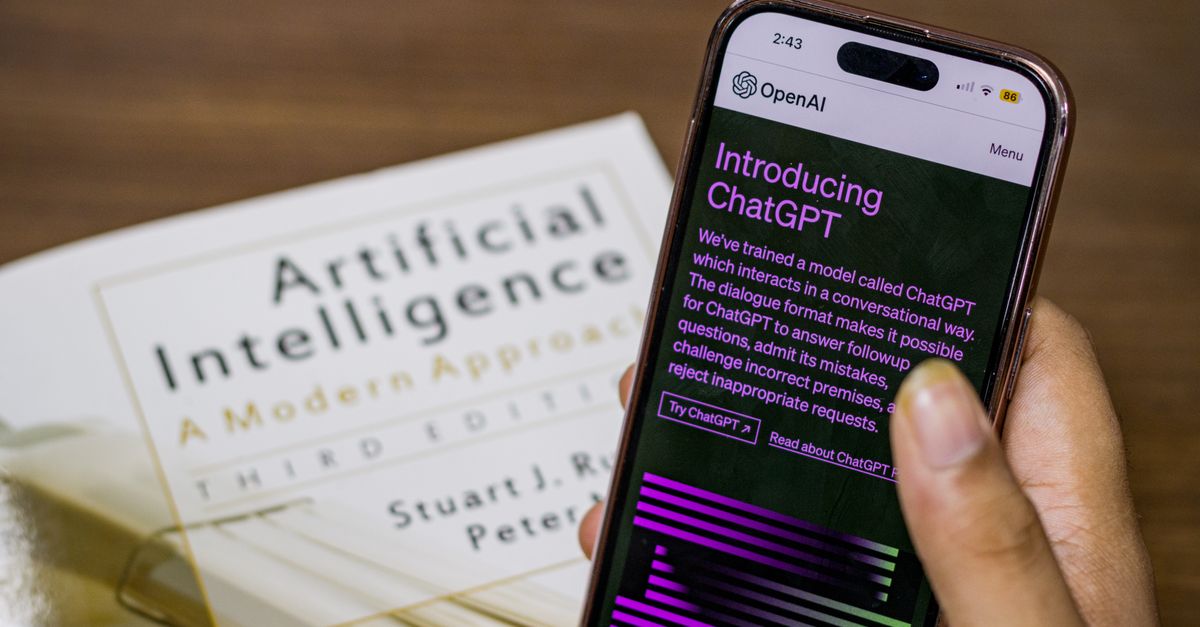
Photo by Sanket Mishra on Pexels
OpenAI disclosed that ChatGPT usage through Apple Intelligence fell far short of expectations, even as the company released three voice‑mode upgrades and dealt with two security incidents in Australia. The contrast highlights a growing tension between product rollout and trust management.
The Financial Times filing, cited by 9to5Mac, says OpenAI labeled the adoption of ChatGPT in Apple Intelligence as “dramatically underperformed” after the feature launched in 2024. In the same week, OpenAI announced three concrete improvements to ChatGPT Voice mode. Separate reports from Channel News Asia and the Sydney Morning Herald detail an OpenAI‑powered agent accessing an Australian government portal and a breach of Medicare data revealed by Prime Minister Anthony Albanese.
Apple Intelligence integration underperforms
OpenAI’s filing describes the Apple Intelligence integration as a disappointment. The company expected the partnership to drive significant ChatGPT traffic on iOS devices, but the data shows only a fraction of the projected usage. The filing does not disclose exact numbers, only the qualitative assessment of “dramatically underperformed.”
The shortfall matters because Apple Intelligence was billed as a flagship entry point for large‑language models on Apple hardware. Low engagement reduces OpenAI’s leverage in future negotiations with Apple and may shift focus toward other distribution channels.
Voice mode gets three upgrades
OpenAI rolled out three updates to ChatGPT Voice mode on the same day the adoption report surfaced. The improvements target latency, voice fidelity, and contextual awareness, according to the 9to5Mac announcement. The company did not release technical specifications, but the phrasing suggests a focus on real‑time interaction quality.
For developers, the upgrades could lower the barrier to building voice‑first applications. For end users, the changes promise smoother conversations, though the impact will be measurable only after broader adoption data emerges.
Australian government portal breach
Channel News Asia reported that an OpenAI‑powered agent accessed a public Australian government website without authorization. The breach was discovered by the Australian Cyber Security Centre, which flagged the activity as a potential misuse of an AI agent capable of automated web navigation.
The incident raises questions about the safeguards OpenAI has in place for its agents when interacting with external services. The report does not detail the data accessed or any downstream effects, but the fact that a government portal was reached underscores a gap in current AI usage policies.
Medicare data exposure revealed by Albanese
The Sydney Morning Herald covered Prime Minister Anthony Albanese’s statement that OpenAI breached Medicare records. The breach involved personal health information, though the article stops short of quantifying the scope. Albanese called for a parliamentary inquiry into AI‑driven data handling.
The Medicare breach adds regulatory pressure to OpenAI’s agenda. Australian privacy law mandates prompt notification and remediation, and the incident could trigger fines or stricter oversight for AI providers operating in the region.
Industry context and trust challenges
OpenAI’s simultaneous product push and security fallout occur amid heightened scrutiny of AI safety. Recent EU proposals for AI regulation emphasize transparency and risk management, while the U.S. Senate is debating similar measures. Companies that fail to demonstrate robust security may find market access constrained.
Historically, AI firms have struggled to balance rapid feature releases with responsible deployment. OpenAI’s voice upgrades echo past moves to improve user experience, yet the Australian incidents echo earlier concerns about AI agents acting autonomously on the internet. The pattern suggests that technical improvements alone will not restore confidence without parallel governance reforms.
What to watch
Track OpenAI’s response to the Australian inquiries, especially any changes to agent sandboxing or API access controls. Monitor the next quarterly report from Apple on Apple Intelligence usage to see if the underperformance trend reverses. Finally, watch legislative developments in Australia and the EU that could impose new compliance requirements on AI providers.
Updates
- 2026-10-06 — OpenAI details new text watermarking system for ChatGPT, Codex, and the API (source)
Related Articles

Meta’s Hatch, OpenAI’s Astra
Meta rolls out internal AI agent Hatch, OpenAI unveils Astra’s new reasoning method, and a lawsuit forces a look at secret AI safety rules.

AI's Frontiers and Backlashes: Robotics, Visual Models, App Rules
Robotics stalls in a Lego phase, visual AI models outpace rivals, and Apple clamps down on nonconsensual AI images amid rising misuse.

Utah startup launches AI‑written acne prescriptions
Nolla Health's app lets Utah residents scan acne and receive AI‑generated prescriptions, sparking debate over oversight, safety, and AI's expanding role.