

Apple AI controls, AirPod fixes, and a revenue shift

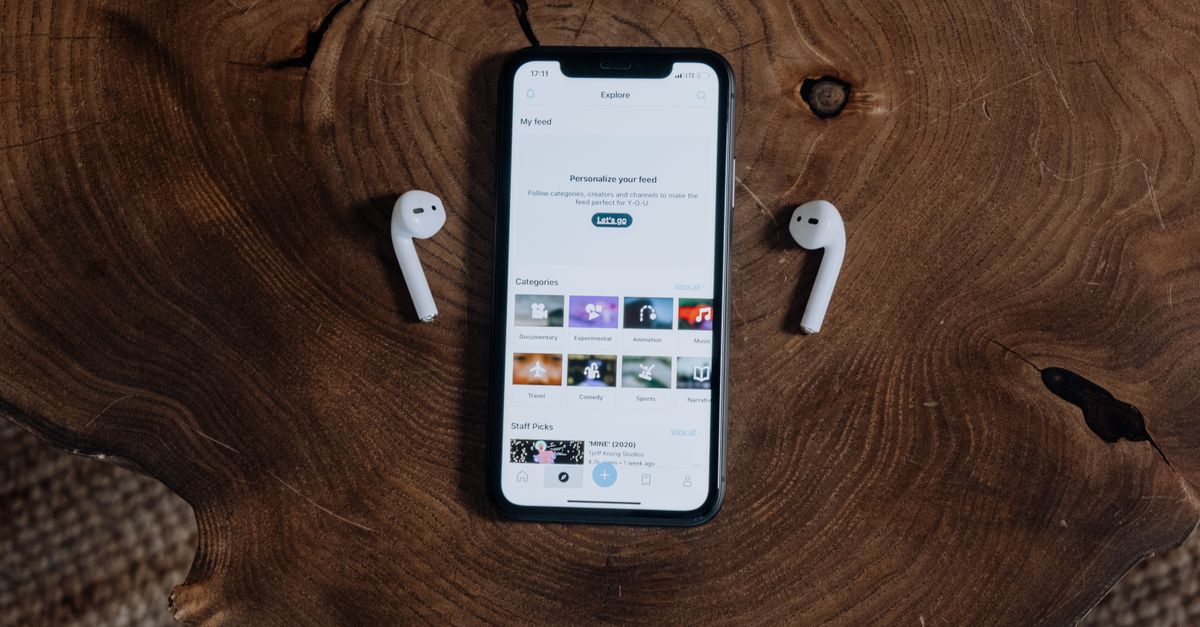
Photo by cottonbro studio on Pexels
Apple lets iPhone owners turn off on‑device AI
Apple now lets iPhone owners turn off its on‑device AI features. The control appears in the Settings menu and covers Apple Intelligence, Siri, and related models. Users who prefer a leaner experience can pull the switch without jailbreaking. The option arrives as Apple expands large language models into native apps.
The move counters a growing perception that AI runs unchecked on the device. Engadget notes that iPhone users have “a lot of control” over AI. Control includes disabling voice prompts, stopping background inference, and limiting data sharing. For power users, the toggle reduces battery drain and prevents accidental prompts. The trade‑off is a loss of context‑aware shortcuts that Apple markets as productivity boosters.
One AirPod out, audio down: how to fix it
If only one AirPod stops working, Apple outlines several troubleshooting steps. The first step is to place both buds back in the case and let them charge for a minute. A second step is to reset the Bluetooth connection from the iPhone’s settings.
A third step is to force‑reset the AirPods by holding the case button for fifteen seconds. After the reset, the user re‑pairs the buds as a new device. Engadget reports that these options can restore audio to the faulty earbud. The guide does not guarantee success, but most users report a return to full stereo output.
A fourth option is to contact Apple Support if the hardware fails the self‑test. The support line can arrange a replacement under warranty. The troubleshooting flow saves a trip to the store for many owners.
Critics call recent Apple hardware “barely innovative”
Mark Gurman tweeted on September 11, 2019 that Apple’s latest event delivered “the smallest Watch update ever, an iPad with a slightly bigger screen and nothing more.” He added that iPhones now have cameras equal to or weaker than many competitors. Gurman’s assessment reflects a broader fatigue with incremental releases.
Farhad Manjoo echoed a similar sentiment in 2016, writing that Apple had “squandered its once‑commanding lead in hardware and software design.” Manjoo noted that the iPhone 7 and Series 2 Apple Watch looked “pretty much the same as the old ones.” The criticism focused on design stagnation rather than performance metrics.
Both critics agree that Apple’s hardware cadence lacks the breakthrough moments that once defined the brand. The consensus is that Apple’s strength now lies elsewhere.
Wearables and services drive revenue while hardware stalls
Apple’s financial reports show that the Wearables, Home and Accessories segment grew from $11.8 billion to $22.2 billion over a three‑year span. That represents a near‑doubling of revenue. The segment is dominated by the Apple Watch and AirPods.
During the same period, Services revenue rose from $23.1 billion to $43.8 billion, an 89 % increase versus an 88 % rise in wearables. Services include the App Store, iCloud, Apple Music, and Apple TV+. The parallel growth suggests that Apple’s ecosystem is compensating for slower hardware innovation.
The numbers imply that Apple’s strategic focus has shifted toward recurring revenue streams. The company can leverage its large installed base to sell subscriptions and accessories without relying on headline‑grabbing devices.
What to watch: AI integration and the next hardware push
The next iPhone keynote will reveal whether Apple expands AI toggles into new apps or retreats from on‑device models. Analysts will track the adoption rate of the Apple Intelligence switch. A low adoption rate could signal that users value convenience over privacy.
Watch for any hardware announcement that moves beyond incremental screen size or camera tweaks. An always‑on Apple Watch with cellular, a new health sensor, or a substantial redesign would address the criticism from Gurman and Manjoo. The market will also monitor Services revenue growth as a barometer of Apple’s long‑term profitability.
The tension between user‑controlled AI, hardware perception, and revenue diversification defines Apple’s current crossroads. The next product cycle will reveal which side of the equation the company leans toward.
Updates
- 2026-10-19 — Apple teases MacBook Pro event next week (source)
Related Articles

Googlebook challenges Apple’s retail play as Mac Studio prices
Google’s $899 AI‑native laptop and Apple’s store‑first philosophy clash amid rising component costs and AI‑driven hardware bets.
New hardware quirks ring note‑taker AI feeder retro upgrades
A ring‑sized note taker, AI‑driven cat feeder, free retro‑handheld upgrades, E Ink tablets, and Android UI tweaks illustrate niche hardware shifts.
Apple hikes iPhone prices while rolling out foldable and AI
Apple raises older iPhone prices, adds iPhone Duo developer tools, launches Siri AI in English, and unveils Watch Series 12 health sensors.