

Samsung cuts Galaxy output 30% and admits zero profit


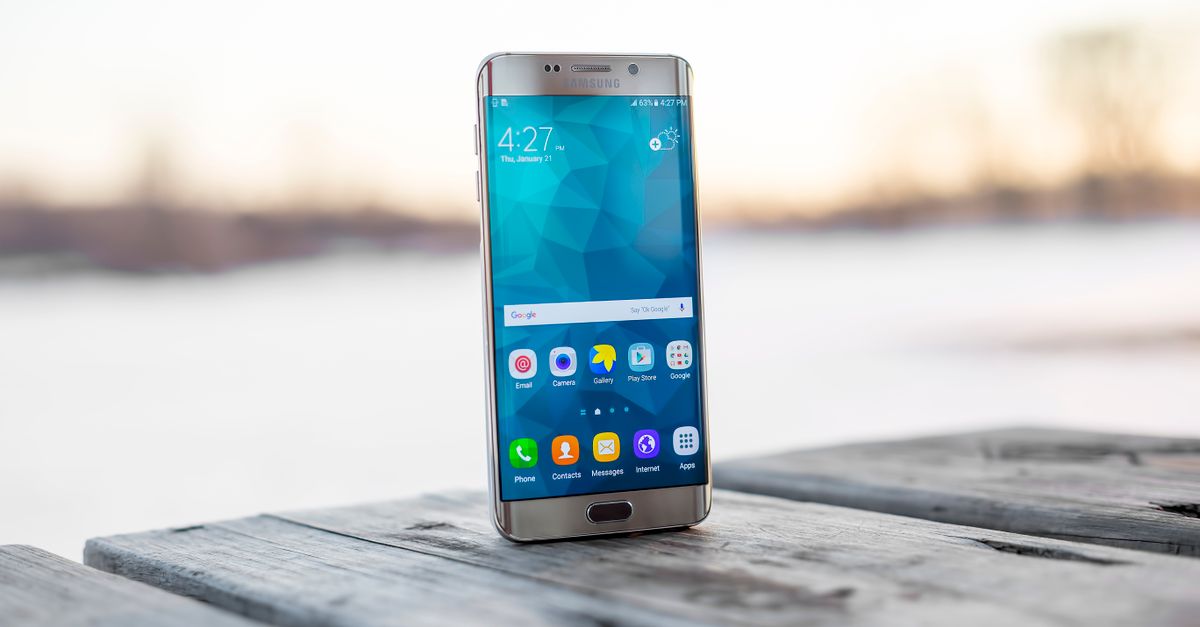
Photo by Frans van Heerden on Pexels
Samsung slashes Galaxy output, admits zero profit
Samsung announced it will curb Galaxy smartphone production by as much as 30% through the end of 2026. The move follows an internal report that the flagship line yields no profit at all.12345678
The report, cited by 9to5Google, says the cut will affect all mid‑range and premium Galaxy models. Samsung has not disclosed which factories will see reduced output, but the figure suggests a sizeable scale‑back. The company has historically relied on volume to offset thin margins, so a zero‑profit verdict signals a structural issue.
Analysts point to rising component costs and fierce competition from Apple and Chinese rivals as likely drivers. Samsung’s own chip division faces supply bottlenecks, pushing bill‑of‑materials higher. When a product stops contributing to the bottom line, the rational response is to produce less and focus on higher‑margin segments.
The decision also raises questions about Samsung’s roadmap for future devices. If the Galaxy line can no longer sustain profit, the firm may accelerate its push into foldable phones, wearables, and services. Those areas already show healthier returns.1
Promotions battle: Note 8 freebies and BOGO offers
T‑Mobile rolled out a buy‑one‑get‑one deal for the Galaxy Note 8 that eclipses most carrier incentives. Subscribers who add a new line receive a second handset—either a Note 8, Galaxy S8+, or Galaxy S8—at no extra cost.
To qualify, customers must sign up for a T‑Mobile One or Simple Choice Unlimited plan, finance both phones through an equipment installment plan, and enter promo code 17SAMN8BOGO in the Promotions Center. Once approved, Samsung reimburses the second device with a prepaid MasterCard.
The promotion comes with a bundle of freebies that Samsung offers across carriers. Buyers can choose a Gear 360 camera valued at $229.99 or a wireless fast charger plus a 128 GB microSD card worth $189.98. Retailers such as Best Buy add further discounts, but T‑Mobile’s BOGO appears the most aggressive.
A separate press release from AT&T claimed it would launch the Nokia Lumia 920 and Samsung Galaxy Note II on October 21. The same document, however, spends the bulk of its space describing the Note 8 promotion. The mismatch suggests a copy‑and‑paste error or a misaligned marketing push. Readers should treat the AT&T launch claim with caution until the carrier confirms the devices.
These layered incentives illustrate how carriers and Samsung are trying to shift inventory in a market where demand for premium Android phones is softening. The BOGO deal effectively halves the effective price of a flagship, but it also locks customers into long‑term contracts.
Leaked over‑ear headphones hint at diversification
A fresh leak points to Samsung’s upcoming over‑ear headphones being called “Galaxy Studio.” The name aligns with the company’s branding for audio accessories, but the product itself remains unconfirmed.
If the headphones materialize, they will join a crowded market dominated by Sony, Bose, and Apple’s AirPods Max. Samsung’s strength lies in integrating audio with its ecosystem, such as seamless Bluetooth handoff to Galaxy phones and wearables.
The leak did not reveal specifications, pricing, or launch timing. Without those details, it is unclear whether the Studio will target audiophiles or casual listeners. Samsung’s recent focus on premium audio could be a hedge against slowing phone margins.
Industry context: Samsung’s profit squeeze and supply chain shifts
The zero‑profit revelation for Galaxy phones fits a broader pattern of tightening margins across the smartphone sector. Component shortages, especially for advanced displays and memory, have driven up costs for all manufacturers.1234567
Apple continues to command premium pricing, leaving Android OEMs to compete on volume. Samsung’s market share in the high‑end segment has slipped in recent quarters, while Chinese rivals undercut on price.
Supply‑chain adjustments are now commonplace. Companies are diversifying factories across Vietnam, India, and Brazil to mitigate geopolitical risk. Samsung’s decision to cut output may also reflect a strategic reallocation of wafer capacity to its memory business, which remains a profit engine.2
Historically, Samsung’s Galaxy line has been a cash cow, subsidizing investments in new form factors like foldables. The current profit outlook suggests those subsidies may no longer be viable. If Samsung continues to trim volume, rivals could capture the remaining market share, especially in emerging economies where price sensitivity is high.1235
What to watch
The next quarterly earnings report will reveal whether the production cut translates into improved margins. Investors should track Samsung’s inventory levels, especially in South‑Korea and Vietnam, and watch for any official statements on the Galaxy Studio headphones. The fate of the Note 8 BOGO promotion—whether carriers extend it or phase it out—will also signal how aggressively Samsung is defending its smartphone foothold.
Footnotes
Related Articles

Motorola hints at wider Razr Fold as Apple rolls out iPhone Duo
Motorola teases a broader Razr Fold amid Apple’s iPhone Duo launch, sparking pricing wars and raising questions about the next foldable frontier.
Samsung’s fragmented Galaxy lineup faces design split
Leaks reveal the S27’s broken design language, the budget‑friendly A33 specs, and Samsung’s admission that passwords linger in plaintext on its devices.
Motorola ends Amazon app hijack
Motorola ends unintended Amazon app hijacking, Pixel shipments fall 7%, and new adapters promise true wired internet without cables.