

Apple's OLED MacBook Pro, AT&T iPhone Fix, and DarkSword Threat

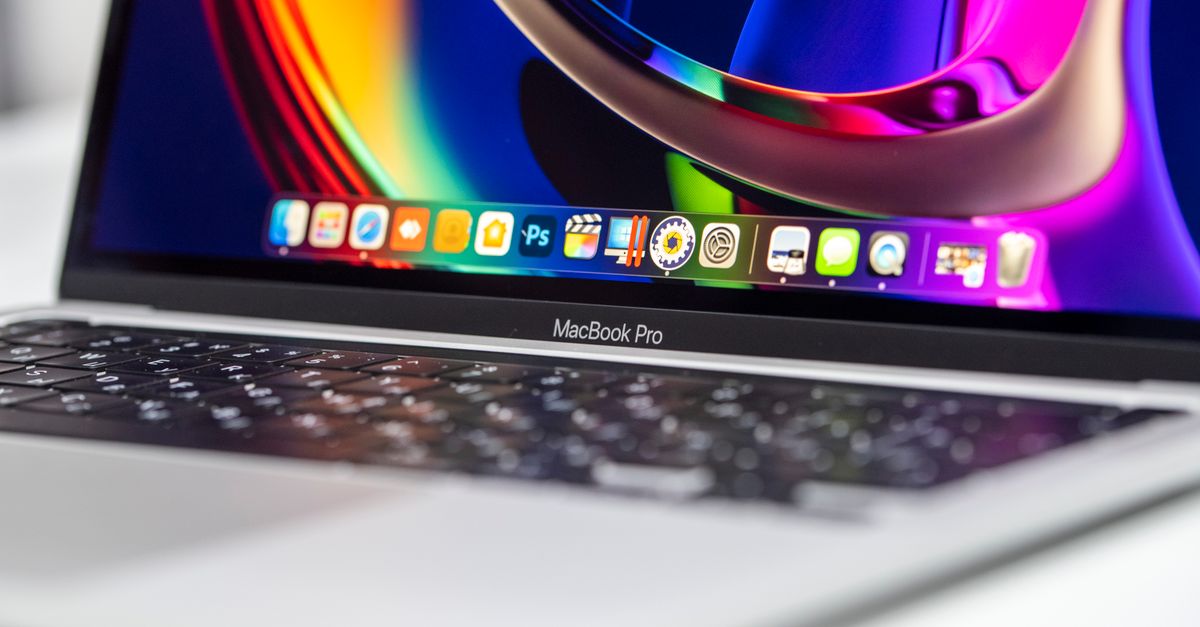
Photo by Aleksey Zemlyanoy on Pexels
Apple’s upcoming MacBook Pro will drive a 50% jump in OLED notebook display shipments in 2026. The same week Apple released an AT&T carrier bundle for iPhone 18 Pro Max on iOS 27.2 beta, and researchers disclosed a new DarkSword spyware variant that still hits unpatched iPhones.
Counterpoint Research predicts the OLED‑enabled MacBook Pro will lift notebook OLED shipments by half next year. The forecast comes from a report that isolates the MacBook Pro as the primary catalyst. Apple rolled out a carrier settings update last week to fix cellular dropouts on AT&T‑linked iPhone 18 Pro Max units. The new bundle arrives only on devices running the iOS 27.2 beta channel. iVerify published a technical brief on P7 DarkSword, the latest iteration of the DarkSword exploit chain uncovered earlier in the year. The brief warns that any iPhone that has not applied the latest security patches remains vulnerable.
OLED MacBook Pro reshapes notebook display supply
Apple’s next‑generation MacBook Pro will feature an OLED panel across all size variants. The move replaces the long‑standing mini‑LED panel that debuted two generations ago. OLED brings higher contrast ratios and deeper blacks than mini‑LED. Apple has not disclosed the exact panel supplier, but industry analysts expect a mix of LG Display and Samsung Display to fill the order book.
Counterpoint’s model assumes the MacBook Pro accounts for roughly 30% of all high‑end notebook sales. The report multiplies that share by the OLED adoption rate to reach a 50% increase in overall OLED notebook shipments for 2026. The projection does not include potential OLED entries from Dell, HP, or Lenovo, which could further amplify the effect. The supply chain will need to scale panel output, wafer capacity, and back‑plane manufacturing to meet the surge.
The shift also pressures component vendors to tighten yield targets. OLED panels suffer higher defect rates than LCDs, especially at the 14‑inch and 16‑inch form factors Apple favors. Suppliers will likely invest in larger substrate equipment to improve uniformity. Apple’s design team will have to accommodate the different power envelope of OLED, which can affect battery life calculations.
AT&T carrier bundle lands on iOS 27.2 beta
Apple issued a new carrier settings bundle for iPhone 18 Pro Max devices that run the iOS 27.2 beta. The bundle targets AT&T customers who reported intermittent LTE and 5G connectivity drops after the previous carrier update. The earlier update arrived as a standalone settings package last week.
The beta‑only rollout suggests Apple is still testing the fix on a limited user base. Devices on the public iOS 27.1 release do not receive the bundle. AT&T has not released a public statement about the issue, but internal logs show a spike in dropped calls and failed data sessions among iPhone 18 Pro Max units in the first two weeks of the iOS 27.1 rollout.
Apple’s carrier settings updates are delivered over‑the‑air and do not require a full iOS reinstall. The process writes new APN, carrier bundle, and radio configuration files to the device. The iOS 27.2 beta includes a revised radio firmware that re‑maps certain frequency bands for AT&T’s spectrum holdings. Early testers report restored 5G throughput and stable voice calls after applying the bundle.
DarkSword variant P7 resurfaces on unpatched iPhones
iVerify released a technical analysis of P7 DarkSword, a new variant of the DarkSword spyware family. The report confirms that P7 exploits the same kernel‑level privilege escalation discovered in earlier DarkSword samples. The exploit chain remains functional on iOS versions that have not received the most recent security patch.
P7 adds a new persistence mechanism that writes a hidden launch daemon to /Library/LaunchDaemons. The daemon re‑injects the malicious payload after each reboot. The payload can exfiltrate contacts, messages, and location data to a command‑and‑control server. iVerify did not disclose the IP addresses of the servers, citing ongoing investigations.
The researchers note that the variant appears in the wild only on devices that missed the iOS 27.1 security update. Apple’s release notes for iOS 27.1 list a fix for a kernel memory corruption bug that the original DarkSword chain leveraged. Devices that stay on iOS 27.0 or earlier remain exposed.
iVerify recommends immediate installation of iOS 27.1 for all iPhone users, regardless of carrier. The advisory also advises enterprises to enforce mandatory update policies on managed devices. Failure to patch could allow attackers to maintain footholds on high‑value targets for months.
Industry context: hardware upgrades, firmware hygiene, and threat evolution
Apple’s OLED MacBook Pro launch coincides with a broader industry push toward thin‑and‑light OLED notebooks. Competitors have announced OLED prototypes, but none have reached mass production. The supply‑chain ripple effect will likely touch display fabs, back‑plane manufacturers, and logistics providers.
At the same time, Apple’s carrier‑settings cadence illustrates the complexity of maintaining radio firmware across multiple carriers and iOS versions. The iOS 27.2 beta bundle shows that Apple still relies on incremental patches rather than a monolithic radio stack. This incremental approach can create windows where specific carrier configurations lag behind the main OS release.
The DarkSword P7 discovery underscores the persistence of iOS‑focused espionage tools. Even as Apple tightens its code‑signing and sandboxing, attackers continue to find kernel bugs that survive across iOS releases. The fact that the variant only affects unpatched devices highlights the security trade‑off between rapid feature releases and timely patch adoption.
Together, these three stories reveal a tension between hardware innovation, software maintenance, and security hygiene. OLED adoption drives component demand, but also forces tighter tolerances in manufacturing. Carrier updates aim to preserve connectivity, yet they add another layer of software that must be kept in sync. Malware developers exploit the lag between hardware rollout and software patching.
What to watch
Track Apple’s official OLED MacBook Pro announcement later this year for exact panel supplier names and pricing tiers. Monitor AT&T’s network status reports for any resurgence of iPhone 18 Pro Max connectivity complaints after the iOS 27.2 beta bundle matures. Follow iVerify’s threat intel feeds for any new DarkSword variants that may target devices on iOS 27.2 or later. The convergence of display technology, carrier firmware, and mobile spyware will shape the risk landscape for power users throughout 2025 and beyond.
Related Articles
Apple patches Mac shutdown bug, iPhone Ultra vapor chamber leak
Apple releases macOS 26.5.1 to stop M5 Mac shutdowns, while a leak reveals an iPhone Ultra vapor chamber and holiday deals hit M5 laptops and AirPods.

Apple Expands Wallet Keys, Moves iPhone Duo Dates
Apple widens CarKey support to GM brands, advances iPhone Duo deliveries, and teases a touchscreen MacBook, reshaping its ecosystem.
Apple’s $2,000 iPhone Duo sells out before 2027
Apple’s first folding iPhone launched at $2,000, immediately sold out and left most buyers waiting until 2027, while iOS 27.2 and HomePod updates add modest software polish.