

Apple accelerates entry‑level MacBook Pro redesign and retires

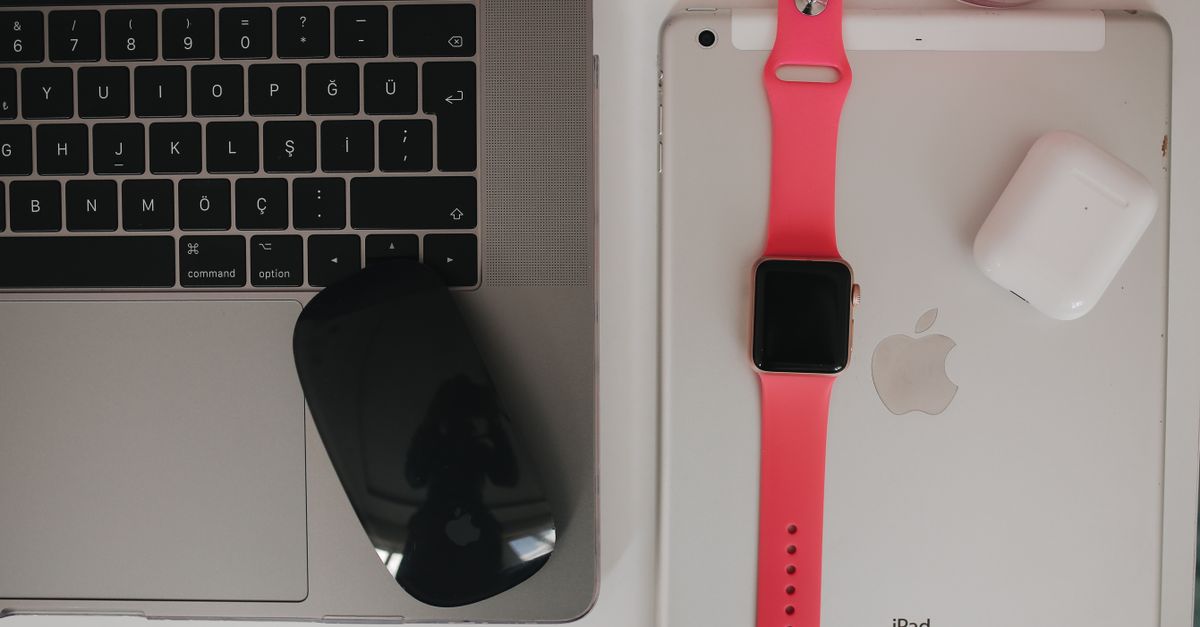
Early entry‑level MacBook Pro redesign
Apple will ship an M7‑powered entry‑level MacBook Pro in spring 2027, according to Bloomberg’s Mark Gurman. The chip replaces the M2 baseline and brings the upcoming chassis refresh to the low‑end tier, a move that was not on the roadmap until now.
The redesign mirrors the 2023‑2024 pro models: flatter edges, a larger display, and a re‑engineered keyboard. Historically, Apple kept the entry line on the older chassis to protect margins. By extending the redesign, Apple forces the entire MacBook lineup into a single manufacturing line. The shift could lower component variance but also raises the price floor for students and hobbyists.
Analysts note that the M7 chip promises a 15% performance uplift over the M2, based on Apple’s own silicon roadmaps. If the performance gains translate to real‑world workloads, the entry‑level Pro could cannibalize the current Air market. The risk is that the price increase may push price‑sensitive buyers toward Windows alternatives.
Remote AppleCare log collection eases IT management
Apple introduced a remote AppleCare log collection feature in this year’s macOS 27 update. The tool pulls diagnostic logs from managed devices without on‑site access, a capability highlighted by Mosyle in its Apple @ Work promotion.
IT admins can now trigger log uploads from the MDM console and receive them in Apple’s support portal. The feature reduces mean‑time‑to‑resolution for hardware faults, especially in large enterprises with thousands of Macs. Mosyle claims over 45,000 organizations use its unified platform, but the statement lacks independent verification.
The update arrives alongside other incremental IT improvements, yet its impact is limited to organizations that have already adopted Apple @ Work. Smaller teams may see little benefit, as the feature requires an MDM profile and a paid AppleCare agreement.
Apple Watch Edition declared obsolete
WatchOS 5 dropped support for the original Apple Watch Edition models released in 2015. Those gold and rose‑gold watches, priced at $10,000‑$17,000, are now unable to run the latest OS.
Apple’s press notes say the first‑generation watches will continue to function with their existing software, but they will not receive any further updates. The decision ends the notion that the Edition watches would last “generations.” The current Edition line has switched to ceramic cases and starts at $1,299, roughly a tenth of the original price tag.
The move forces owners of the legacy watches to accept a reduced feature set or replace the device. Developers must now maintain compatibility with three hardware generations instead of four, simplifying code paths but limiting the market for high‑end watch apps.
App Store policy tightening for iOS 7 and pricing
Effective February 1, Apple will require all new apps and updates to be built with Xcode 5 and optimized for iOS 7. The rule aligns the App Store with the latest SDK and forces developers to adopt newer UI guidelines.
In parallel, Apple announced price and tax adjustments for the Benin, Colombia, Tajikistan, and Türkiye storefronts on February 13. The changes reflect new VAT rates and exchange‑rate updates sourced from public financial data. Prices for auto‑renewable subscriptions remain unchanged, but base‑price storefronts will see their listed prices shift to maintain parity.
These policy shifts tighten Apple’s control over the ecosystem. Developers targeting legacy devices must either maintain separate build pipelines or drop support entirely. The pricing updates could affect revenue streams for developers with significant sales in the affected regions.
What to watch
The entry‑level MacBook Pro redesign will be the first hardware signal of Apple’s broader silicon strategy for 2027. Watch for the official M7 specifications at the WWDC keynote and the pricing tier Apple assigns to the new Pro. Monitor adoption rates of remote AppleCare log collection in enterprise environments, especially after the next quarterly earnings call. Finally, track developer responses to the iOS 7 build requirement and the impact of the February 13 price adjustments on global App Store revenue.
Related Articles
Apple patches Mac shutdown bug, iPhone Ultra vapor chamber leak
Apple releases macOS 26.5.1 to stop M5 Mac shutdowns, while a leak reveals an iPhone Ultra vapor chamber and holiday deals hit M5 laptops and AirPods.

Apple Expands Wallet Keys, Moves iPhone Duo Dates
Apple widens CarKey support to GM brands, advances iPhone Duo deliveries, and teases a touchscreen MacBook, reshaping its ecosystem.

Apple's Fall Rollout Redefines Phones, Macs, and Photos
iOS 27 revamps Shared Albums, Samsung supplies iPhone Duo’s foldable screen, and Apple lines up a touchscreen MacBook Pro and OLED iPad mini for October.